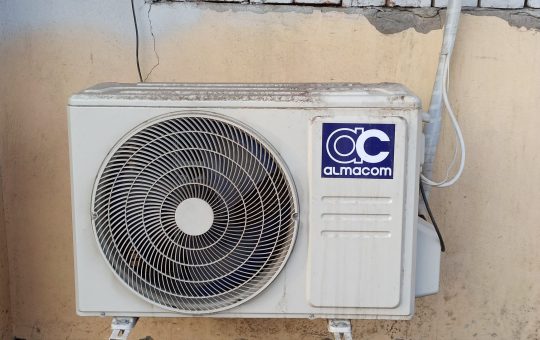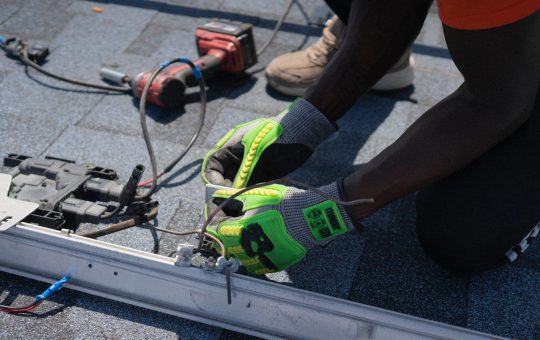
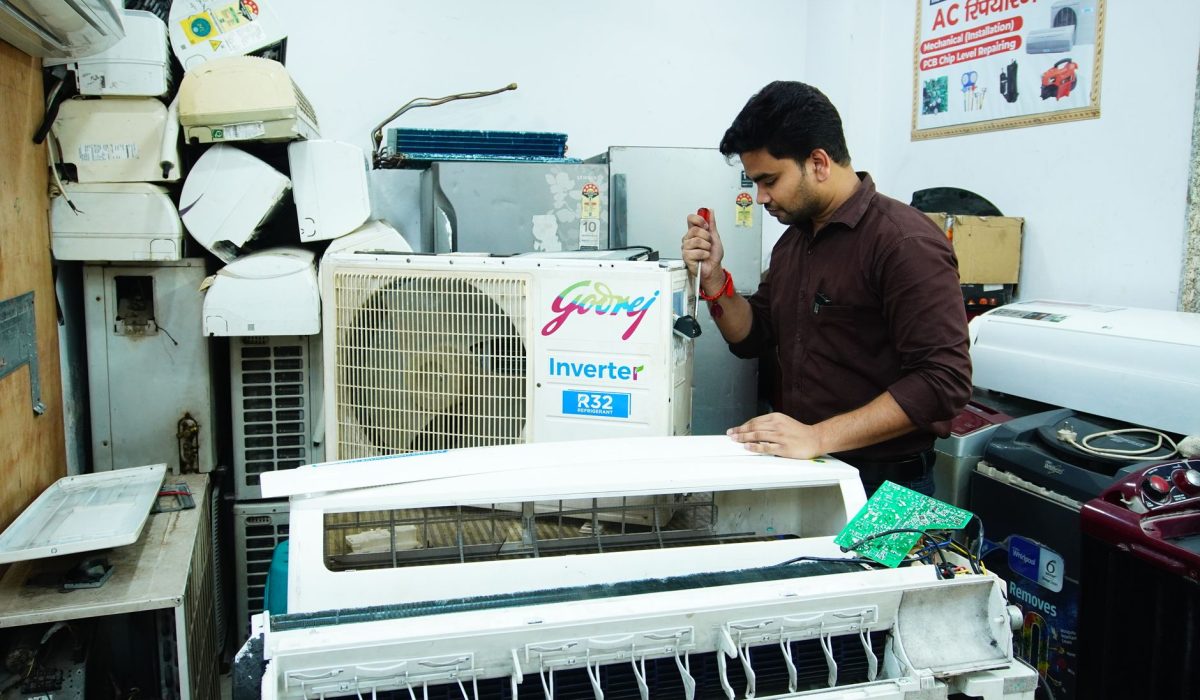
When an air conditioning system stops working properly, the effects can quickly become noticeable throughout a home or business. Uncomfortable indoor temperatures, poor airflow, unusual sounds, rising energy bills, and inconsistent cooling are often signs that an air conditioner needs professional attention. Even when the system continues operating, ignoring these warning signs can allow a small mechanical or electrical problem to develop into a more expensive failure. Professional ac repair focuses on identifying the actual cause of the problem, correcting damaged or worn components, and restoring the system to dependable operation while helping protect its long-term performance.Modern air conditioning systems contain multiple components that must work together for effective cooling. Compressors, evaporator coils, condensers, blower motors, electrical controls, refrigerant circuits, filters, thermostats, and ductwork all contribute to overall performance. When one component becomes dirty, damaged, worn, or incorrectly adjusted, the entire system can be affected. A qualified HVAC professional can evaluate these components and determine whether the problem can be repaired, whether maintenance is needed, or whether replacement should eventually be considered. Understanding common air conditioning problems can also help property owners recognize when professional service is necessary.
Recognizing the Warning Signs of an AC Problem
An air conditioner rarely fails without providing some type of warning. In many cases, homeowners notice smaller changes in performance before a complete breakdown occurs. The system may take longer to cool the property, run for unusually long periods, cycle on and off more frequently, or struggle to maintain the thermostat setting. These changes should not automatically be dismissed as normal aging. They can indicate restricted airflow, electrical problems, refrigerant issues, thermostat malfunctions, dirty components, or mechanical wear.Unusual noises are another important warning sign. Grinding, rattling, buzzing, squealing, clicking, or humming sounds can indicate that a component is loose, worn, obstructed, or experiencing electrical trouble. Similarly, unusual odors coming from vents may indicate dirty components, moisture accumulation, electrical issues, or other conditions requiring inspection. A professional technician can investigate these symptoms instead of simply treating the most obvious visible issue, helping ensure that the underlying cause is addressed.
Why Professional Diagnosis Matters
Air conditioning systems are complex pieces of equipment, and several different problems can produce similar symptoms. For example, inadequate cooling might result from a clogged filter, restricted airflow, refrigerant problems, a failing compressor, a dirty coil, a malfunctioning thermostat, or an issue within the duct system. Replacing a component without determining the actual cause may provide only temporary improvement or fail to solve the problem entirely.Professional diagnosis generally begins with an inspection of the system and an evaluation of its operating condition. The technician may check airflow, electrical connections, temperature differences, controls, motors, refrigerant-related components, coils, and other important areas. This process helps identify the source of the malfunction and allows the repair strategy to be based on evidence rather than guesswork. Proper diagnosis can also reveal secondary problems that might otherwise remain unnoticed until they cause a larger breakdown.
Common Causes of Air Conditioning Failure
One of the most common causes of poor air conditioner performance is restricted airflow. Dirty filters, blocked vents, clogged coils, damaged ductwork, or blower-related problems can prevent conditioned air from moving effectively through the property. When airflow is restricted, the system may work harder and run longer while providing less comfortable cooling. Regular filter replacement and professional maintenance can help reduce some of these problems, but persistent airflow issues require a more thorough evaluation.Electrical problems can also prevent an air conditioner from operating correctly. Faulty capacitors, damaged wiring, worn contactors, malfunctioning controls, and other electrical components can interfere with startup or normal operation. Because electrical components can present safety risks, repairs should be handled by trained professionals with the appropriate knowledge and equipment. Attempting to diagnose or repair electrical HVAC components without proper experience can create additional damage or personal safety hazards.Refrigerant-related problems are another possible cause of insufficient cooling. An air conditioning system is designed to operate with an appropriate refrigerant charge, and a leak can reduce cooling performance. Simply adding refrigerant without identifying and addressing a leak may not provide a lasting solution. A professional technician can evaluate the system, identify potential leakage points, and determine the appropriate corrective action.
The Importance of Timely Service
Delaying service may seem like a way to avoid an immediate expense, but allowing a malfunctioning air conditioner to continue operating can sometimes increase the overall cost of the problem. A system struggling with restricted airflow, worn components, electrical faults, or other issues may experience additional stress during operation. In some cases, a relatively manageable repair can eventually lead to damage involving more expensive components.Timely ac repair can help restore normal operation before a minor issue develops into a major breakdown. Addressing problems early may also improve comfort and reduce unnecessary energy consumption. When an air conditioner operates correctly, its components can work within their intended conditions instead of constantly compensating for an underlying problem. This is particularly important during periods when the cooling system is operating for extended hours.
Improving Energy Efficiency Through Proper Repairs
Energy efficiency is closely connected to the condition of an air conditioning system. An inefficient system may need to operate longer to achieve the same indoor temperature, increasing electricity consumption. Problems such as dirty coils, restricted airflow, malfunctioning thermostats, failing motors, and refrigerant issues can all contribute to reduced performance.Repairing these problems can help the system operate more effectively. However, energy efficiency is not simply about replacing a single part. The entire cooling system should function as a coordinated unit. Proper airflow, clean components, accurate controls, and appropriate system operation all contribute to performance. Professional service can help identify conditions that cause unnecessary energy use and recommend practical solutions based on the equipment's condition.
Maintaining Consistent Indoor Comfort
A properly functioning air conditioner should provide reasonably consistent cooling throughout the property. If some rooms remain warm while others become excessively cold, the problem may involve airflow, ductwork, insulation, thermostat placement, zoning, or the air conditioning equipment itself. Uneven temperatures should therefore be investigated rather than treated as an unavoidable characteristic of the system.A professional HVAC evaluation can help determine whether the problem originates with the air conditioner or another part of the property's cooling distribution system. Correcting the underlying issue can improve comfort and reduce the need for occupants to constantly adjust thermostats. Consistent operation also helps reduce unnecessary cycling and excessive runtime.
When Maintenance Can Prevent Bigger Problems
Repairs and maintenance serve different purposes, but they work together to support reliable air conditioning performance. Maintenance is designed to identify and address developing issues before they become major failures, while repair focuses on correcting an existing malfunction. Regular professional inspections can reveal worn components, dirty coils, electrical concerns, airflow restrictions, and other conditions that could affect future performance.Maintenance can also help preserve system efficiency. Cleaning and inspecting important components allows technicians to identify problems that may otherwise remain hidden. Depending on the equipment and its condition, professional maintenance may include checking electrical connections, inspecting coils, evaluating airflow, examining controls, and assessing overall operation. Following the manufacturer's maintenance recommendations can also support equipment longevity.
Repair or Replacement: Making the Right Decision
Not every air conditioning problem means that the entire system needs to be replaced. Many issues can be corrected through professional service, especially when the equipment is otherwise in good condition. A damaged capacitor, faulty electrical component, restricted airflow problem, thermostat issue, or other isolated malfunction may be repairable without replacing the complete system.At the same time, there are situations where repeated repairs may no longer be the most practical solution. An older system with frequent breakdowns, declining efficiency, extensive component failure, or significant repair costs may warrant replacement consideration. A qualified HVAC professional can evaluate the equipment's age, condition, repair history, efficiency, and expected future performance. This information allows property owners to make a more informed decision instead of choosing replacement solely because of one isolated problem.
Choosing a Qualified HVAC Professional
The quality of service can have a major effect on the reliability of an air conditioning repair. Property owners should look for HVAC professionals who have appropriate experience with the type of equipment installed on the property and who follow established service practices. A reputable technician should inspect the system carefully, explain the identified problem, discuss available repair options, and provide clear information before significant work begins.Professionalism is also important throughout the service process. Technicians should protect the surrounding property, use appropriate diagnostic equipment, and complete repairs according to manufacturer requirements and applicable safety practices. Good communication helps customers understand what caused the problem and what steps can help prevent similar issues in the future.
Preparing for Professional AC Service
Property owners can make an HVAC service visit more productive by paying attention to the symptoms occurring before the appointment. Details such as when the problem started, whether the system is making unusual sounds, whether airflow has changed, or whether certain rooms are warmer than others can help technicians understand the situation more quickly. It is also useful to avoid repeatedly resetting or forcing a malfunctioning system to operate, particularly when there are signs of electrical trouble, burning odors, unusual noises, or other serious symptoms.Keeping the area around outdoor equipment reasonably clear can also support proper airflow and easier access for technicians. However, homeowners should avoid attempting complex repairs themselves. Air conditioning equipment contains electrical and mechanical components that require specialized knowledge, and refrigerant-related work should be performed by appropriately qualified professionals.
Protecting Long-Term Equipment Performance
A successful repair should do more than temporarily restore cooling. The goal should be to return the system to proper operating condition while identifying factors that may contribute to future problems. For example, if restricted airflow caused excessive strain on the system, simply replacing a damaged component without correcting the airflow issue may allow the same cycle to happen again.Long-term performance depends on a combination of professional repairs, regular maintenance, proper airflow, suitable thermostat settings, clean filters, and responsible system use. Property owners who respond promptly to warning signs are generally in a better position to protect their equipment and avoid unnecessary interruptions in comfort. Maintaining the system according to manufacturer recommendations can further support reliable performance over time.
The Value of Professional HVAC Care
Air conditioning is an important part of maintaining a comfortable indoor environment, particularly when temperatures rise and cooling equipment operates for long periods. When the system begins showing signs of trouble, professional service can help identify the cause and restore dependable operation. Quality ac repair can address immediate performance concerns while also helping property owners understand how to maintain their equipment more effectively.Reliable HVAC service should focus on more than getting a system running again. It should involve careful diagnosis, appropriate repairs, attention to safety, and consideration of the equipment's long-term condition. Whether the issue involves airflow, electrical components, controls, mechanical parts, or another system problem, professional attention can help prevent avoidable complications.
Conclusion
A dependable air conditioning system requires proper operation, timely attention, and regular care. Strange noises, weak airflow, inconsistent cooling, unusual odors, extended runtimes, and unexpected increases in energy use should all be treated as potential warning signs rather than ignored. Early professional evaluation can make it easier to identify problems while they are still manageable and may help prevent more extensive damage.Choosing experienced HVAC professionals for diagnosis and service provides property owners with a practical way to protect comfort, efficiency, and equipment reliability. Whether a system needs a straightforward component repair, a detailed performance evaluation, or guidance about future replacement, professional service can provide the information needed to make a sound decision. With proper care and timely ac repair, an air conditioning system can continue providing dependable cooling while helping maintain a comfortable and efficient indoor environment.