
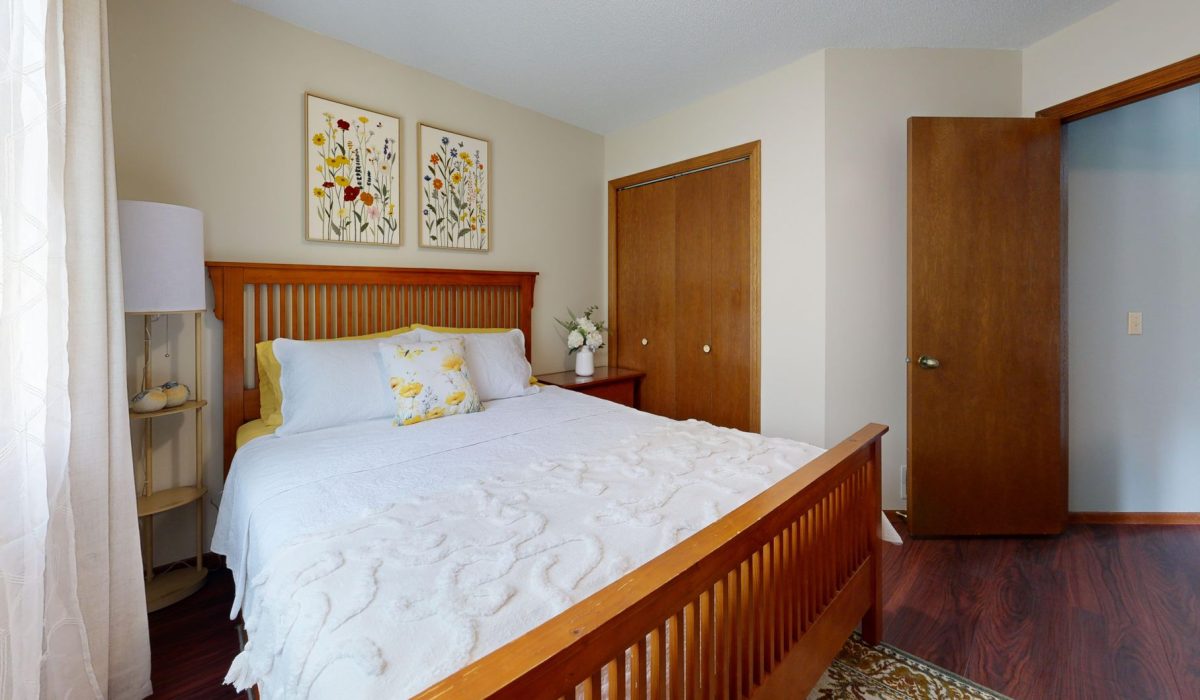
Choosing a new apartment is an important decision because the right home needs to support everyday routines, personal comfort, and future needs. Among the many floor plans available, three-bedroom layouts continue to attract renters and buyers who want more space without moving into a large single-family property. A well-designed three-bedroom apartment can provide dedicated sleeping areas, flexible rooms for work or hobbies, shared living spaces for relaxation, and enough storage to keep daily life organized. Whether the home is intended for a family, roommates, professionals, or someone who simply wants additional space, this type of floor plan can offer an excellent balance between functionality and comfort.The appeal of 3 Bedrooms Apartments comes from their versatility. Unlike smaller layouts where every room may need to serve multiple purposes, a three-bedroom floor plan gives residents greater freedom to organize the home according to their lifestyle. Bedrooms can be used for sleeping, working, studying, guests, or other personal activities, while common areas remain available for cooking, dining, entertaining, and relaxing. This separation between private and shared spaces can make an apartment feel more comfortable and easier to manage. When evaluating different properties, it is therefore important to look beyond the number of bedrooms and consider how the complete floor plan works for the people who will actually live there.
Understanding the Benefits of a Three-Bedroom Layout
One of the biggest advantages of a three-bedroom apartment is the amount of flexibility it provides. A household may use two rooms as traditional bedrooms and turn the third into a home office, study area, guest room, fitness space, or hobby room. This flexibility can be especially valuable as household needs change. A room that serves as an office today could become a nursery or guest room in the future, while a room currently used for storage could eventually become a comfortable personal space. The ability to adapt rooms without changing the entire home can make a three-bedroom apartment a practical long-term choice.The additional space can also make shared living more comfortable. Families may appreciate having separate bedrooms for children, while roommates can enjoy greater privacy compared with smaller apartments. Even when everyone spends time together in the living room or kitchen, individual bedrooms provide a personal retreat where residents can relax without disturbing one another. This balance between social interaction and privacy is one reason larger apartment layouts remain popular among people with different living arrangements.Another important benefit is the possibility of maintaining better organization. More rooms can reduce the need to keep belongings, work materials, and personal items in the main living area. A dedicated office can keep paperwork and technology away from the dining table, while an additional bedroom can provide space for seasonal belongings or guests. With thoughtful furniture placement and adequate storage, a three-bedroom apartment can feel open and organized rather than crowded.
Evaluating the Floor Plan Before Choosing a Home
The number of bedrooms alone does not determine whether an apartment is suitable. Two properties can both have three bedrooms while offering very different levels of comfort and functionality. Prospective residents should examine the relationship between bedrooms, bathrooms, kitchen areas, living spaces, closets, windows, and entrances. A practical floor plan allows people to move naturally through the home without creating unnecessary congestion.Room dimensions are another important consideration. A bedroom may technically fit a bed and dresser, but residents should determine whether there is enough remaining space for walking, storage, and other furniture. Larger bedrooms can provide more flexibility, while well-planned smaller rooms may still work effectively when furniture is selected carefully. It is useful to think about the furniture that will actually be placed in each room rather than judging the space only from photographs or floor plans.The placement of bedrooms can also influence privacy. Some residents prefer bedrooms grouped together, while others may appreciate layouts where bedrooms are separated from common areas or positioned farther apart. Families with children may have different priorities from roommates or professionals. Paying attention to these details before signing a lease or purchasing a property can help prevent disappointment later.
Creating Functional Shared Spaces
A comfortable apartment needs more than bedrooms. The kitchen, living room, dining area, and other common spaces play a major role in determining how enjoyable the home will be. In a three-bedroom layout, residents have the opportunity to keep bedrooms dedicated primarily to private activities while using common areas for social and household routines.The living room should have enough space for seating without blocking walkways or access to doors and windows. Furniture should be arranged around the way residents expect to use the room. Someone who enjoys entertaining may want a larger seating arrangement, while a household that prefers quiet evenings might prioritize comfortable chairs and practical storage. The goal is to create a room that feels welcoming while remaining easy to move through.Kitchen functionality is equally important. Counter space, cabinet storage, appliance placement, and the relationship between the kitchen and dining area can influence everyday convenience. A well-organized kitchen can make meal preparation easier and reduce clutter throughout the apartment. Residents should also consider whether the available storage is sufficient for cookware, food, cleaning products, and other household necessities.
Making the Most of the Additional Bedroom
The third bedroom is often what makes this apartment type especially valuable. It does not necessarily have to remain a conventional bedroom throughout the entire period of occupancy. Its purpose can change as circumstances change, allowing residents to get more value from the available square footage.A dedicated home office can provide a quieter environment for remote work, online meetings, studying, or professional projects. Adding a desk, comfortable chair, shelving, and suitable lighting can transform the room into an efficient workspace without interfering with the rest of the apartment. For households with children, the room could instead become a study area where school materials can be kept organized.A guest room is another practical option. Having a dedicated space for visitors allows guests to enjoy privacy without requiring residents to give up their own bedrooms. The room can also serve multiple purposes by combining a guest bed with a desk, storage furniture, or another useful feature. This makes the space functional even when visitors are not staying.For residents with hobbies, the third bedroom can become a creative studio, reading room, exercise area, or personal retreat. The key is to choose furniture and storage solutions that match the intended use while maintaining enough flexibility for future changes.
Storage and Organization Matter
Storage can have a significant effect on how comfortable an apartment feels. Even a spacious floor plan can become difficult to manage when closets, cabinets, and other storage areas are limited. Before choosing a property, residents should consider how much clothing, equipment, household supplies, and personal belongings they need to accommodate.Built-in closets are particularly useful in bedrooms, but residents should also look at storage throughout the kitchen, bathrooms, hallways, and living areas. Shelving, cabinets, drawers, and other built-in solutions can help keep frequently used items accessible without leaving them exposed. Additional storage furniture can also be used, although it should be selected carefully so that it does not make rooms feel crowded.Good organization is not simply about having more storage. It is also about placing storage where it is most useful. Everyday items should be easy to reach, while seasonal or rarely used belongings can be stored in less accessible areas. A thoughtful approach to organization can make a three-bedroom apartment feel significantly more spacious.
Comfort, Natural Light, and Everyday Atmosphere
The overall atmosphere of an apartment can be just as important as its floor plan. Natural light, ventilation, window placement, ceiling height, and room orientation can all affect how a home feels throughout the day. Residents should pay attention to how much daylight enters bedrooms and common areas and whether the layout supports comfortable airflow.
Natural light can make rooms appear brighter and more open, while appropriate window placement can improve the connection between indoor spaces and the outside environment. Good ventilation is also important for maintaining a comfortable indoor environment, especially in kitchens and bathrooms. These details may seem minor during a quick property viewing, but they can have a meaningful impact on everyday living.Noise should also be considered. The location of bedrooms in relation to elevators, hallways, parking areas, shared amenities, or other busy spaces can influence privacy and relaxation. When possible, prospective residents should visit the apartment at different times to get a better understanding of its environment.
Choosing a Home That Supports Different Lifestyles
A three-bedroom apartment can accommodate a wide range of lifestyles. For families, the layout can provide children with individual rooms while giving parents a private bedroom. For roommates, additional bedrooms can reduce conflicts over shared personal space. Professionals may use one room as an office, while people who frequently host visitors may value having a dedicated guest room.The flexibility of the layout can also support changing circumstances. A resident may begin by using the third room as an office and later convert it into a bedroom. Someone who moves in with roommates may eventually live alone and use the extra rooms differently. Because the apartment can serve several purposes, it may remain useful even when personal or household needs evolve.This flexibility makes it important to think beyond immediate requirements. Prospective residents should consider not only how the apartment will work today but also whether the layout could continue meeting their needs in the future. A home that offers adaptable rooms may provide greater long-term value than one that only meets current requirements.
Considering Quality, Amenities, and Maintenance
A good floor plan is important, but the overall quality of the property should also be evaluated. Prospective residents should pay attention to the condition of flooring, walls, doors, windows, fixtures, appliances, and other important features. Reliable maintenance and well-managed common areas can contribute significantly to a positive living experience.Amenities may also influence the decision depending on individual priorities. Features such as fitness areas, parking, laundry facilities, community spaces, secure entrances, outdoor areas, or additional storage can make everyday routines more convenient. However, residents should focus on amenities they are genuinely likely to use rather than choosing a property simply because it offers a long list of features.It is also wise to understand the responsibilities associated with maintaining the apartment. Prospective residents should review lease terms, maintenance procedures, utility arrangements, pet policies, parking rules, and other important conditions before making a commitment. Understanding these details early can help create realistic expectations about the total cost and responsibilities of living in the property.
Planning Furniture for Maximum Functionality
Furniture selection can dramatically change how a three-bedroom apartment feels. Oversized furniture may make an otherwise spacious home feel cramped, while appropriately scaled pieces can create comfortable rooms with clear walking paths. Residents should measure important areas before purchasing major furniture and consider how pieces will fit through entrances, hallways, and stairways or elevators.Multi-purpose furniture can be particularly useful in flexible rooms. A desk with built-in storage, a sleeper sofa, modular shelving, or a storage bed can provide additional functionality without requiring excessive floor space. The objective is not to fill every available area but to create a balanced home where furniture supports daily activities.Lighting should also be considered when arranging furniture. Task lighting can improve workspaces and reading areas, while ambient lighting can make living spaces more comfortable in the evening. Combining different types of lighting can help residents adapt each room to different activities.
Making a Confident Apartment Decision
Finding the right apartment requires more than comparing monthly prices or counting bedrooms. A successful choice involves considering layout, room sizes, storage, privacy, natural light, amenities, maintenance, and future flexibility. Taking time to evaluate these factors can help residents choose a home that works well in everyday life rather than simply looking attractive during an initial viewing.When comparing 3 bedroom apartments, it can be helpful to create a list of essential requirements and preferred features. Essential requirements might include the number of bathrooms, parking needs, bedroom dimensions, accessibility, or sufficient workspace. Preferred features could include upgraded kitchens, additional storage, outdoor space, or specific amenities. Separating necessities from preferences can make the decision-making process clearer and prevent attractive but impractical features from becoming the main focus.Residents should also consider how the apartment feels when they actually move through it. A floor plan can provide useful information, but physically walking through the rooms can reveal details that are difficult to understand from photographs. Pay attention to traffic flow, noise, lighting, storage access, and the relationship between private and shared spaces. These observations can help determine whether the apartment is genuinely comfortable and functional.
Conclusion
A thoughtfully designed three-bedroom apartment can provide an ideal combination of privacy, flexibility, and practical living space. Its additional room can serve as a traditional bedroom, home office, guest room, study, hobby area, or personal retreat, allowing the home to adapt to changing needs. At the same time, well-planned kitchens, living areas, storage, lighting, and circulation can make everyday routines easier and more enjoyable.Choosing among available 3 Bedrooms Apartments should therefore involve a complete evaluation of the property rather than focusing only on the bedroom count. Consider how each room will be used, how furniture will fit, whether storage is sufficient, how much privacy the layout provides, and whether the home can continue meeting future needs. With careful planning and attention to practical details, a three-bedroom layout can offer a comfortable and adaptable living environment that supports a wide variety of lifestyles.