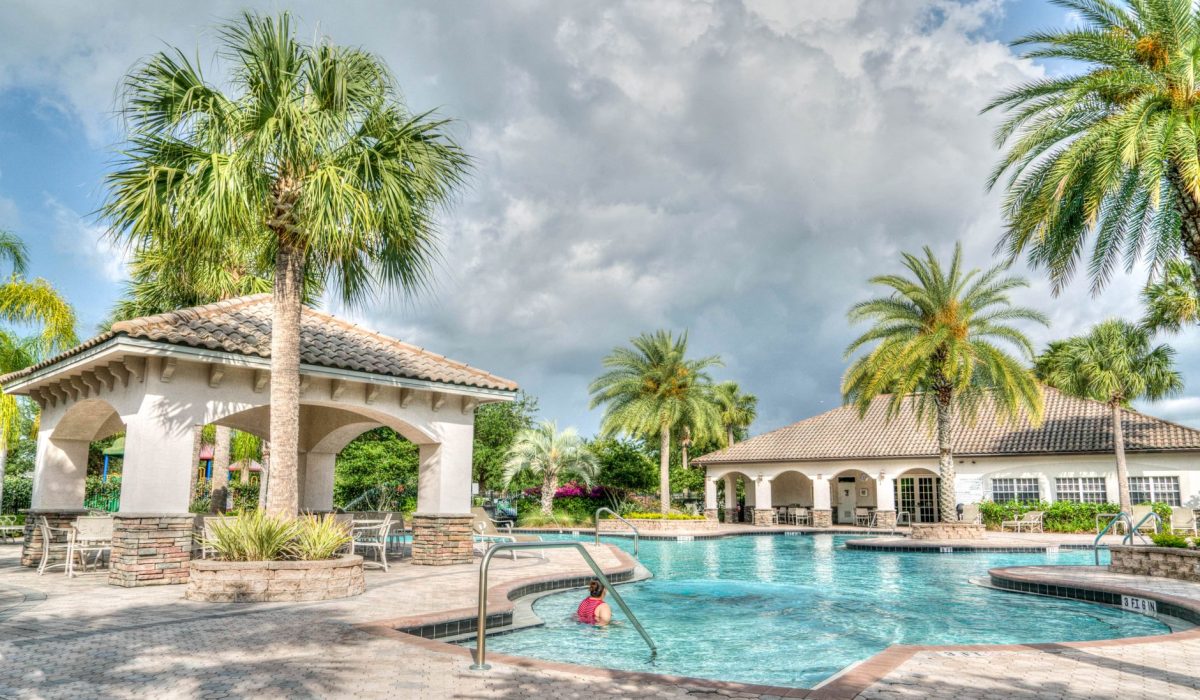
A swimming pool can be one of the most attractive and enjoyable features of a property, but the space surrounding the pool has an equally important role in determining how comfortable, functional, and visually appealing the entire outdoor environment becomes. The deck is where people walk, relax, place furniture, spend time with family, entertain guests, and move between the pool and other outdoor areas. Because this surface experiences regular foot traffic, moisture, sunlight, changing weather conditions, and exposure to pool water, choosing the right material and installation approach is essential. Pavers offer a versatile solution for creating an outdoor surface that combines durability, visual appeal, and practical performance.A professionally designed paver deck can transform an ordinary pool area into a more complete outdoor living environment. Instead of having a simple strip of concrete surrounding the water, property owners can create defined spaces for lounge chairs, outdoor dining, seating areas, pathways, decorative landscaping, and other features. The flexibility of pavers makes it possible to customize the layout according to the shape of the pool and the overall style of the property. With proper planning, high-quality materials, and professional installation, a pool deck can become a durable and attractive part of the outdoor space for years to come.
Understanding the Role of a Well-Designed Pool Deck
The pool itself may be the main attraction, but the deck surrounding it often determines how easily the entire area can be used. A deck that is too narrow can limit movement and make it difficult to place furniture comfortably. An outdated or damaged surface can affect the appearance of the outdoor area and may create maintenance concerns. A carefully planned deck provides a practical foundation for the activities that take place around the pool while helping connect the water feature with the rest of the landscape.Design should begin by considering how the space will be used. Some property owners may want a quiet area for relaxing near the water, while others may need a larger space for entertaining groups of family members and guests. The location of seating, tables, outdoor kitchens, shade structures, fire features, and landscaping can all influence the size and shape of the deck. Planning these details in advance can help create a more organized layout and prevent the finished space from feeling crowded or disconnected.Pavers are especially useful because they can be arranged in many different ways. The design does not have to follow a single pattern or uniform appearance. Different sizes, textures, shapes, and colors can be combined to create borders, pathways, accent areas, and visual transitions. This flexibility gives property owners the opportunity to create a deck that complements both the pool and the surrounding architecture.
Why Pavers Are an Excellent Option for Pool Surroundings
Pavers have become a popular choice for outdoor surfaces because they offer a combination of design versatility and practical durability. Individual paving units can be installed in a wide range of patterns, making it easier to create a customized appearance. A simple layout can provide a clean and contemporary look, while decorative borders and detailed patterns can add character to the space.Another important advantage is the modular nature of a paver system. Unlike a single continuous poured surface, a paver deck consists of individual units installed over a prepared foundation. If a specific area eventually requires attention, individual pavers can often be removed and replaced without reconstructing the entire surface. This can make certain repairs and adjustments more manageable.The material options available for pavers also give property owners greater control over the final appearance of the deck. Concrete pavers are available in many styles and finishes, while natural stone and other paving materials can provide a more distinctive appearance. The selected material should be appropriate for the intended use of the pool area and should be evaluated for factors such as surface texture, maintenance requirements, heat exposure, durability, and overall design compatibility.
Planning the Layout Before Installation Begins
Successful outdoor projects usually begin with careful planning. Before any excavation or construction starts, it is important to understand the dimensions of the pool area and identify the features that will be included in the finished space. The pool shape, nearby structures, landscaping, existing walkways, drainage patterns, and available outdoor space can all influence the final design.A rectangular pool may work well with straight lines and geometric paver patterns, while a curved or freeform pool may benefit from a layout that follows the contours of the water. Borders can help define the pool's shape and create a polished transition between the coping and the main deck. Larger areas may also be divided into separate functional zones through changes in paver patterns or borders.It is also useful to think about furniture placement during the planning stage. Lounge chairs, tables, umbrellas, and other outdoor features require sufficient space. Pathways should remain open so people can move around the pool without navigating through crowded seating areas. A thoughtful layout can improve both comfort and visual balance while making better use of the available outdoor space.
Choosing Pavers That Complement the Outdoor Design
Selecting the right pavers involves more than choosing an attractive color. The material should complement the overall design while also providing suitable performance for an outdoor environment. A pool deck is exposed to water, sunlight, dirt, leaves, foot traffic, and other conditions that can affect the surface over time. For this reason, the chosen pavers should be evaluated according to both appearance and practical requirements.Color selection can influence the atmosphere of the entire pool area. Neutral tones may create a classic and adaptable appearance, while warmer shades can make the space feel more natural and inviting. More contemporary designs may incorporate clean lines and coordinated colors that complement the exterior of the property. Borders can be created using a contrasting shade to define the edge of the pool or highlight specific areas.Texture is another important consideration. Because water is frequently present around a pool, the surface should provide appropriate traction for its intended use. Different paver materials and finishes can offer varying levels of texture, so selecting a suitable option is an important part of the design process. Comfort underfoot and exposure to direct sunlight should also be considered when evaluating materials.
The Importance of a Strong and Stable Foundation
The visible pavers represent only one part of the completed deck. The layers beneath the surface play a major role in supporting long-term performance. Proper excavation, grading, base preparation, and compaction help create a stable foundation for the pavers. If these steps are overlooked or completed improperly, the finished surface may be more likely to experience movement or uneven areas.The preparation process depends on the conditions of the site and the requirements of the project. Existing surfaces may need to be removed, and the underlying soil may need to be evaluated before the base is installed. A properly prepared base helps support the pavers and distribute weight across the surface.Edge restraints are also important because they help maintain the position of the pavers along the perimeter of the installation. Joint material can help support the individual units and contribute to the stability of the finished surface. These details may not receive as much attention as the visible design, but they are essential to the overall performance of the deck.
Managing Drainage Around the Pool Area
Water management is one of the most important factors in any outdoor hardscape project. A pool area naturally experiences moisture from splashing, rainfall, cleaning, and other activities. Without proper planning, water may collect in unwanted areas or contribute to soil movement and surface problems.The deck should be designed with appropriate grading so water can move in a controlled direction. Drainage planning should also consider nearby structures, landscaping, and other outdoor surfaces. The goal is not simply to remove water from the immediate pool deck but to manage it in a way that supports the overall property.
Proper drainage can also help reduce standing water on the surface. This improves the usability of the deck and can make routine maintenance easier. The specific drainage approach may depend on the existing site conditions, slope, soil, pool design, and other project requirements. A professional evaluation can help identify potential concerns before construction begins.
Creating Functional Areas Around the Pool
A pool deck can serve several purposes at the same time. In addition to providing a surface for walking around the pool, it can create dedicated spaces for relaxation, dining, entertaining, and outdoor activities. Designing these areas as part of the original plan can make the finished environment more functional.A lounging area may include enough room for chairs, tables, and umbrellas. A dining area can be positioned away from the main circulation path to create a more comfortable setting for meals and gatherings. Larger outdoor spaces may also include kitchens, grilling stations, seating walls, or other features that extend the use of the property.Pavers can help visually separate these spaces without requiring walls or barriers. A change in pattern, border, or paver orientation can define a specific area while maintaining a connected appearance throughout the landscape. This approach can create an organized design that still feels open and inviting.
Adding Character Through Patterns and Borders
One of the major advantages of working with pavers is the variety of available design options. Pavers can be arranged in running bond, herringbone, basketweave, modular, and other patterns. The selected layout can influence the visual character of the entire pool deck.A simple pattern may be ideal for a modern outdoor space where clean lines and consistency are important. A more detailed arrangement can add decorative interest to a traditional or customized landscape. Borders can be used to frame the pool, define pathways, or separate the main deck from adjacent landscaping.Accent colors can also be incorporated carefully into the design. The goal should be to create visual interest without making the space feel overly busy. A well-balanced design considers the colors of the pool coping, home exterior, landscaping, and other hardscape features.Planning the pattern before installation begins is important because it allows cuts, borders, curves, and transitions to be coordinated properly. A professional installer can help determine how the selected pattern will work with the dimensions and shape of the pool area.
Professional Workmanship and Attention to Detail
The appearance of a completed paver deck depends on the quality of the installation process. Placing pavers on the ground without proper preparation can lead to problems over time. Professional workmanship involves careful attention to excavation, grading, base construction, compaction, alignment, edge support, and finishing.Each paver needs to be positioned properly to create a consistent and attractive surface. Curves, corners, steps, and transitions require additional attention to maintain the intended design. The installer must also consider how the pavers connect with pool coping, walls, landscaping, and other existing structures.For property owners planning an outdoor upgrade, professional Pool Deck Paver Installation can help create a surface that is designed around both appearance and long-term functionality. Working with experienced professionals can also make it easier to evaluate materials, layouts, drainage requirements, and other details before the project begins.
Integrating Landscaping With the Paver Deck
Hardscape and landscaping should work together rather than appearing as separate elements. Plants, trees, decorative stone, and other natural features can soften the appearance of a large paved surface and create a more inviting outdoor environment.Planting beds can be positioned around the edges of the deck or incorporated into selected areas of the design. Decorative planters and retaining features may also be integrated into a larger outdoor renovation. The placement of vegetation should be considered carefully because roots, falling leaves, and other natural elements can affect long-term maintenance.A balanced design creates a transition between the paved pool area and the surrounding landscape. The pavers provide structure and usable space, while landscaping can add color, texture, and visual interest. When planned together, these elements can create a more complete outdoor living environment.
Maintaining the Appearance of Pool Deck Pavers
Regular maintenance can help preserve the appearance and performance of a paver deck. Outdoor surfaces naturally collect dirt, leaves, dust, and other debris. Routine sweeping can help prevent buildup and keep the area looking clean.Pool water, organic materials, and other substances may occasionally leave marks or stains on the surface. The appropriate cleaning method depends on the type of paver and the nature of the stain. Using cleaning products or techniques that are unsuitable for the selected material may cause unnecessary damage, so manufacturer recommendations and professional guidance should be considered when more intensive cleaning is needed.It is also useful to inspect the deck periodically. Property owners can look for changes such as uneven sections, shifting pavers, reduced joint material, or areas where water is no longer draining as intended. Identifying concerns early can make maintenance more manageable and help prevent smaller issues from developing into more extensive repairs.
The Advantage of Repairing Individual Pavers
Outdoor surfaces can experience movement over time due to soil conditions, drainage changes, tree roots, or other environmental factors. One practical advantage of a paver system is that localized areas can often be addressed without replacing the entire deck.If individual pavers become damaged or an area settles, the affected section may be removed so that the underlying problem can be evaluated and corrected. The pavers can then be reinstalled or replaced as needed. This approach can help maintain the overall appearance of the deck while avoiding unnecessary work in areas that remain in good condition.However, it is important to identify the reason behind the problem. Simply replacing a visible paver may not provide a lasting solution if the underlying base or drainage condition has not been addressed. Professional evaluation can help determine whether the issue is isolated or part of a larger concern.
Improving Comfort and Safety Around the Pool
Comfort and safety should be considered throughout the design process. The pool deck is frequently used by people moving between the water, seating areas, entrances, and other outdoor spaces. The layout should provide clear pathways and avoid unnecessary obstacles.The surface material should also be appropriate for a wet environment. Texture, drainage, and maintenance all contribute to the usability of the deck. Steps and changes in elevation should be clearly integrated into the design, and transitions between different surfaces should be planned carefully.Furniture placement can also influence safety and convenience. Large items should not block major walkways or restrict access around the pool. A spacious and organized layout can make the area easier to use while contributing to a more relaxed outdoor atmosphere.
Adding Lighting and Decorative Features
Lighting can extend the usability of a pool deck after daylight hours and add visual interest to the outdoor environment. Path lighting can help define walking areas, while accent lighting can highlight landscaping, architectural features, and decorative elements.The lighting plan should be coordinated with the overall design rather than added randomly after the deck is complete. Fixtures, electrical requirements, and access for future maintenance can influence placement decisions. Any electrical work around a pool environment should be completed according to applicable safety requirements.Other decorative features can also be incorporated into the design. Seating walls, planters, fire features, shade structures, and outdoor kitchens can expand the functionality of the space. Planning these features before the paving work begins can help ensure that the layout accommodates their structural and practical requirements.
Increasing the Usability of the Entire Outdoor Space
A well-designed pool area can encourage greater use of the entire property. Instead of treating the pool as a separate feature, the deck can connect it with patios, gardens, outdoor dining spaces, and other areas.Paver pathways can create smooth transitions between different parts of the landscape. Coordinating materials throughout the property can also create a consistent appearance. For example, the same or complementary pavers may be used for walkways, patios, seating areas, or other hardscape features.This connected approach can make the outdoor environment feel larger and more organized. It also allows future improvements to be considered as part of a broader design rather than as unrelated additions.
Planning for Long-Term Performance
When investing in an outdoor improvement, it is important to think beyond the first day the project is completed. Long-term performance depends on several factors, including material quality, installation methods, drainage, maintenance, and environmental conditions.Choosing durable materials is important, but proper installation is equally essential. Even high-quality pavers can experience problems when the base is inadequate or water is not managed effectively. A well-planned project addresses these details from the beginning.Maintenance expectations should also be realistic. Every outdoor surface requires some level of care. Understanding the cleaning and inspection requirements of the selected pavers can help property owners protect their investment and maintain the desired appearance.Future additions should also be considered when possible. If the property owner plans to add an outdoor kitchen, pergola, additional seating area, or other feature later, allowing space for these improvements during the initial design can make future projects easier to complete.
Selecting the Right Professional for the Project
Choosing an experienced installation team is an important part of achieving a successful result. A qualified professional should be able to evaluate the existing site, discuss design options, explain material choices, and identify factors that may affect construction.Communication is also important. Property owners should understand the general scope of the work and how the design decisions will influence the final result. Discussing drainage, base preparation, paver patterns, borders, and transitions before work begins can help create clearer expectations.Experience with outdoor hardscape projects can be particularly valuable because a pool deck involves multiple connected considerations. The visible paver design must work with the foundation, drainage, pool structure, landscaping, and intended use of the space.
A Smart Investment in Outdoor Living
Improving the pool area can provide benefits that extend beyond visual appeal. A functional deck creates additional usable space and provides a foundation for relaxing, entertaining, and spending time outdoors. A carefully designed layout can also improve the connection between the pool and other parts of the property.The value of the project depends on more than the pavers themselves. Design planning, quality materials, professional installation, and long-term maintenance all contribute to the finished result. Taking a comprehensive approach can help create an outdoor environment that remains useful and attractive over time.Whether the goal is to create a simple and elegant poolside surface or develop a complete outdoor living area with multiple features, pavers offer substantial flexibility. Their ability to support different patterns, borders, shapes, and layouts makes them suitable for a wide range of design preferences.
Conclusion
A pool deck should be designed to support the way an outdoor space is actually used. It needs to provide comfortable areas for walking and relaxing while complementing the pool, landscaping, and surrounding architecture. Pavers offer a versatile solution because they can be customized through different materials, patterns, colors, and layouts.However, the success of the project depends on more than the visible surface. Proper excavation, base preparation, grading, drainage, edge support, and professional workmanship all play an important role in long-term performance. Careful planning can also make it easier to incorporate seating, landscaping, lighting, pathways, and other outdoor features into one connected design.A thoughtfully planned paver deck can transform the pool area into a more attractive and functional outdoor retreat.
By selecting appropriate materials and working with experienced professionals, property owners can create a surface that supports regular use while enhancing the overall appearance of the property. Investing in quality pool deck paver installation provides an opportunity to combine durability, customization, and practical outdoor living in a design built for long-term enjoyment.