Technology has become an important part of modern living, and homeowners are increasingly looking for ways to make everyday tasks easier, more convenient, secure, and efficient. Home automation provides a practical solution by bringing multiple residential systems together through connected technology and centralized control. Instead of operating lighting, entertainment, climate control, security equipment, shades, access systems, and networking devices separately, homeowners can create an integrated environment in which these systems communicate and work together. A thoughtfully designed automation system can respond to schedules, commands, occupancy, and household routines, allowing technology to become a natural part of everyday life. The goal is not simply to install smart devices but to create a coordinated system that is reliable, simple to operate, and capable of adapting to changing needs.
Working with a professional home automation company can make the process considerably easier because successful automation requires more than purchasing connected products and downloading applications. A complete system needs careful planning, dependable networking, compatible equipment, proper configuration, and programming that reflects how the property is actually used. Professional installers can evaluate the existing infrastructure, determine which technologies are appropriate, and develop an automation solution around the homeowner's priorities. This approach can prevent compatibility issues and unnecessary equipment while providing a more consistent experience throughout the property. Whether the goal is improving security, simplifying entertainment, controlling lighting, or creating a more comfortable indoor environment, professional system design can help ensure that each component contributes to the overall performance of the home.
Understanding the Role of Home Automation
Home automation involves connecting residential technologies so they can be monitored and controlled through centralized or coordinated systems. Depending on the property and the homeowner's preferences, automation can include lighting, thermostats, security cameras, smart locks, motorized shades, audio and video equipment, sensors, access control, and networking infrastructure. These systems may be controlled through smartphones, tablets, touchscreens, voice commands, remote controls, or automated schedules. Instead of requiring homeowners to manage each device individually, an integrated system can allow several functions to operate together through a single command or programmed routine. This creates a more organized environment and can reduce the number of repetitive tasks required throughout the day.One of the most important advantages of automation is its ability to connect individual functions into meaningful routines. For example, a homeowner may create a nighttime setting that turns off selected lights, adjusts the thermostat, locks connected doors, closes motorized shades, and activates appropriate security features. A morning routine could perform the opposite by adjusting indoor temperatures, opening shades, and gradually activating selected lighting. These examples show how automation can move beyond individual smart products and become a complete system designed around household routines. When properly programmed, the technology can work quietly in the background while giving homeowners the ability to take control whenever they need it.
Building a Reliable Network Foundation
A dependable network is one of the most important elements of any connected home because smart devices need reliable communication to function properly. Cameras, streaming equipment, smart controls, lighting systems, thermostats, access devices, and other connected products may all depend on wired or wireless network connections. If the network is poorly designed, devices can experience delays, interruptions, or connection problems that affect the overall automation experience. As more connected equipment is added to a property, the importance of proper network planning becomes even greater because multiple devices may be communicating simultaneously.Professional network planning can involve evaluating wireless coverage, determining where wired connections are beneficial, selecting suitable networking equipment, and considering the number of devices that will be connected now and in the future. A strong infrastructure can also make future upgrades easier because homeowners may eventually add additional cameras, entertainment systems, smart appliances, sensors, or other technologies. Instead of treating networking as a separate concern, it should be considered part of the automation design from the beginning. A reliable network gives connected systems the foundation they need to communicate consistently and deliver the convenience homeowners expect.
Improving Lighting Control Throughout the Home
Smart lighting is one of the most accessible and useful areas of home automation because lighting is something homeowners interact with every day. Traditional switches require users to control individual fixtures manually, while an automated lighting system can allow multiple lights to be controlled together through scenes, schedules, sensors, or centralized interfaces. Homeowners can create different lighting settings for cooking, working, relaxing, entertaining, watching movies, or preparing for bedtime. These settings can reduce repetitive actions while making the atmosphere of each room easier to customize.Automated lighting can also help homeowners manage lights when they are away from the property. Lights can be scheduled to operate at selected times or controlled remotely when necessary. Motion and occupancy sensors may also be incorporated into suitable areas, allowing lighting to respond when people enter or leave a space. By coordinating lighting with other automation features, homeowners can create more sophisticated routines. For instance, an evening scene might activate exterior lighting, adjust interior lights to comfortable levels, and prepare entertainment areas for use. These capabilities demonstrate how lighting automation can provide both practical convenience and greater control over the home's environment.
Managing Indoor Comfort With Smart Climate Controls
Heating and cooling systems play a major role in household comfort, and automation can provide homeowners with more flexible ways to manage indoor temperatures. Smart thermostats and connected climate controls can be programmed around schedules, occupancy patterns, and preferred settings. Rather than maintaining the same temperature throughout the entire day, homeowners can create different conditions for periods when the property is occupied, sleeping, or vacant. Remote control can also allow temperature adjustments when homeowners are away and want to prepare the home before returning.Climate automation can become even more useful when integrated with other systems. For example, motorized shades can help manage sunlight entering rooms, while lighting and climate settings can respond to different times of day. The purpose is not simply to automate a thermostat but to create a more coordinated approach to indoor comfort. Proper programming can reduce unnecessary manual adjustments and help homeowners maintain preferred conditions without constantly monitoring individual controls. A professional installation can also ensure that connected climate equipment communicates correctly with the rest of the automation system.
Strengthening Security Through Integration
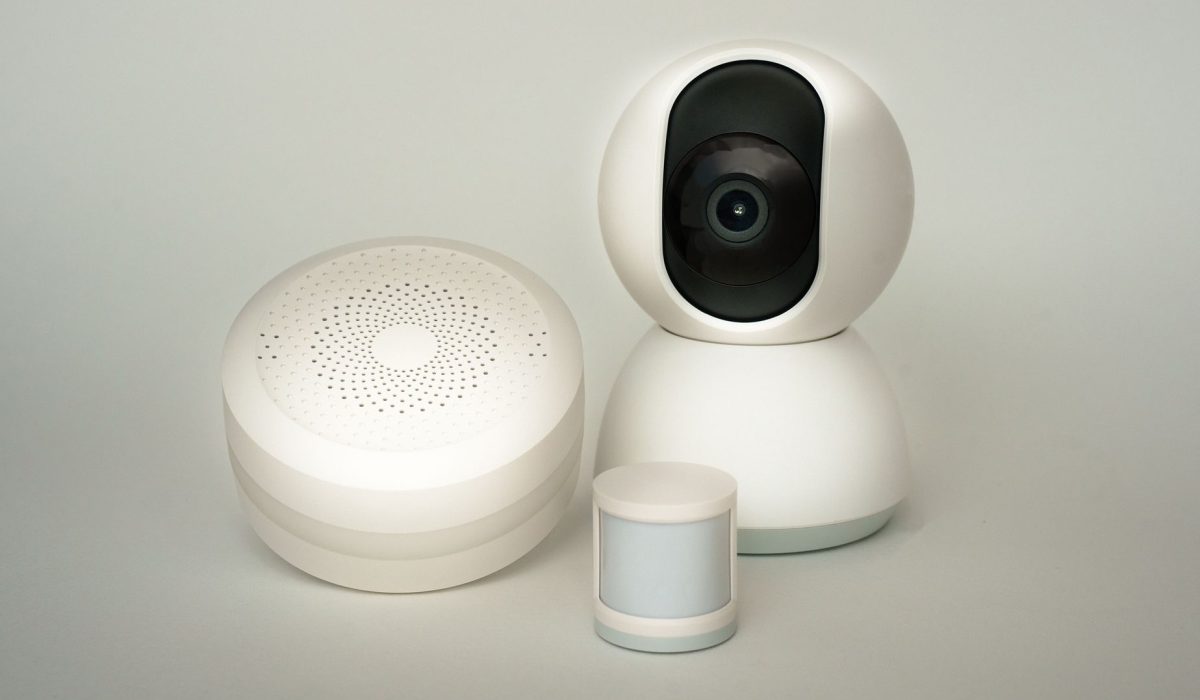
Home security can become more convenient and informative when different security components are connected through an integrated automation platform. Cameras, smart locks, motion sensors, door and window sensors, lighting, alarms, and access systems can potentially be coordinated so homeowners have a clearer overview of what is happening around the property. Instead of checking multiple independent systems, users may be able to access important information through a centralized interface. This can make monitoring easier and provide faster access to important controls.Automation can also allow security features to work together. Exterior lighting may be scheduled to activate during selected hours, while connected locks can be included in departure or nighttime routines. Cameras and sensors can provide information that helps homeowners remain aware of activity around the property. When security systems are properly integrated, the objective is to create a coordinated environment in which individual devices support one another. Professional planning is especially valuable in this area because security equipment should be installed, configured, and maintained carefully to provide dependable performance.
Simplifying Home Entertainment
Entertainment systems can involve televisions, speakers, streaming devices, receivers, projectors, media players, and other equipment, and managing all of these components separately can become inconvenient. Automation can simplify the experience by providing centralized control over frequently used entertainment functions. Instead of searching for multiple remotes or switching between different applications, homeowners can use a streamlined interface to operate their systems. This can make entertainment areas easier for everyone in the household to use.Whole-home audio is another valuable application of automation. Music can be distributed to selected rooms or multiple areas depending on the homeowner's preferences. Different zones can potentially play different content, allowing household members to enjoy separate entertainment experiences at the same time. Entertainment automation can also be combined with lighting and motorized shades to create complete scenes. A movie setting, for example, could adjust lighting, close shades, activate the display, and prepare the audio system with one command. This type of integration can turn complicated equipment into a more intuitive entertainment experience.
Motorized Shades and Automated Natural Light
Motorized shades are another useful component of an integrated home automation system. They provide convenient control over privacy, glare, and natural light while reducing the need to manually adjust individual window coverings. Homeowners can operate shades through centralized controls, scheduled routines, or selected automation scenes. Different rooms can have different settings based on how they are used throughout the day.When motorized shades are integrated with lighting and climate systems, they can become part of a broader comfort strategy. Shades may be adjusted during periods of strong sunlight while interior lighting responds to changing natural conditions. This can make rooms more comfortable and allow homeowners to manage their environment with fewer manual adjustments. Professional installation can also help ensure that shade motors, controls, and other automation components communicate properly and are programmed according to the home's layout and daily routines.
Creating Customized Automation Scenes
Personalization is one of the biggest advantages of a professionally designed automation system. Every household has different schedules, habits, and priorities, so a system should be configured around the way the property is actually used. Automation scenes can combine multiple actions and allow homeowners to activate several functions with one command. This eliminates repetitive steps and creates a more consistent experience throughout the home.A leaving-home scene could turn off selected lights, adjust the thermostat, lock doors, close shades, and activate security equipment. A returning-home scene could unlock approved access points, adjust indoor temperatures, activate pathway lighting, and prepare selected rooms for occupancy. A relaxing scene might lower lighting levels, adjust shades, and activate music, while a bedtime scene could secure the property and prepare the home for overnight conditions. These customized routines demonstrate the practical value of integration because the homeowner does not have to control every device separately.
Supporting New Construction and Existing Properties
Home automation can be planned for both new construction projects and existing homes. New construction provides an opportunity to consider automation infrastructure before walls are completed. Wiring, network equipment, control locations, equipment spaces, and other requirements can be incorporated into the design at an early stage. This can make installation cleaner and provide a stronger foundation for future upgrades. Planning early can also reduce the need for disruptive changes after construction is complete.Existing properties can also be upgraded with modern automation technologies. Wireless devices, flexible network solutions, and retrofit-friendly products can make it possible to introduce automation without completely rebuilding the property. A professional evaluation can identify which systems can be integrated with existing equipment and where improvements may be necessary. Homeowners do not necessarily need to automate every room or every system at once. A phased approach can allow important features to be introduced first and additional technologies added later as needs and budgets develop.
Planning for Future Technology
Technology changes quickly, which means homeowners should consider future expansion when designing an automation system. A system that works well today may eventually need to support additional devices, upgraded entertainment equipment, new security technologies, or changing household requirements. Choosing scalable infrastructure can make future improvements easier and reduce the possibility of having to replace major components.Future planning can involve providing sufficient network capacity, organizing equipment properly, selecting compatible control platforms, and documenting system configurations. Professional installers can also help homeowners understand which components are likely to remain useful as technology develops. This forward-thinking approach allows the original investment to provide value over a longer period. Instead of viewing automation as a one-time installation, homeowners can treat it as an evolving system that can be updated as new technologies and household needs emerge.
Protecting Connected Systems
As homes become more connected, security and privacy should remain important considerations. Smart cameras, locks, thermostats, entertainment equipment, and other devices may communicate through the home's network, making appropriate security practices essential. Strong passwords, secure network configurations, updated device software, and carefully managed user access can help protect connected systems from unnecessary risks.Professional system design can help homeowners understand how different devices connect and which accounts or applications are used to control them. It is also important to keep equipment updated and review access permissions when necessary. A reliable automation system should provide convenience without ignoring the importance of protecting the technology behind it. Proper network planning and responsible system management can help create a safer and more dependable connected environment.
Why Professional Integration Is Important
Purchasing individual smart devices can be relatively simple, but creating a complete automation system requires more careful consideration. Different products may use different communication methods, applications, controllers, and network requirements. Without proper planning, homeowners can end up with multiple systems that do not communicate effectively. This can create confusion and make everyday control more complicated instead of easier.A professional automation provider can evaluate the property and determine which technologies will work together effectively. The installation process may include network planning, equipment placement, device configuration, programming, testing, and user education. Professional integration can also make troubleshooting easier because the system is designed as a coordinated solution rather than a collection of unrelated products. This can provide homeowners with greater confidence that their technology will continue working together as intended.
Choosing an Experienced Automation Provider
Selecting an automation provider should involve more than comparing the number of devices a company can install. Homeowners should consider experience with networking, integration, programming, system design, and ongoing technical support. A provider should take time to understand how the household uses the property and what the homeowner hopes to accomplish. This helps ensure that the final system is based on real needs rather than unnecessary features.Clear communication is equally important. Before installation, homeowners should understand the major components of the system, how they will be controlled, what network infrastructure is required, and how future upgrades can be handled. After installation, users should receive appropriate guidance on operating the system and understanding its basic functions. A professional home automation company can help bridge the gap between advanced technology and everyday usability by creating an environment that feels simple even when the technology behind it is sophisticated.
Long-Term Benefits of a Connected Home
The benefits of automation can extend well beyond convenience. Coordinated lighting can simplify daily routines, smart climate controls can provide more flexible comfort management, and integrated security can make monitoring easier. Entertainment systems can become simpler to operate, while motorized shades can improve privacy and control over natural light. When these systems are connected through a thoughtful design, they can work together instead of creating additional complexity.Another important advantage is adaptability. Household routines can change over time, and automation systems can often be reprogrammed to reflect those changes. Additional devices can also be incorporated when needed if the original infrastructure was designed with expansion in mind. This makes professional planning valuable because a well-designed system can continue serving the homeowner even as technology and lifestyle requirements evolve.
Conclusion
Home automation offers homeowners an opportunity to create a more convenient, comfortable, secure, and connected living environment by bringing multiple technologies together under coordinated control. Smart lighting, climate management, security, entertainment, motorized shades, networking, and access systems can each provide useful benefits individually, but their value can increase when they are designed to work together. Customized scenes and automated routines can reduce repetitive tasks while giving homeowners greater control over their property.
Choosing the right home automation company can help ensure that the system is planned around the property's infrastructure and the household's actual needs. Professional design, reliable networking, proper installation, careful programming, and future-focused planning can all contribute to a better long-term experience. Rather than simply adding smart devices, homeowners can create a complete connected environment in which technology works together naturally. With thoughtful planning and professional integration, home automation can become a valuable part of modern residential living while remaining flexible enough to grow with the property and its occupants.