
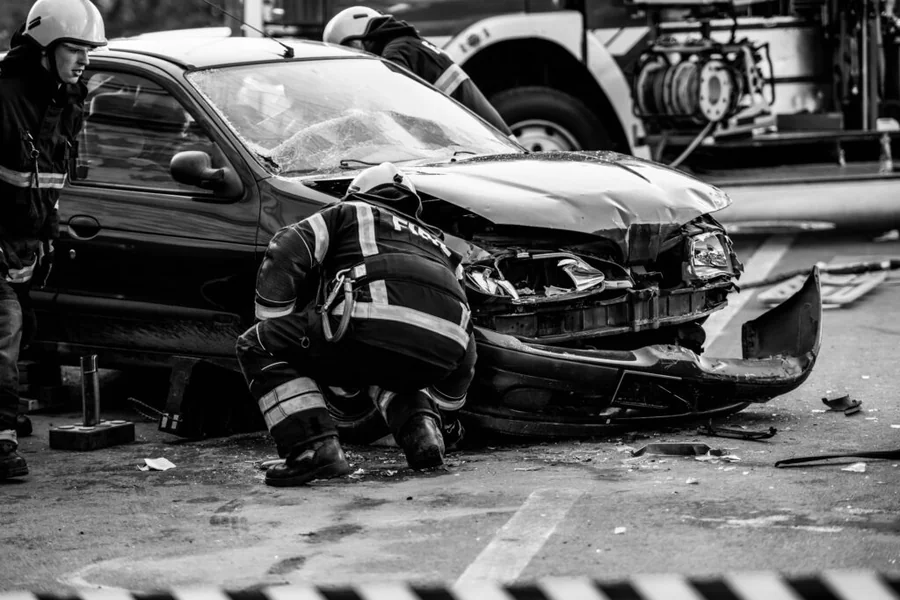
A car crash might leave you feeling shaky, sore and unclear about what to do next. The initial hours are a blur. You could believe that the damage to your car is the complete tale. It doesn’t. Evidence can help paint a picture of how the crash occurred, who might be to blame, and how your injuries affected your life. It can also be harder for an insurer to deny your claim if you have good records. If you have been injured, a DC Car Accident Lawyer can help you obtain and analyze the evidence relating to your case.
Start with the Crash Site
If you are safe after the crash, check the surroundings before leaving the scene. The route may have indications that will be gone later. Photograph the automobiles, street signs, traffic signals, lane markings and the environment. When you can get pictures from numerous angles. I am trying to get:
- Damage to a vehicle
- Your wounds revealed
- Skid markings
- Shattered glass
- Signs and signals.
- Dangers on the road
- Businesses local or camera
Don’t stress about taking great photographs. It’s all about clear and honest photographs. If you may safely do so, write down what happened while it is fresh. A note on your phone can help you later.
The police report might help to tell the story.
Call the police after a crash if appropriate. An officer can take notes on the incident, talk to the drivers, and write down important details. DC law also requires specific details in reports of motor vehicle accidents by the Metropolitan Police Department. That includes if a telephone or other electronic device was being used and whether distraction may have been a factor in the crash. The police report is not the last word on fault. But it can provide useful information for an injury claim. If you receive a copy of the report, save it. Give it to your lawyer and file it with your other documents.
Witnesses Can Fill the Gaps
Sometimes the drivers have quite different memories of the crash. That’s where witnesses can come in. Someone close by could have witnessed the traffic signal. Another driver could have seen the other car shift lanes. Perhaps someone at a nearby shop heard or saw the impact. If safe, ask witnesses for their names and contact information. Do not dispute with the other driver or force the witnesses to take sides. They are not there to decide your case. Their narrative is just another piece to the story.
Video Evidence May Be Huge
Washington, DC is a bustling city with many businesses packed together. Some places may have security cameras in parking lots, highways or entrances. The crash may also be captured on a dashcam. So could a nearby driver’s camera. Video can capture things that you might not see in the moment. It can display the light, vehicle speed, lane position, or impact site. The drawback is that footage may not be retained indefinitely. If you know there might be a camera that filmed the accident, tell your lawyer immediately. The lawyer can analyze what might be done to preserve useful evidence.
Your Medical Records Are Important Too
It’s not only about who caused the crash. It also covers the damage you have taken. See a medical professional after an accident, especially if you experience pain, dizziness, weakness or other symptoms. Some injuries don’t show up immediately. Retain copies of:
- ER records
- Doctor’s appointments
- Testing results
- Prescriptions
- Therapy notes
- Health care costs
- Plans for future care
Describe your symptoms and how they interfere with normal activities to your doctor. Frankly and clearly. Your medical records can help prove a link between your injuries and the crash. They can also demonstrate the attention you need after.
Don’t forget lost wages and other costs
You may find a bad crash hitting you in the wallet before you know it. Maybe you were laid off for a few days. Maybe you need a hand with childcare. Your car may need major repairs. Keep receipts and records of costs related to the crash. Retain pay stubs, employment records, bills for repairs, rental car charges and other costs of this type; Small receipts pile up. Also keep a short record of how your injuries are affecting your day to day life. Take note of missing work, trouble sleeping, limits on activity, or difficulty with daily duties. These details may clarify the real impact of the accident.
Your phone can help, if you use it wisely.
Your phone may be good evidence. Photos, videos, call logs, texts and location data can sometimes help establish timing or occurrences. DO NOT modify or edit images after the crash. Always keep the original files if you can. And also do not post about the accident on social media. A lighthearted post might sometimes be misunderstood. Think twice before saying, “I’m fine,” even if emotionally you mean it. You can still have discomfort that comes later. If you’re unsure, keep your online comments on the crash to yourself.
What If the Insurance Company Calls?
An insurance adjuster may be contacting you shortly after the collision. It’s all right. Don’t feel pushed into making a thorough statement or accepting a settlement, though. You may not know the full extent of your injuries quite yet. Insurance firms look at the evidence while making claims. Medical records, bills, witness statements and other records may all matter. Your images may matter. A lawyer can look at the claim before you make big judgments.
Preserving Evidence – Don’t Wait Too Late
“Time is of the essence after a crash. Witnesses can be hard to come by. Memories can be lost. Video is no longer available. Delaying care can also make it tougher to tie medical records to the event. In the absence of another provision, DC usually has three years to bring actions for injury to real or personal property. Certain claims against the District of Columbia require a substantially shorter notice time. Under DC Code Section 12-309, written notification is normally required within six months for covered claims for unliquidated losses to a person or property. And that makes a difference. There is no single deadline for all DC accident claims.
How a DC Car Accident Attorney Can Help
Gathering evidence sounds straightforward, but the pieces don’t always fit perfectly. An attorney can evaluate the crash report, images, witness statements, medical records, bills, and other evidence. The lawyer can also determine liability and work with the insurance company. Price Benowitz Accident Injury Lawyers, LLP represents motor vehicle injury cases in Washington, DC. Its work involves collisions with cars, trucks, motorcycles, bicycles, buses and pedestrians. The business also represents persons who have significant injuries, including burn and spinal cord injuries. When you’re facing a severe injury and a mountain of bills, you don’t have time to question what evidence counts. A legal review can help you see the way forward more clearly.
Retain Evidence. Keep Your Options Open
After a crash people typically want to put the whole incident behind them. That’s understandable. But spend a little time guarding the facts. Take pictures. Maintain records. Save money on your bills. “Write down what happened.” Get medical help when you need it. Those modest steps can count down the road. If you have been injured by another driver, speaking to an experienced DC auto accident lawyer can help you understand your rights and what to do next.
Frequently Asked Question
1. What is the most useful evidence to collect following an automobile collision in Washington, DC?
Photos, police reports, witness information, medical records, camera footage and spending records all may aid. Each item addresses a different question concerning the crash and its impact.
2. Do you need to take pictures after a DC vehicle accident?
Yes, if it is safe to do so. Photograph the vehicles, the road, traffic signs and signals, injuries and surrounding conditions. Take some photos from different angles.
3. Can I use medical records to support my automobile accident injury case?
Yes. Medical records can reveal your diagnosis, treatment, expenses, and ongoing care. They can also assist in connecting your injuries to the accident.
4. What if my mishap was caught on camera?
Note where the camera is located and advise your lawyer as soon as feasible. Video can provide valuable evidence of traffic signals, vehicle movement, and the crash itself.
5. How long do you have to file a vehicle accident claim in Washington D.C.?
Many DC injury and property claims have a three-year time restriction, but there are exceptions. Claims against the District may have a separate notice requirement of six months. The right deadline depends on your scenario.


