
A garbage disposal is one of the most convenient plumbing fixtures in a modern kitchen, helping homeowners manage small amounts of food waste quickly and efficiently. Because the appliance is used frequently, it can eventually experience problems that affect its performance, create unpleasant odors, or interfere with normal kitchen routines. A disposal that hums without grinding, drains slowly, becomes jammed, leaks water, or stops operating altogether may indicate a mechanical or plumbing issue that needs attention. Ignoring these warning signs can sometimes allow a minor problem to become more complicated, particularly when leaks or drainage restrictions are involved. Professional service can identify the source of the problem, determine whether repair is appropriate, and help restore dependable operation without unnecessarily replacing equipment that may still be serviceable.
Understanding How a Garbage Disposal Works
A garbage disposal is installed beneath the kitchen sink and is connected to the sink drain and household plumbing system. When activated, its internal components break suitable food waste into smaller pieces so that it can move through the drain system with water. Although disposals are designed to handle regular household use, they are not intended to process every type of food material. Hard objects, fibrous materials, grease, excessive amounts of food, and other unsuitable substances can place additional strain on the unit or interfere with drainage. Understanding how the appliance operates can help homeowners recognize unusual behavior before a complete failure occurs. Changes in sound, performance, drainage speed, or water flow may indicate that the disposal or connected plumbing requires professional attention.
Common Signs of Disposal Problems
Garbage disposal problems can appear in several different ways, and recognizing the warning signs early can help prevent more extensive issues. A disposal that produces a humming sound but does not grind may have a jammed internal mechanism or another mechanical problem. If the unit does not respond when the switch is activated, the cause could involve the electrical supply, reset mechanism, switch, wiring, or disposal motor. Unusual grinding, rattling, or knocking sounds can also indicate that something is interfering with the internal components. Slow drainage may suggest a restriction in the disposal or connected drainpipe, while water appearing beneath the sink may point toward a damaged seal, loose connection, or cracked component. Persistent unpleasant odors can sometimes result from food residue trapped inside the unit or drain system. Each symptom should be evaluated according to its cause rather than assuming that replacing the entire disposal is always necessary.
Why Professional Repair Can Be Beneficial
When a garbage disposal begins malfunctioning, homeowners may be tempted to troubleshoot the appliance themselves, but disposal systems involve both plumbing and electrical components. Incorrect handling can create safety concerns or result in additional damage. Professional technicians have the knowledge and equipment needed to inspect the unit, identify the source of the problem, and determine the most appropriate repair. They can examine connections, drainage, mechanical components, and related plumbing to determine whether the issue is isolated to the disposal or connected to another part of the kitchen plumbing system. Professional service can also help distinguish between a repairable problem and a situation where replacement is more practical. This allows homeowners to make decisions based on the actual condition of the appliance instead of replacing equipment unnecessarily.
Dealing With a Jammed Disposal
Jamming is one of the most common issues associated with garbage disposals. A jam can occur when unsuitable food waste or a foreign object becomes lodged within the grinding mechanism. When this happens, the motor may struggle to operate, produce a humming sound, or shut down as a protective response. Continuing to operate a jammed disposal can place additional stress on the motor and other components. Professional technicians can safely determine what is causing the obstruction and assess whether any internal parts have been damaged. Once the immediate issue is addressed, the technician can also check whether the disposal is operating normally and whether the surrounding plumbing has been affected. Prompt attention is especially important when a recurring jam suggests an underlying mechanical or usage-related problem rather than an isolated obstruction.
Addressing Disposal Leaks
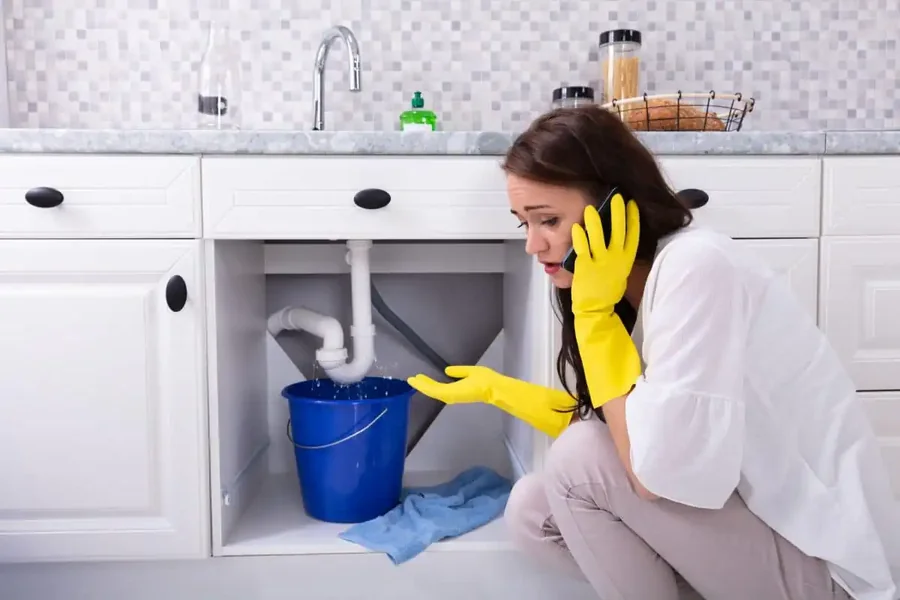
Water leaking from beneath a kitchen sink should never be ignored because even a relatively small leak can damage cabinets, flooring, stored items, and surrounding materials over time. A garbage disposal can develop leaks around several connection points, including the sink flange, discharge connection, drainpipe, or internal seals. Determining the exact source of a leak is important because simply tightening an accessible connection may not solve the underlying issue. A damaged gasket, worn seal, loose mounting component, or cracked housing may require a different solution. Professional inspection can help locate the source and determine the appropriate repair. Addressing leaks promptly can help minimize water damage and prevent a plumbing problem from becoming a larger household maintenance concern.
Slow Draining and Plumbing Restrictions
A disposal that drains slowly may not necessarily have a mechanical failure. In some situations, the problem can involve the drainpipe or connected plumbing. Food particles, grease, residue, and other materials can accumulate within the drainage pathway and restrict water movement. If the sink begins backing up whenever the disposal operates, the restriction may be located farther along the drain system. Professional plumbers can evaluate the disposal and connected piping to determine where the obstruction is located and what method is appropriate for clearing it. Resolving the actual source of the drainage problem is important because repeatedly attempting temporary fixes may leave the underlying restriction unresolved. Proper diagnosis can restore drainage while helping protect the connected plumbing system.
Unusual Sounds Should Not Be Ignored
The sound produced by a garbage disposal can provide useful information about its condition. Normal operation generally produces a consistent grinding or processing sound, while sudden changes may indicate a problem. Metallic rattling can suggest that a hard object has entered the disposal, whereas grinding or scraping sounds may point toward internal component damage. A loud humming sound without normal grinding may indicate that the motor is receiving power but the grinding mechanism cannot turn properly. These symptoms should not be ignored because continued operation under abnormal conditions can potentially worsen mechanical damage. Professional inspection can help identify whether the issue is caused by an obstruction, worn component, motor problem, or another condition and determine whether repair is feasible.
Preventing Unnecessary Disposal Damage
Proper use can significantly influence the service life of a garbage disposal. Homeowners should follow the manufacturer’s recommendations regarding acceptable materials and avoid putting hard, excessively fibrous, or unsuitable items into the unit. Large quantities of food waste should generally be introduced gradually rather than all at once, and adequate water should be used during operation when recommended by the manufacturer. Grease and cooking oils should not be treated as disposal-friendly materials because they can cool and accumulate within drainpipes, potentially contributing to restrictions. Cleaning the disposal according to manufacturer guidance can also help minimize residue and odors. These simple habits can reduce unnecessary strain and may help the appliance perform more consistently over time.
The Importance of Proper Drainage
A garbage disposal does not operate independently from the kitchen plumbing system. Its performance is closely connected to the sink drain, discharge pipe, and other components that carry wastewater away from the property. If any part of this system becomes restricted or damaged, disposal performance may be affected. For this reason, a technician should evaluate the surrounding plumbing when diagnosing recurring disposal problems. A unit that appears to malfunction may actually be responding to a drainage restriction farther downstream. Similarly, a recently installed disposal may perform poorly if the connected plumbing has an existing problem. Considering the entire drainage system provides a more accurate understanding of the situation and can help prevent repeated service calls for the same underlying issue.
Repair or Replacement Considerations
Not every disposal problem requires a new appliance. Some issues may be resolved through adjustments, clearing obstructions, replacing seals, correcting connections, or repairing related plumbing components. However, older units with significant mechanical damage may eventually become less economical to repair. Frequent failures, persistent leaks, severe corrosion, motor problems, or extensive internal damage may indicate that replacement is a more practical long-term option. A professional evaluation can help homeowners compare repair and replacement based on the unit’s condition, age, performance, and expected service life. This approach avoids making a decision based solely on the presence of a problem and instead considers whether restoring the existing appliance is likely to provide dependable future performance.
Professional Garbage Disposal Repair Services
When kitchen disposal problems interfere with normal household activities, timely professional service can make a significant difference. A qualified plumbing professional can inspect the appliance, determine what is causing the malfunction, and recommend an appropriate solution. If you need dependable garbage disposal repair, professional service can help address problems such as jams, leaks, unusual noises, drainage restrictions, motor issues, and faulty connections while also examining related plumbing components. The goal should be to restore safe and reliable operation while identifying any conditions that could cause the same problem to return. Choosing an experienced service provider also gives homeowners an opportunity to receive practical guidance on proper disposal use and maintenance.
Maintaining the Area Under the Sink
The space beneath the kitchen sink is often overlooked, but it contains several important plumbing connections and components. Homeowners should periodically check this area for signs of moisture, corrosion, unusual odors, or standing water. Cleaning supplies and stored household items should be arranged so that they do not place pressure on plumbing connections or interfere with access to the disposal. If water appears after operating the disposal, the source should be investigated rather than simply wiping the cabinet dry. Early detection can make it easier to address small leaks before they cause significant cabinet or flooring damage. Keeping the area accessible also allows technicians to inspect connections more efficiently when professional service is required.
How Regular Plumbing Maintenance Helps
Garbage disposal performance is only one part of overall kitchen plumbing maintenance. Sinks, faucets, supply lines, drainpipes, and other plumbing fixtures all contribute to the proper operation of the kitchen. Regular attention to these components can help homeowners identify small concerns before they become major repairs. Slow drainage, recurring backups, unusual odors, and moisture beneath cabinets can all be signs that something requires inspection. Addressing plumbing issues promptly can help protect fixtures and surrounding materials while supporting reliable everyday operation. Professional plumbers can also provide maintenance recommendations based on the age and condition of the home’s plumbing system.
Improving Kitchen Convenience
A properly functioning garbage disposal can make everyday kitchen cleanup easier by helping manage appropriate food waste and reducing the amount of material placed in the household trash. However, convenience depends on reliable operation. When a disposal frequently jams, leaks, drains slowly, or produces unusual sounds, it can quickly become an inconvenience. Maintaining the appliance and responding to warning signs can help homeowners avoid unexpected disruptions. Professional service provides an effective way to address problems while also checking the surrounding plumbing for conditions that may affect performance. By treating the disposal as part of the larger kitchen plumbing system, homeowners can take a more comprehensive approach to maintaining their fixture.
When to Contact a Professional
Homeowners should consider professional assistance when a disposal repeatedly malfunctions, produces abnormal sounds, leaks, fails to start, causes drainage problems, or shows other persistent signs of trouble. Electrical components and moving parts can make DIY repairs risky, particularly when the cause of the problem is unclear. A professional technician can safely evaluate the system and explain the available options. Early service may also prevent a small issue from developing into more extensive mechanical or plumbing damage. Rather than repeatedly resetting the appliance or using temporary solutions without identifying the cause, professional diagnosis can provide a clearer path toward dependable operation.
Conclusion
A garbage disposal is a small but important part of a functional kitchen, and its performance depends on both the appliance itself and the plumbing system connected to it. Jams, leaks, unusual sounds, slow drainage, electrical problems, and recurring odors can indicate conditions that deserve attention. Proper use and routine maintenance can help reduce unnecessary wear, but professional evaluation becomes valuable when problems persist or the cause is uncertain. Addressing issues early can help protect the disposal, surrounding cabinetry, drain system, and other kitchen components from avoidable damage.Reliable garbage disposal repair can restore convenience and help homeowners determine whether an existing unit should be repaired or replaced. Professional service focuses on identifying the underlying problem rather than simply treating the most obvious symptom, allowing the disposal and connected plumbing to receive the attention they need. With proper care, responsible use, and timely professional assistance when problems develop, homeowners can keep their kitchen drainage system operating more smoothly and reduce the likelihood of unexpected disposal failures.