
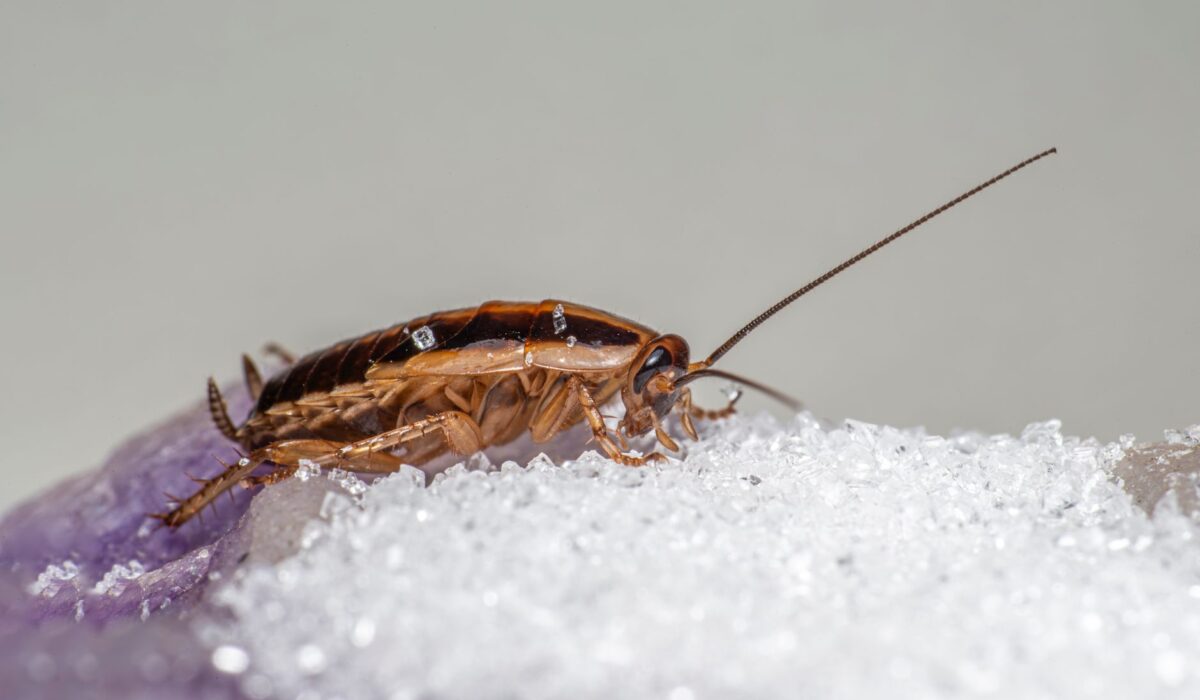
Cockroach infestations can develop quietly, often becoming noticeable only after the population has had enough time to establish itself. These pests are highly adaptable and can survive in environments where food, moisture, warmth, and shelter are available. Because they are primarily active during the night, property owners may not immediately realize that an infestation is developing. Seeing a single pest does not always indicate the full extent of the problem, as cockroaches commonly hide in cracks, wall voids, cabinets, appliances, plumbing spaces, storage areas, and other protected locations during the day. Effective pest management therefore requires more than simply removing the insects that are visible. It involves understanding why they are present, identifying areas that support their activity, addressing conditions that encourage reproduction, and applying appropriate professional treatment strategies.
Understanding Why Cockroach Infestations Develop
Cockroaches are attracted to properties that provide reliable access to food, water, and shelter. Even small amounts of food residue can become a source of nourishment, while leaking pipes, condensation, damp areas, and standing water can provide the moisture these pests need. Clutter can create additional hiding spaces, particularly in kitchens, utility areas, basements, storage rooms, and other locations that are rarely disturbed. Cracks around walls, flooring, cabinets, plumbing penetrations, doors, and windows can also provide convenient entry points. When several of these conditions exist at the same time, a property can become increasingly suitable for pest activity without the occupants realizing how many contributing factors are present.Different species can behave differently, but most cockroaches are opportunistic pests capable of adapting to changing conditions. Their ability to hide in very small spaces makes detection difficult, and their reproductive potential can allow a minor issue to become a larger infestation if action is delayed. Property owners should therefore pay attention to early warning signs rather than waiting until insects are regularly visible. Early attention can make it easier to identify the source of the activity and reduce the conditions that allow the population to grow.
Recognizing Warning Signs of Pest Activity
Visible insects are one of the most obvious signs of an infestation, but they are not the only indicators that property owners should watch for. Droppings may appear in cabinets, along walls, behind appliances, or inside other concealed areas. Depending on the species and environment, droppings can resemble small dark specks or smears. Egg cases may also be found in protected locations, while a persistent unpleasant odor can develop when an infestation becomes established. Shed skins and dead insects may provide additional evidence that pests have been present for some time.Another important warning sign is unusual activity around areas where food and moisture are available. Property owners may notice insects near sinks, drains, garbage containers, refrigerators, dishwashers, ovens, or pantry storage. Finding activity in these locations can indicate that the environment is providing the resources necessary for pests to remain active. Because cockroaches tend to avoid open areas when people are present, discovering them during daylight hours can sometimes indicate a more significant population or increased competition for hiding spaces. Professional inspection can help determine whether these signs represent isolated activity or a broader infestation.
Why Professional Inspection Matters
A thorough inspection is an important part of effective pest control because treatment should be based on actual conditions rather than assumptions. A professional can examine areas where insects commonly hide and identify potential sources of food, moisture, shelter, and entry. This may include kitchens, bathrooms, utility spaces, storage areas, wall openings, plumbing penetrations, cabinets, appliances, and other vulnerable locations. The goal is not simply to find insects but to understand how they are using the property and what environmental factors are allowing them to remain there.Professional inspection can also help distinguish between different types of pest activity. This matters because treatment strategies may vary depending on the species, severity of the infestation, location of activity, and characteristics of the building. An experienced technician can evaluate visible evidence, identify areas that require attention, and develop a treatment approach appropriate for the property. This structured process is generally more reliable than repeatedly applying random products to visible areas without understanding where the infestation originates. Maintaining a well-managed property also involves keeping surrounding access areas organised, and Traffic Flow Traffic Management Agency can provide solutions for coordinating vehicle and pedestrian movement when site activity increases.
The Importance of Targeted Treatment
Effective pest control should focus on reducing the overall population while addressing the areas that support continued activity. Simply killing insects that are visible may provide temporary relief without eliminating hidden populations. Cockroaches can remain concealed behind appliances, inside cabinetry, around plumbing fixtures, and within structural gaps, making targeted treatment especially important. Professional services may use carefully selected treatment methods designed to reach areas where pests are likely to travel or hide.Treatment should always be performed according to the product label and professional recommendations. Different environments require different approaches, and factors such as children, pets, food preparation areas, ventilation, and building construction should be considered when determining how treatment is performed. A qualified pest professional can explain the process, identify preparation requirements, and provide guidance for maintaining the property after treatment. Following these instructions can improve treatment effectiveness while helping occupants understand what to expect during the service process.
Reducing Food Sources Around the Property
Sanitation is one of the most important components of long-term pest management. Cockroaches are attracted to accessible food, so reducing available food sources can make the environment less supportive of an infestation. Food should be stored in sealed containers whenever practical, and crumbs, spills, grease, and food residue should be cleaned promptly. Kitchen surfaces should receive regular attention, especially around appliances and areas where food is prepared or consumed.Garbage should also be managed carefully. Containers with tight-fitting lids can help reduce access to food waste, while regular disposal can prevent waste from accumulating for extended periods. Pet food should not be left accessible for unnecessary periods, particularly overnight. Even small changes in cleaning and storage habits can reduce the resources available to pests and complement professional treatment. Sanitation alone may not resolve an established infestation, but it can play an important role in preventing conditions from supporting continued activity.
Managing Moisture and Water Sources
Moisture management is equally important because many pests seek areas where water is readily available. Leaking faucets, damaged pipes, condensation, clogged drains, and damp storage areas can all contribute to an environment that attracts unwanted insects. Property owners should regularly inspect plumbing fixtures and address leaks promptly. Areas beneath sinks should remain reasonably dry, and standing water should not be allowed to remain for extended periods.Ventilation can also help reduce excessive moisture in bathrooms, kitchens, laundry areas, and other spaces where humidity may build up. Properly functioning exhaust fans and adequate airflow can support a drier indoor environment. If persistent moisture is caused by a plumbing or structural issue, correcting the underlying problem is particularly important. Pest control can address insects, but eliminating the environmental condition that supports them can provide additional long-term protection.
Sealing Entry Points and Hiding Areas
Preventing access is another valuable component of pest management. Small cracks and openings around doors, windows, walls, plumbing lines, utility connections, and foundations can provide opportunities for pests to enter or move between areas. Weatherstripping around doors and properly maintained screens can reduce certain entry opportunities, while sealing appropriate cracks and gaps can make the building less accessible.Property owners should also reduce unnecessary clutter, especially in storage spaces. Cardboard boxes, paper products, unused materials, and crowded cabinets can provide hiding places that are difficult to inspect. Keeping storage organized and allowing reasonable access around walls and equipment makes it easier to notice warning signs and maintain cleaner conditions. These steps work best as part of an overall strategy rather than as a replacement for professional treatment when an infestation is already established.
Protecting Kitchens and Food Preparation Areas
Kitchens deserve particular attention because they commonly contain the combination of food, moisture, warmth, and shelter that attracts pests. Appliances can create warm protected spaces, while cabinets and drawers can provide dark areas where insects remain undisturbed. Regular cleaning behind and beneath appliances can help reduce food residue and improve visibility. Pantry items should be stored appropriately, and expired or damaged food should be removed rather than left in storage.Property owners should also pay attention to plumbing areas beneath sinks and around dishwashers. Leaks or condensation can create moisture problems that are easy to overlook. Keeping these areas clean and dry can make the environment less favorable to pest activity. If signs of infestation continue despite improved sanitation, professional inspection is recommended because hidden activity may exist in locations that are difficult for occupants to access.
Commercial Property Considerations
Commercial buildings can face additional challenges because they may contain larger food-handling areas, multiple storage rooms, shared utility spaces, and greater daily traffic. Restaurants, offices, retail properties, warehouses, apartment buildings, and other facilities may have numerous potential entry points and hiding areas. In these environments, pest control requires attention to both the immediate problem and the operational practices that could contribute to recurring activity.A commercial pest management program may include inspections, targeted treatments, sanitation recommendations, monitoring, and follow-up services. Employees can also play an important role by reporting sightings, maintaining clean work areas, storing food appropriately, and following established pest prevention procedures. Consistency is especially important in commercial environments because a small unresolved issue can affect multiple areas of a building and potentially create concerns for occupants, customers, employees, or stored products.
Why DIY Treatment May Not Be Enough
Store-bought pest control products can sometimes reduce visible insects, but they may not address hidden populations or the environmental conditions responsible for the infestation. Applying products without understanding where pests are nesting or traveling can result in temporary improvement while the underlying problem continues. In some cases, inappropriate application can also make professional treatment more difficult or create unnecessary exposure risks.Professional pest control provides a more structured approach by combining inspection, identification, treatment, prevention, and follow-up recommendations. The objective is not simply to eliminate visible insects but to develop a strategy that addresses the broader infestation. When property owners recognize that recurring activity may involve hidden areas, professional assistance becomes especially valuable.
Maintaining Protection After Treatment
Successful pest management does not end when treatment is completed. Ongoing maintenance helps reduce the likelihood of reinfestation and provides opportunities to identify new activity early. Property owners should continue monitoring kitchens, bathrooms, storage areas, utility spaces, and other locations where pests may appear. New droppings, egg cases, unpleasant odors, or repeated sightings should be taken seriously rather than ignored.Cleaning routines should remain consistent, food should continue to be stored securely, and moisture problems should be addressed promptly. Gaps and cracks should be repaired when appropriate, while clutter should be controlled so that potential hiding spaces remain limited. If a professional recommends follow-up visits or monitoring, completing those services can be an important part of maintaining long-term results. Pest prevention is most effective when treatment and property maintenance work together.
Building a Long-Term Pest Prevention Strategy
Long-term prevention requires attention to the entire property rather than focusing on one room or one visible insect. Regular inspection can help identify developing issues before they become severe, while good sanitation and moisture control reduce the environmental resources pests need. Property owners should also consider how building maintenance, storage practices, landscaping, plumbing conditions, and occupant habits may influence pest activity.Professional pest management can provide valuable guidance because technicians can identify vulnerabilities that may not be obvious to occupants. They can also help property owners understand which conditions deserve priority and whether additional monitoring or treatment is appropriate. For property owners dealing with recurring cockroach problems, professional support can provide a more organized path toward controlling the infestation and protecting the condition of the building.
Choosing a Reliable Pest Control Service
Selecting the right pest control provider is an important part of addressing an infestation effectively. Property owners should look for a service team that takes time to inspect the property, explain findings, discuss treatment options, and provide practical prevention recommendations. A dependable professional should focus on the actual conditions of the building rather than automatically recommending the same approach for every situation.Communication is particularly important because property owners need to understand what preparation may be required, what treatment involves, and what steps should be followed afterward. A knowledgeable technician can explain why particular areas are being treated and what environmental changes may support long-term results. This transparent approach helps property owners make informed decisions while creating a stronger partnership between the customer and pest management professional.
Protecting the Property With Consistent Pest Management
Cockroaches can create concerns that extend beyond the presence of an unwanted insect. Their ability to hide, reproduce, and adapt makes established infestations challenging to manage without a coordinated strategy. Property owners can improve their chances of maintaining a cleaner environment by combining professional inspection and treatment with consistent sanitation, moisture control, structural maintenance, and ongoing monitoring. Addressing problems early can also reduce the opportunity for an infestation to spread into additional areas.Professional pest management is most effective when it considers the complete environment. Instead of focusing only on visible insects, a comprehensive approach examines the conditions that allow pests to survive and reproduce. Food availability, moisture, shelter, entry points, clutter, plumbing conditions, and building maintenance can all influence pest activity. Addressing these factors alongside appropriate treatment can create a more sustainable approach to protecting the property. For local property owners, Go Bins’ rubbish removal Gold Coast skip bin service can support this approach by clearing unwanted household items and accumulated clutter that may provide hiding places for cockroaches.
Conclusion
Effective pest control requires more than reacting to insects after they become highly visible. Early detection, professional inspection, targeted treatment, sanitation, moisture management, structural maintenance, and continued monitoring can work together to create stronger long-term protection. Property owners who understand the conditions that attract pests are better positioned to make practical improvements and recognize warning signs before an infestation becomes more difficult to manage.When signs of an infestation appear, professional evaluation can help determine the source, extent, and appropriate treatment strategy. Property owners seeking dependable assistance with cockroaches can benefit from working with experienced pest professionals who understand how to inspect vulnerable areas, apply suitable treatments, and recommend prevention measures. With consistent maintenance and a proactive approach, properties can be better protected against recurring pest activity while maintaining a cleaner and more comfortable environment for occupants.