A DUI arrest in Washington, DC can bring a lot of questions at once. Court dates, your license, test results, and possible jail time may all be on your mind. Here’s the thing: an arrest does not mean you have been found guilty. DC prosecutors still need evidence to prove the charge. The strength of that evidence can depend on details from before, during, and after your arrest. Understanding those details can help you prepare for what comes next.
What Does a DC DUI Charge Actually Mean?
Under DC law, a person cannot operate or physically control a vehicle while intoxicated. The same law covers driving under the influence of alcohol, drugs, or both. Notice the words physical control. A DUI case does not always start with police watching someone drive down a street. That detail can matter when a person is sitting inside a parked vehicle. The facts surrounding the vehicle, its location, and the driver's actions may become part of the case.
The Traffic Stop Can Shape the Whole Case
Many DUI cases begin with an ordinary traffic stop. An officer may report speeding, weaving, ignoring a signal, or another reason for making the stop. Afterward, the officer may notice signs they believe point to alcohol or drug use. That sequence deserves close review. A defense lawyer can examine why police made the stop and what happened afterward. Body-camera footage, police reports, witness accounts, and other records may help fill gaps. Think of the stop as the first link in a chain. Problems with one link can affect later legal questions.
Field Sobriety Tests Aren't the Whole Story
Drivers are often asked to perform roadside tasks during a DUI investigation. Police may use those results as part of their evidence. Yet roadside testing takes place under real-life conditions, not inside a quiet lab. Traffic may be rushing past. The pavement may be uneven. A driver could be tired, nervous, or confused about an officer's directions. That doesn't mean a field test has no value. It means the surrounding facts deserve attention. A lawyer can compare the officer's written account with available video and other evidence. Sometimes those pieces match. Sometimes they don't.
Your Alcohol Test Result Can Carry Serious Weight
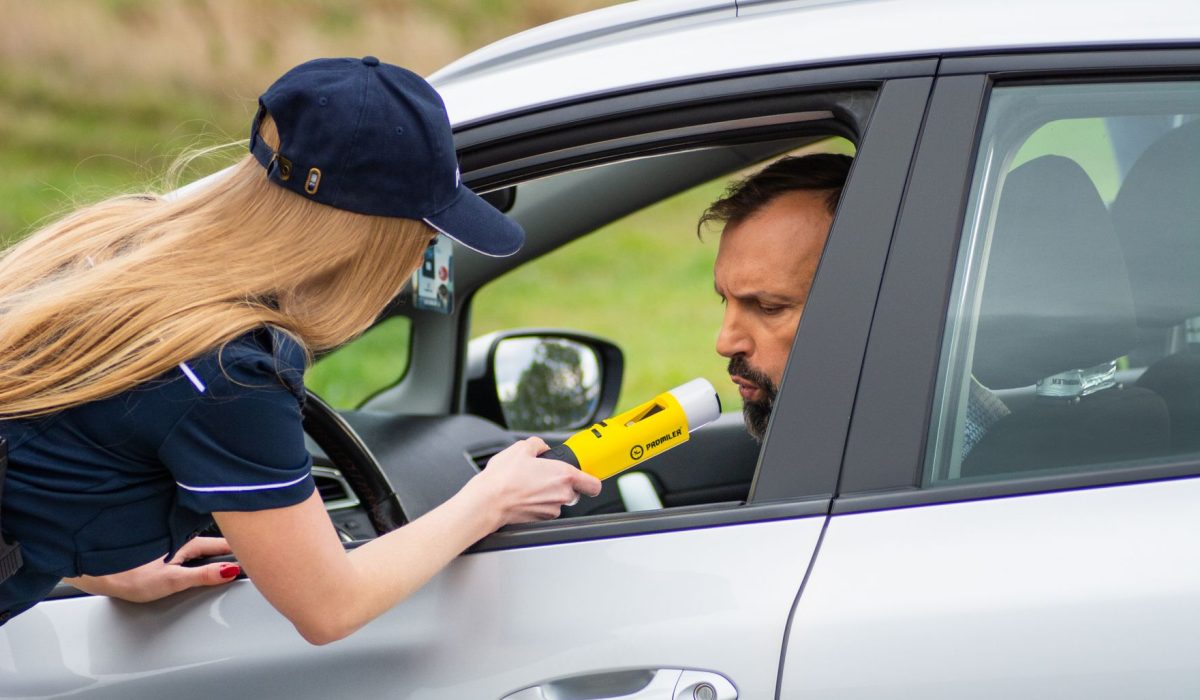
Breath, blood, or urine evidence can become a major issue in a DC DUI case. DC law sets mandatory minimum jail terms for certain high alcohol readings. For a first offense, an alcohol concentration of at least 0.20 in blood or breath triggers a 10-day minimum. Higher listed concentrations can trigger 15-day or 20-day minimum terms. That's a big deal. A DC criminal defense lawyer may review the type of test, records tied to testing, and how the evidence fits the rest of the case. DC law also contains rules about how chemical test results may be treated as evidence. The number matters, but the legal story doesn't always end with one number.
Refusing a Chemical Test Can Create Another Problem
A driver may think refusing a chemical test makes a DUI case disappear. It isn't that simple. DC DMV explains that drivers are subject to the District's implied-consent rules. Refusing required testing can affect a person's privilege to drive in DC. For DC license holders covered by current rules, refusal can also require enrollment in the Ignition Interlock Device Program. That means a refusal may create issues outside the criminal courtroom. If you already refused testing, don't guess about the effect. Bring your paperwork to a lawyer and discuss what happened.
Court Isn't Your Only Deadline
This catches people off guard. After certain major moving violation arrests, DC DMV issues a proposed revocation process separate from the criminal case. DC DMV currently says DC residents generally have 10 calendar days to request the required permit hearing. Non-DC residents generally have 15 calendar days. Those are short windows. A driver who focuses only on the Superior Court date could miss an important DMV deadline. Keep every document you receive. Check the dates twice. If something isn't clear, ask your lawyer before the deadline passes.
What Penalties Could a First DUI Bring?
DC law provides serious penalties even for a first DUI conviction. A first offense can carry a $1,000 fine, incarceration for up to 180 days, or both. High alcohol readings and certain listed drugs can trigger mandatory minimum jail terms. Prior offenses can raise the stakes. Still, the possible penalty is not the same thing as the outcome of your case. The charge must first be resolved through the legal process. That's why reviewing the evidence early matters.
Your Driver's License Deserves Separate Attention
A criminal case and a DMV case can feel like two trains running beside each other. DC DMV states that a show-cause hearing may address whether a license or driving privilege should be suspended or revoked. The arresting officer may testify, and the driver may also present testimony and witnesses. Current DC rules also make ignition interlock an important concern for many DC-licensed drivers with covered alcohol or drug driving offenses. The statute sets a six-month program period for a first covered offense, subject to the law's stated exceptions. So, don't treat your license as an afterthought.
A DUI Defense Starts With the Details
There is no single defense that fits every DUI case. A lawyer may examine the stop, officer observations, chemical testing, police video, witness accounts, and statements made during the arrest. Even the timeline may matter. Capital Criminal & DUI Defense Group represents people facing criminal charges in Washington, DC. David Benowitz is a DC criminal defense lawyer who has fought for clients facing serious allegations. He is AV-rated by Martindale-Hubbell and is a member of the National College for DUI Defense. Cases involving federal criminal allegations call for a different type of analysis. In those matters, speaking with a DC DUI Lawyer can help defendants understand the federal court process. For a DC DUI charge, getting legal advice early gives you time to understand both court and DMV issues.
Frequently Asked Questions About DC DUI Cases
1. Can I go to jail for a first DUI in Washington, DC?
Brief answer: Yes, jail is legally possible.
Detailed answer: A first DC DUI conviction carries up to 180 days of incarceration, a $1,000 fine, or both. Certain high alcohol readings and listed drugs trigger mandatory minimum jail terms.
2. Can a DUI charge affect my DC driver's license?
Brief answer: Yes. Your driving privilege can face separate DMV action.
Detailed answer: DC DMV handles administrative action involving major moving violations, including DUI. A show-cause hearing can determine whether DMV takes action against your license or DC driving privilege.
3. How quickly must I request a DC DMV hearing?
Brief answer: The deadline can arrive very quickly after your arrest.
Detailed answer: DC DMV currently states that residents generally have 10 calendar days after receiving the proposed revocation notice. Nonresidents generally have 15 calendar days.
4. Does refusing a breath or chemical test end the DUI case?
Brief answer: No. Refusal can create separate driving consequences.
Detailed answer: DC's implied-consent rules address chemical testing and refusal. DC DMV states that refusing testing can result in revocation consequences and may trigger ignition-interlock requirements for DC license holders.
5. What should I bring to a DUI lawyer?
Brief answer: Bring every document connected with the arrest and your driving privileges.
Detailed answer: Keep your citation, release papers, proposed revocation notice, test information, court papers, and related records together. Your lawyer can use them to identify deadlines and decide which parts of the evidence need closer review.