
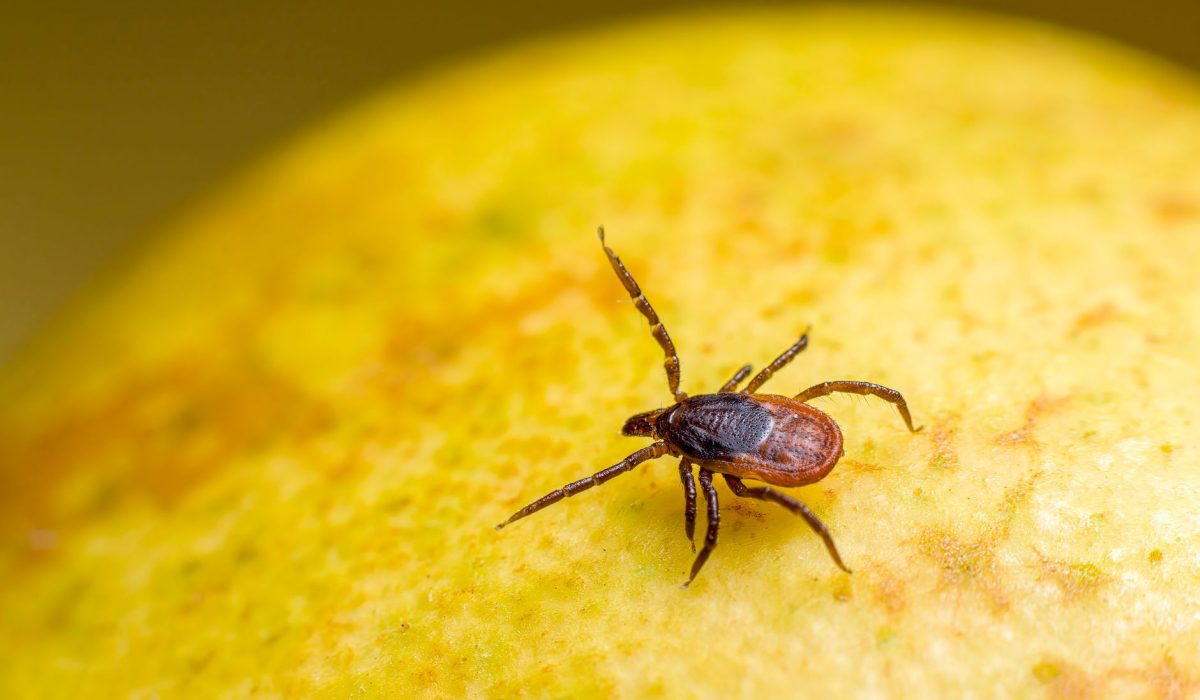
Bed bug infestations can turn a comfortable home, apartment, hotel room, or workplace into a stressful environment. These small, persistent pests are difficult to detect during the early stages because they hide in narrow cracks, furniture joints, mattress seams, box springs, bed frames, baseboards, and other protected areas. Once established, they can spread through clothing, bedding, luggage, furniture, boxes, and other belongings. The Environmental Protection Agency explains that bed bugs are excellent hitchhikers and can survive for months without feeding, which makes early detection and consistent control especially important.
For property owners and residents, discovering an infestation often leads to questions about where the pests came from, how serious the problem is, and whether household cleaning alone will eliminate them. Effective control requires more than simply spraying a visible insect. Bed bugs can remain hidden from ordinary cleaning efforts, while eggs may survive certain treatment attempts and later hatch. A professional pest management approach can provide a more systematic way to identify affected areas, treat hiding places, monitor activity, and reduce the possibility of continued infestation.
Understanding the Bed Bug Problem
Bed bugs are small parasitic insects that feed on blood. They are especially active when people are resting or sleeping, which is why bedrooms are common areas where signs of an infestation are first noticed. However, they are not limited to mattresses. They can hide in bed frames, upholstered furniture, cracks, electrical areas, carpet edges, curtains, luggage, and other locations close to people.One of the biggest challenges is that the insects are very good at remaining concealed. A person may notice unexplained bites or small marks on bedding before actually seeing a live pest. Other signs can include dark spotting, shed skins, eggs, eggshells, or live insects around mattress seams and furniture. Because several other insects can look similar, confirming the pest before beginning a treatment program is an important first step.An infestation can also become more complicated when people move furniture or belongings from one room to another. Moving potentially infested items without proper precautions can spread the pests into previously unaffected areas. The EPA recommends reducing clutter carefully and avoiding unnecessary movement of items from an infested space to another area.
Why Early Detection Matters
Early detection can make bed bug management more manageable. A small infestation may be concentrated around a sleeping area, while a more established infestation can involve bedrooms, living rooms, closets, furniture, and adjoining spaces. Identifying the problem quickly gives property occupants and pest professionals an opportunity to determine the extent of activity before the insects become more widely distributed.Routine inspections are particularly useful when there are signs that something may be wrong. Checking mattress seams, box springs, bed frames, upholstered furniture, cracks, and other potential hiding places can reveal evidence that might otherwise go unnoticed. Professional inspections can also help identify locations that are difficult for an untrained person to evaluate.It is important not to assume that every bite or skin irritation is caused by bed bugs. Proper identification should come before treatment because fleas, ticks, mosquitoes, and other insects can produce similar symptoms. The EPA recommends confirming the pest rather than immediately beginning treatment based only on suspected bites.
Common Signs of an Infestation
Recognizing the signs of bed bugs can help property owners respond sooner. Live insects are one of the clearest indicators, but they are not always easy to find. Other evidence can appear around sleeping and resting areas.Small dark stains on sheets or mattresses may indicate bed bug activity. Shed skins can also accumulate as the insects mature. Tiny eggs or pale eggshells may be found in protected cracks and crevices. Some people may notice a musty or unusual odor when an infestation becomes significant, although odor alone should not be considered reliable proof.
Bites can be another warning sign, but they should not be used as the only method of identifying an infestation. Some people have little or no noticeable reaction to bites, while others may develop irritation or swelling. Consequently, inspecting the environment for physical evidence is more reliable than relying exclusively on skin symptoms.If multiple signs appear, avoiding unnecessary movement of bedding, clothing, mattresses, or furniture is important. Professional evaluation can help determine which areas require treatment and which belongings may need special handling.
Why DIY Treatment May Not Solve the Problem
Many people initially try household sprays, repeated vacuuming, washing, or other home remedies when they suspect bed bugs. While certain cleaning and physical control measures can reduce activity, a complete infestation can be difficult to eliminate without a comprehensive strategy. The EPA notes that controlling bed bugs can take time and patience because their biology and resistant eggs make eradication challenging.Another problem with DIY treatment is incomplete coverage. Bed bugs can hide deep inside furniture joints, cracks, wall areas, mattress seams, and other locations that are difficult to reach. Treating only the mattress, for example, may leave insects elsewhere in the room untouched.Improper pesticide use can also create unnecessary risks. Products should only be used according to their labels and for approved applications. The EPA specifically warns against relying on foggers or bug bombs as the sole treatment method because the spray may not reach the cracks and crevices where bed bugs hide.For these reasons, professional pest control can be valuable when an infestation has been confirmed or when repeated home treatments have failed.
The Importance of a Professional Inspection
A thorough inspection is the foundation of an effective bed bug treatment plan. Before treatment begins, pest professionals can evaluate areas where bed bugs are likely to hide and look for evidence of active infestation. This process helps determine whether activity is isolated or has spread to additional furniture and rooms.Inspection may involve examining mattress seams, box springs, headboards, bed frames, upholstered furniture, baseboards, cracks, and other protected areas. The surrounding environment should also be considered because bed bugs can travel beyond the immediate sleeping area.A professional inspection also helps create a treatment strategy based on the specific circumstances of the property. The severity of the infestation, amount of clutter, construction features, furniture arrangement, and previous treatment attempts can all affect how control should be approached. According to the EPA, treatment effectiveness can vary depending on infestation size, preparation, treatment coverage, life stages present, and pesticide resistance.
Preparing for Bed Bug Treatment
Preparation plays an important role in successful pest management. Property occupants may be asked to reduce clutter, organize belongings, launder certain fabrics, vacuum affected areas, and follow specific instructions provided by the pest professional.
Clutter should be handled carefully rather than simply moved into another room. Clothing and bedding that can safely tolerate a high-temperature dryer may be treated according to appropriate guidance. The EPA states that placing bedding and clothing in a dryer at high temperatures for 30 minutes can kill bed bugs, while washing alone may not reliably eliminate them.Mattress and box-spring encasements may also be useful as part of a broader control program. Properly designed encasements can reduce hiding places and help contain insects inside the mattress or box spring. Bed bug interceptors can provide another monitoring tool by helping detect insects attempting to climb onto furniture.
Preparation should always be coordinated with the treatment plan. Randomly throwing away furniture or moving belongings throughout the property can make the situation worse rather than better.
Integrated Pest Management for Bed Bugs
Integrated Pest Management, commonly called IPM, is a comprehensive approach that combines multiple control methods rather than depending on one product or technique. For bed bugs, IPM can include inspection, monitoring, sanitation, clutter reduction, physical controls, heat or steam treatments where appropriate, protective encasements, and carefully selected pesticide applications.This approach is useful because bed bugs can exist at different life stages and occupy different hiding locations. A single treatment may not address every insect or egg. Continued monitoring and follow-up can therefore be an important part of the overall strategy.The EPA describes IPM as an approach that uses available pest control options while considering the pest's life cycle, environment, and potential risks. For bed bugs, combining chemical and non-chemical techniques can be more effective than relying on only one approach.Professional pest management services can help coordinate these steps so that treatment is based on inspection findings rather than guesswork.
Choosing Professional Bed Bug Control
When searching for a pest control provider, property owners should look for a company that takes the entire infestation into consideration. A quality service should begin with inspection and identification rather than immediately recommending a generic spray.A professional provider should also explain the treatment process, preparation requirements, follow-up expectations, and monitoring procedures. Clear communication helps residents understand what they need to do before and after service.Experience matters as well because bed bug treatment requires attention to detail. Professionals need to understand common hiding areas, recognize evidence of infestation, apply treatments safely, and determine whether additional service may be necessary. The goal should not simply be to kill visible insects but to address the infestation as comprehensively as possible.If you are looking for professional help with bed bugs , working with an experienced pest control provider can give you a structured approach to inspection, treatment, and follow-up. Professional assistance can be especially valuable when an infestation has persisted despite previous treatment attempts or when activity has appeared in multiple areas.
Treatment Should Include Follow-Up and Monitoring
Bed bug control should not always be viewed as a one-day process. Depending on the circumstances, follow-up inspections or additional treatments may be necessary. Eggs that were not eliminated during an initial treatment can hatch later, which is one reason continued monitoring is important.After treatment, residents should remain alert for new evidence. Monitoring devices, inspections, and professional follow-up can help determine whether activity has actually stopped. The EPA recommends continued inspection and monitoring because successful control may require repeated steps, particularly when eggs remain or when the infestation was extensive.
A follow-up program also provides an opportunity to identify reinfestation early. If new activity appears, addressing it quickly may prevent another widespread problem.
Preventing Future Infestations
Once an infestation has been controlled, prevention becomes an important part of protecting the property. Bed bugs can enter homes through luggage, used furniture, clothing, boxes, and other belongings. They are not an indication that a property is dirty, and cleanliness alone does not guarantee protection from them.When purchasing used mattresses, couches, chairs, or other furniture, inspect them carefully before bringing them indoors. Travelers should inspect luggage and belongings after trips and avoid leaving suitcases in areas where bed bugs could easily access sleeping spaces.Reducing clutter also helps because fewer hiding places make inspections and monitoring easier. Regular vacuuming can help remove insects that may have entered the environment, although vacuuming alone should not be considered a complete treatment for an established infestation. The EPA recommends precautions such as inspecting secondhand furniture, reducing clutter, using mattress encasements, and vacuuming regularly.In multi-unit buildings, prevention can require additional cooperation because insects may move between nearby areas. Property managers and occupants should communicate quickly when bed bug activity is suspected so that affected and surrounding spaces can be assessed appropriately.
Protecting Your Home, Family, and Belongings
One of the most important things to remember during a suspected infestation is to avoid panic. Throwing away mattresses, furniture, clothing, and other belongings without a treatment plan can be expensive and may even spread the infestation if contaminated items are transported through the property.Instead, identify the problem, isolate affected items when possible, and follow a structured treatment plan. Professional pest control can help determine which belongings can be treated and which areas require additional attention.
The objective is not simply to remove visible insects. Effective bed bug management focuses on finding hidden activity, addressing different life stages, preventing spread, and monitoring the property after treatment. This comprehensive approach can provide better long-term results than repeatedly treating only the areas where insects happen to be visible.
Why Professional Service Can Make a Difference
Bed bugs are persistent pests that require patience, attention to detail, and an organized treatment strategy. Their ability to hide in small spaces and travel through belongings makes them particularly challenging for property occupants to manage alone.Professional pest control can bring inspection experience, specialized treatment methods, safety procedures, and follow-up planning to the situation. Rather than guessing where the insects may be hiding, trained technicians can evaluate the property and develop a strategy based on the evidence they find.For homeowners, renters, property managers, and businesses, professional service can also reduce the stress associated with trying multiple unsuccessful treatments. A clear plan provides direction and helps everyone understand the steps necessary for successful control.
Take Action Before the Infestation Grows
A suspected bed bug infestation should not be ignored. Because these pests can hide effectively and spread through personal belongings, delaying inspection can allow the problem to become more difficult to manage. Early identification, careful preparation, targeted treatment, and continued monitoring are important components of a successful control strategy.Professional bed bugs treatment should focus on the entire infestation rather than only the insects that are easy to see. A comprehensive approach can combine inspection, physical control, environmental preparation, appropriate treatment methods, and follow-up monitoring to address current activity and reduce the risk of recurrence.
Conclusion
Bed bug infestations can be frustrating, but they can be managed with the right strategy. Understanding the signs, confirming the pest, avoiding unnecessary movement of belongings, preparing the property properly, and using an integrated pest management approach can all contribute to better results. Professional pest control can provide valuable assistance when infestations are established, widespread, or resistant to previous treatment attempts.The key is to respond methodically rather than relying on quick fixes. Bed bugs can survive in hidden locations and may require repeated attention, so inspection and monitoring should remain part of the process even after visible activity decreases. With professional guidance and cooperation from everyone involved, property owners can take practical steps toward eliminating the infestation and restoring a cleaner, more comfortable living environment.