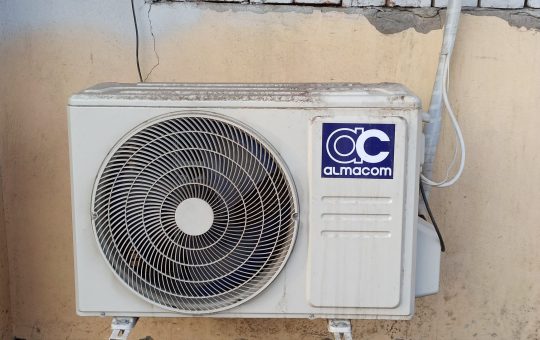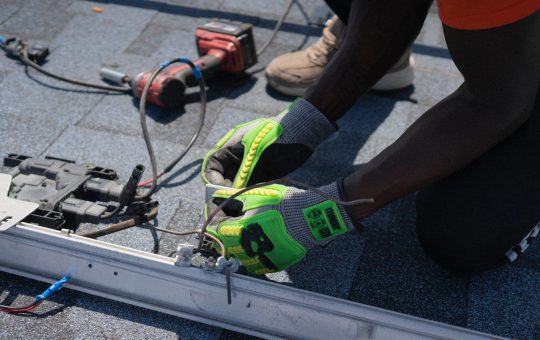
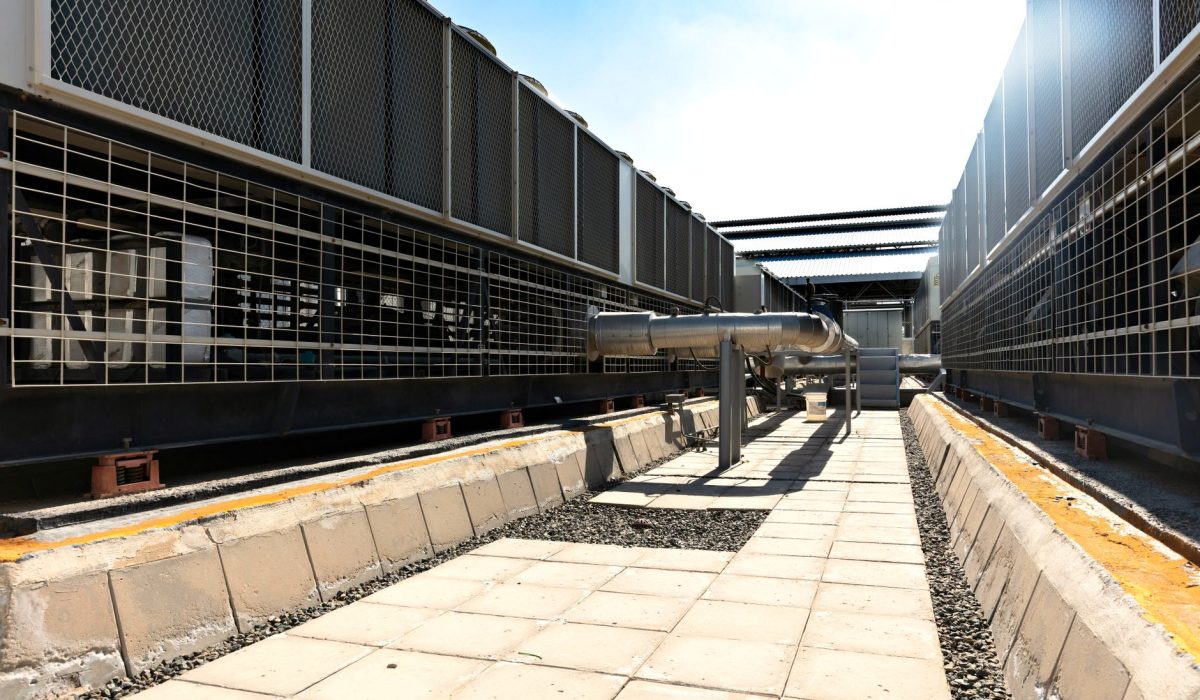
Heating and cooling systems are essential to maintaining a comfortable and functional indoor environment throughout the year. Whether a property relies on a central air conditioning system, furnace, heat pump, ductless unit, or another type of equipment, every component must work together properly to provide dependable temperature control. HVAC equipment is responsible for more than simply producing warm or cool air because it also depends on airflow, electrical connections, thermostats, filters, mechanical components, and other systems that influence overall performance. When one part of the system is not functioning efficiently, it can affect comfort throughout the property and may place additional strain on the equipment. For this reason, regular professional care is an important part of protecting heating and cooling equipment, supporting efficient operation, and identifying potential concerns before they become more disruptive or expensive to address.Many homeowners and property managers wait until their heating or cooling system stops working before contacting a professional. While repair services are important when unexpected problems occur, a proactive approach can provide several advantages. Routine inspections and service visits allow trained technicians to evaluate equipment performance, inspect important components, and identify signs of normal wear or developing issues. This can give property owners a better understanding of their system and help them make informed decisions about repairs, adjustments, or future equipment needs. A well-planned approach to system care may also support more consistent indoor temperatures and reduce the likelihood of discovering preventable concerns during periods of heavy system use.
Why Professional System Care Is Important
Heating and cooling equipment experiences regular use throughout its service life, and this use naturally places stress on mechanical and electrical components. Filters can collect dust and airborne particles, moving parts can experience wear, electrical connections may require inspection, and airflow can become restricted for different reasons. Even small changes in system performance can gradually affect efficiency and comfort if they are not addressed. Professional service provides an opportunity to examine these areas and determine whether the equipment is operating as expected. Rather than focusing on only one visible component, a qualified technician can consider the overall condition of the heating and cooling system and identify factors that may influence performance.The value of routine service becomes particularly clear during periods of increased demand. Heating equipment may work harder during colder weather, while air conditioning systems can experience longer operating cycles when outdoor temperatures rise. If the equipment has not been inspected for an extended period, minor concerns may become more noticeable when the system is required to operate consistently. Professional care can help property owners prepare their equipment for regular seasonal use and address maintenance needs before a problem causes significant discomfort. Although no service can guarantee that every future repair will be prevented, routine attention can provide valuable information about the condition of the system and allow potential concerns to be addressed at an earlier stage.
Understanding the Role of hvac maintenance
A complete approach to hvac maintenance involves more than a simple visual inspection. Modern heating and cooling systems contain numerous components that must work together to provide reliable indoor comfort. During a professional service visit, technicians may evaluate system operation, airflow, filters, electrical components, controls, mechanical parts, and other areas that influence performance. The specific services required can depend on the type of equipment, its age, its operating history, and the needs of the property. A professional evaluation allows the technician to identify concerns based on the actual condition of the system instead of relying on assumptions or applying the same solution to every property.Routine service can also help identify changes that may not yet be obvious to the property owner. A system may continue operating even when one component is beginning to experience problems. Reduced airflow, longer operating cycles, unusual sounds, inconsistent temperatures, or changes in energy use can sometimes indicate that the equipment should be evaluated. Property owners may not always know what these signs mean, which is why professional assessment is valuable. A qualified technician can inspect the equipment, explain what was found, and provide recommendations based on the specific condition of the system. This allows homeowners and businesses to make more informed decisions about current maintenance needs and future service planning.
Supporting Better Energy Efficiency
Energy efficiency is an important consideration for anyone responsible for operating a heating and cooling system. HVAC equipment can represent a significant portion of a property's energy use, particularly during periods when the system operates for many hours each day. When equipment is struggling with restricted airflow, neglected components, or other performance concerns, it may require more time and energy to maintain the desired indoor temperature. Improving system efficiency is not always about making one major change. In many cases, it involves paying attention to the different factors that influence how effectively the equipment operates.Professional service can help identify conditions that may affect efficiency, including airflow restrictions, component wear, thermostat concerns, and other operational issues. Filters should also be replaced according to appropriate recommendations because excessive buildup can restrict the movement of air through the system. Property owners can support efficient operation by keeping supply and return vents accessible and avoiding unnecessary obstructions around HVAC equipment. Outdoor units should be kept reasonably clear of leaves, vegetation, and debris that could interfere with normal airflow. These basic practices, combined with professional inspections, can help support more consistent system operation and improve awareness of changes that may require additional attention.
The Importance of Proper Airflow
Airflow plays a central role in the performance of any heating and cooling system. A unit may be capable of producing conditioned air, but the overall comfort of the property can still be affected if that air cannot move effectively through the building. Ductwork, filters, vents, registers, fans, and other components all contribute to the distribution of heated or cooled air. When airflow is restricted, some rooms may feel significantly different from others, and the HVAC system may need to operate longer to achieve the desired temperature. This can affect both comfort and overall equipment performance.Property owners should pay attention to signs of airflow problems, including weak air coming from vents, uneven temperatures between rooms, frequent system cycling, or areas that never seem to reach the thermostat setting. Some causes may be relatively simple, while others may require a more detailed professional evaluation. Furniture, storage items, or other large objects should not block important vents and registers. Filters should also be checked regularly, but more complex concerns involving equipment or ductwork should be evaluated by a trained technician. Understanding airflow as part of the complete HVAC system can help property owners recognize why professional care should consider more than the heating or cooling unit alone.
Protecting the Service Life of HVAC Equipment
Heating and cooling equipment is a major investment for many property owners, which makes long-term system care an important consideration. Every HVAC system will eventually experience normal wear and may ultimately require replacement, but the way equipment is maintained can influence how effectively it performs throughout its service life. Components that are allowed to operate under unnecessary strain may experience additional wear, while unresolved issues can sometimes affect other parts of the system. Regular inspections provide an opportunity to monitor equipment condition and address maintenance needs before they become more significant.Professional hvac maintenance can support a more organized approach to equipment care by helping property owners understand the current condition of their systems. During service visits, technicians can identify signs of wear and explain whether particular components require attention. This information can be especially valuable for older equipment because property owners may need to plan for future repairs or eventual replacement. Having a clear understanding of the system's condition can make it easier to budget for upcoming needs instead of facing unexpected decisions during a complete equipment failure.
Maintaining Consistent Indoor Comfort
Indoor comfort involves more than setting a thermostat to a preferred temperature. A comfortable property depends on consistent airflow, balanced heating and cooling performance, appropriate humidity levels, and properly functioning equipment. When an HVAC system is not operating efficiently, occupants may notice that some rooms feel warmer or cooler than others. They may also experience inconsistent airflow or longer operating cycles. These concerns can make a property less comfortable even when the system continues to run.Professional service can help identify some of the factors that contribute to uneven comfort. The cause may involve equipment performance, airflow, thermostat settings, ductwork, insulation, or other building conditions. Instead of simply increasing or decreasing the thermostat setting, a more complete evaluation can help determine why the problem is occurring. Addressing the actual cause may provide better long-term results and help prevent unnecessary strain on the heating and cooling equipment.
Indoor Air Quality and System Care
Indoor air quality is another important consideration connected to heating and cooling systems. The air inside a property can be affected by dust, outdoor pollutants, pets, household activities, humidity, ventilation, and other factors. HVAC equipment plays a role because air moves through the system during normal operation. Filters can help capture certain airborne particles, while airflow and ventilation can influence how indoor spaces feel.Property owners who have concerns about indoor air conditions should consider a complete evaluation instead of assuming that one solution will address every issue. Depending on the situation, a professional may recommend evaluating filtration, ventilation, humidity, ductwork, or other HVAC-related factors. Proper equipment care can support cleaner and more comfortable indoor conditions, but the most effective solution should be based on the specific needs of the property.
Preparing Equipment for Seasonal Demands
Seasonal preparation is an important part of responsible HVAC care because heating and cooling equipment may experience significantly different demands throughout the year. A system that has been operating lightly may suddenly be required to run for extended periods when temperatures change. Preparing equipment before a high-demand season can provide an opportunity to inspect important components and evaluate overall performance.A professional service visit can help determine whether the equipment is ready for increased use. Technicians can inspect operational components and discuss any concerns that may affect reliability. The timing of service may vary depending on equipment type and the needs of the property, but maintaining a regular schedule can help avoid the practice of waiting until something goes wrong. Businesses may also benefit from a structured maintenance plan because commercial systems often operate for longer periods and may serve larger or more complex spaces.
Recognizing Signs That Service May Be Needed
Property owners should not wait for a complete system failure before seeking professional assistance. Changes in normal operation can provide useful warning signs that the HVAC system may need attention. Unusual sounds, reduced airflow, inconsistent temperatures, frequent cycling, unexpected odors, or unexplained increases in energy use can all be reasons to schedule an evaluation. Water around certain equipment components or repeated thermostat problems should also be addressed appropriately.Some issues may be minor and easy to resolve, while others can require more detailed repairs. The most important step is avoiding the assumption that a noticeable change will automatically correct itself. A professional inspection can help identify the source of the concern and provide recommendations based on the actual condition of the equipment. Prompt attention may help prevent a small issue from becoming more disruptive to comfort or system performance.
Choosing a Qualified HVAC Professional
The quality of professional service can have an important influence on the long-term care of heating and cooling equipment. A qualified HVAC service provider should evaluate the specific system, listen to concerns from the property owner, and explain findings clearly. Good communication is important because property owners should understand what was discovered and why a particular service or repair may be recommended.Experience with the appropriate equipment type is also valuable. Different systems can have different operating requirements, and commercial equipment may involve considerations that are different from residential systems. A professional who understands the equipment can provide recommendations that are relevant to the property's actual needs. Building a long-term relationship with a reliable service provider may also make future maintenance easier because service records and previous system concerns can provide useful information over time.
Creating a Practical Equipment Care Plan
A successful approach to HVAC care combines professional service with simple steps performed by the property owner. Homeowners and business owners do not need to perform complex technical work to remain aware of their system's condition. Monitoring system performance, changing filters when appropriate, keeping vents accessible, and reporting unusual changes can all support better equipment care.Professional hvac maintenance should remain an important part of the overall plan because trained technicians can perform inspections and services that go beyond basic property owner responsibilities. Keeping records of previous service visits, repairs, and noticeable performance concerns can also be useful. This information may help technicians understand the history of the system and identify patterns that could influence future recommendations. A practical maintenance strategy should be based on the equipment, the property's needs, and the way the system is used.
Conclusion
A dependable heating and cooling system can make a significant difference in the comfort, efficiency, and overall indoor environment of a property. Because HVAC equipment depends on multiple components working together, regular attention is essential to supporting reliable performance. Waiting for a complete breakdown can create unnecessary inconvenience, while proactive care provides an opportunity to monitor equipment condition and address concerns before they become more disruptive.Property owners can support better system performance by paying attention to changes in operation, replacing filters when appropriate, keeping airflow pathways accessible, and working with qualified professionals for routine service. A consistent approach to HVAC care can help improve awareness of equipment condition, support efficient operation, and contribute to dependable indoor comfort. By treating system care as an ongoing responsibility rather than something that is considered only after a breakdown, homeowners and businesses can make more informed decisions and protect the value of their heating and cooling equipment over time.