A dependable roof is one of the most important investments a property owner can make because it provides the primary barrier between the building and outdoor elements. Throughout the year, roofing materials are exposed to rain, wind, sunlight, temperature fluctuations, moisture, falling debris, and other conditions that can gradually affect their performance. A roof that is properly designed, professionally installed, and consistently maintained can help protect ceilings, walls, insulation, framing, flooring, exterior finishes, and valuable belongings from moisture-related problems. On the other hand, an aging or poorly maintained roof can allow small issues to develop into significant concerns that may require expensive repairs. Choosing a suitable roofing material is therefore an important part of protecting the property over the long term. Asphalt shingle roofing continues to be a popular choice because it offers a practical combination of durability, appearance, versatility, and installation efficiency. With the right materials and professional workmanship, a shingle roof can become an effective part of a complete roofing system that supports both structural protection and exterior appeal.
Understanding the Role of a Complete Roofing System
A roof should not be viewed simply as a layer of shingles covering the top of a building. A properly functioning roofing system contains multiple components that work together to protect the structure from water intrusion and environmental exposure. Shingles provide the visible outer surface, but underlayment, flashing, roof decking, ventilation, fasteners, edging, valleys, and drainage components all contribute to the system's overall performance. If one of these elements is damaged or improperly installed, it can affect the performance of other components and potentially shorten the useful life of the roof. This is why professional roofing services generally involve more than replacing visibly damaged materials. A qualified roofing contractor evaluates the condition of the entire system and considers how each component contributes to protection, water management, ventilation, and durability. Taking this comprehensive approach can help property owners avoid temporary solutions and make better decisions about repairs, maintenance, and replacement projects.
Why Shingles Remain a Practical Roofing Choice
One of the reasons shingles remain widely used is their ability to balance practical performance with design flexibility. Homeowners can choose from different colors, profiles, textures, and product grades, allowing the roof to complement the architectural style of the property. A well-selected roof can improve curb appeal while providing an important protective function. Shingles are also available in traditional and dimensional styles, giving property owners the opportunity to create either a simple or more textured exterior appearance. This variety makes the material suitable for many different property designs and renovation goals. In addition to visual flexibility, shingles can be relatively straightforward to repair when damage is limited to specific areas. Individual damaged sections may sometimes be replaced without requiring a complete roof replacement, depending on the age and overall condition of the existing roofing system. This repairability can make ongoing maintenance more manageable and allows homeowners to address problems before they spread into larger areas.
Selecting the Right Shingles for the Property
Choosing roofing materials should involve careful consideration rather than selecting a product based solely on color or initial cost. Different roofing products have different characteristics, installation requirements, warranties, and expected performance levels. Property owners should consider the roof's slope, architectural design, exposure to weather, ventilation system, existing decking, and overall condition when evaluating their options. The right roofing material should be compatible with the building and should provide the desired combination of appearance, protection, and longevity. Architectural shingles, for example, can provide a dimensional appearance that adds visual depth to the roof, while other shingle styles may be selected for their simplicity or specific performance features. A professional contractor can explain the differences between available products and help determine which options are appropriate for the project. Professional guidance can be particularly valuable when replacing an older roof because modern products may have different installation requirements than materials used on the original roof.
The Importance of Professional Installation
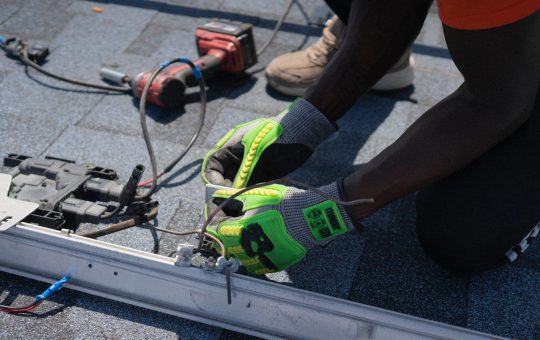
The quality of installation has a significant influence on roofing performance. Even high-quality shingles can develop problems when they are improperly installed or when underlying components are ignored. Roofing installation requires careful attention to fastening, alignment, overlap, underlayment placement, flashing, roof edges, valleys, penetrations, and ventilation. Fasteners must be positioned correctly according to product specifications, while shingles need to be aligned and secured so that they can withstand normal environmental conditions. Improper fastening can increase the possibility of shingle movement or wind-related damage, while poor alignment can interfere with water drainage and the overall appearance of the finished roof. Professional installation also helps ensure that vulnerable areas receive appropriate attention. Chimneys, vents, skylights, walls, valleys, and roof edges all require careful detailing because these areas can become potential entry points for water if they are not properly protected. A skilled roofing contractor understands these installation requirements and can build the roof as an integrated system instead of treating each component separately.
The Value of a Strong Roof Deck
The roof deck provides the structural foundation beneath the roofing materials, so its condition should be carefully evaluated during major roofing work. Years of moisture exposure can weaken wood decking, especially if leaks have remained undetected for extended periods. Damaged or deteriorated decking may not provide a suitable surface for new roofing materials, and covering it without addressing the problem can create additional concerns later. During a roof replacement, professional contractors can inspect the exposed decking and identify areas that may require repair or replacement. Addressing these problems before installing the new roofing surface can provide a more stable foundation and reduce the possibility of concealed structural deterioration. Homeowners should understand that replacing damaged decking can sometimes increase the final project cost, but these repairs are often necessary when the underlying material can no longer support the roofing system properly. Investing in the foundation of the roof can contribute to better long-term performance and can help ensure that the new roofing materials are installed over a sound surface.
Underlayment Provides an Additional Protective Layer
Although shingles receive most of the attention during a roofing project, underlayment is another important part of the system. Installed beneath the shingles, underlayment provides an additional layer of protection against moisture and can help protect the roof deck from water that may reach beneath the outer roofing surface. Proper installation is especially important around roof valleys, edges, penetrations, and other vulnerable areas. The appropriate underlayment product should be selected according to the roofing system, manufacturer requirements, and applicable installation practices. When underlayment is damaged, poorly positioned, or improperly integrated with other components, it may not provide the intended level of protection. A professional roofing contractor can determine which type of underlayment is appropriate and ensure that it is installed correctly as part of the complete roofing process. Considering underlayment during a roofing project demonstrates why a roof should be viewed as a layered protective system rather than simply a visible covering.
Flashing Helps Protect Vulnerable Areas
Flashing is particularly important because some of the most vulnerable parts of a roof occur where different surfaces meet. Areas around chimneys, vents, skylights, walls, valleys, and other roof penetrations need carefully installed flashing to direct water away from potential entry points. When flashing becomes damaged, corroded, loose, or improperly sealed, water can penetrate the roofing system even when the surrounding shingles appear to be in good condition. During roof inspections and replacement projects, flashing should therefore be evaluated along with the shingles. Repairing or replacing damaged flashing can help address the actual source of a leak instead of simply covering visible symptoms. Professional installation is especially valuable in these areas because flashing requires precise fitting and integration with surrounding roofing materials. Properly installed flashing supports effective water management and can help reduce the risk of moisture reaching the roof deck, insulation, framing, and interior finishes.
Roof Ventilation and Attic Performance
Roof ventilation is another component that should not be overlooked when planning a roofing project. Heat and moisture can accumulate in an attic when airflow is inadequate, potentially affecting insulation, wood components, and other parts of the building. A balanced ventilation system allows air to move through the attic in a controlled manner, helping reduce excessive heat and moisture accumulation. The specific ventilation arrangement depends on the building's design, roof configuration, insulation, and existing ventilation components. Simply adding a vent without evaluating the complete airflow pattern may not produce the desired result. A professional roofing contractor can inspect existing ventilation and determine whether improvements are needed during a roof replacement or major repair. Proper ventilation does not eliminate every roofing concern, but it can support the overall performance of the roofing system and help create better conditions for the materials beneath the roof surface.
Recognizing Early Signs of Roofing Problems
Roofing problems are often easier and less expensive to address when they are identified early. Property owners should periodically look for signs such as missing or damaged shingles, curling edges, cracks, exposed areas, damaged flashing, excessive granules in gutters, sagging sections, and visible deterioration. Interior signs can also provide clues that the roofing system may need attention. Water stains on ceilings, damp insulation, peeling paint, musty odors, or moisture around upper walls can sometimes indicate water intrusion. However, the visible location of an interior water stain does not always identify the exact point where water entered the roof. Moisture can travel along decking, framing, and other building components before reaching the interior surface. This is why professional inspections can be more effective than simply treating the visible symptom. A contractor can evaluate the roof from multiple areas and determine whether the problem involves shingles, flashing, drainage, underlayment, ventilation, or another component of the system.
When Roof Repair Is the Better Option
Not every roofing issue requires a complete replacement. When damage is limited to a small area and the rest of the roofing system remains in good condition, professional repairs may provide an effective solution. Damaged shingles, localized flashing problems, limited wind damage, and certain small leaks may be repairable without replacing the entire roof. Prompt repair can be beneficial because a relatively minor roofing defect can allow water to reach the underlying structure if it remains unaddressed. Over time, moisture intrusion can damage insulation, decking, framing, ceilings, and interior finishes, turning a small roofing issue into a much larger restoration project. Professional repair allows the contractor to address the source of the problem rather than simply concealing its visible effects. However, repairs should always be considered in the context of the roof's overall age and condition. If the system has widespread deterioration or requires frequent repairs, replacement may ultimately provide better long-term value.
Knowing When Replacement Makes More Sense
A complete roof replacement may become necessary when the existing system has reached an advanced stage of deterioration or when damage is too widespread for practical repairs. Extensive shingle deterioration, recurring leaks, widespread cracking or curling, significant storm damage, deteriorated decking, and repeated repair requirements can all indicate that replacement should be considered. The decision should not be based solely on the age of the roof because actual service life can vary according to installation quality, material selection, maintenance, weather exposure, ventilation, and other factors. A professional inspection can provide a clearer picture of the roof's condition and help determine whether repair or replacement is appropriate. When replacement is recommended, homeowners should consider the project as an opportunity to address underlying concerns rather than simply installing new shingles over an aging system. A properly planned replacement can include deck repairs, improved flashing, appropriate underlayment, ventilation evaluation, and updated drainage components where needed.
Protecting the Roof Through Regular Maintenance
Roof maintenance plays an important role in preserving the condition of roofing materials. Although routine maintenance cannot prevent every problem, it can help identify developing concerns before they become severe. Gutters and downspouts should be kept clear so that rainwater can move efficiently away from the roof and building. Leaves, branches, and other debris should be removed when they accumulate because trapped debris can retain moisture and interfere with proper drainage. Trees near the building should also be monitored because branches can scrape against shingles or fall onto the roof during storms. After severe weather, a professional inspection can help identify damage that may not be obvious from the ground. Homeowners should also avoid aggressive cleaning methods that can damage roofing materials. Improper pressure washing or harsh cleaning techniques may remove protective granules and weaken the surface of shingles. Maintenance should therefore be performed using methods appropriate for the specific roofing material.
How Roofing Affects Energy and Indoor Comfort
Although a roof's primary purpose is protection, its condition can also influence indoor comfort and building performance. Proper ventilation, adequate insulation, and a well-maintained roofing system can contribute to better management of heat and moisture within the building. When roofing components are damaged or ventilation is inadequate, excessive heat or moisture may affect attic conditions and potentially influence indoor temperatures. A roofing evaluation can therefore be useful when homeowners notice unusual temperature differences or persistent moisture concerns. Roofing improvements should be coordinated with other building components rather than considered independently. For example, improving attic ventilation without considering insulation or intake airflow may not provide the desired result. A comprehensive approach helps ensure that different parts of the building envelope work together effectively.
Enhancing Exterior Appearance With New Roofing
A roof occupies a large portion of the visible exterior, which means its condition can have a major impact on curb appeal. Worn, stained, damaged, or mismatched roofing materials can make an otherwise attractive property appear older or poorly maintained. A new roofing system can refresh the exterior appearance while also addressing functional concerns associated with aging materials. Shingle manufacturers offer numerous colors and profiles, giving homeowners flexibility when coordinating a roof with siding, trim, windows, doors, and other exterior features. Architectural shingles can provide additional depth and texture, while traditional designs can create a more understated appearance. The right selection should balance visual preferences with practical considerations such as product specifications, roof design, durability, and installation requirements. Improving the appearance of the roof can be an important secondary benefit when the primary purpose of the project is to restore protection and performance.
Preparing for a Successful Roofing Project
Proper preparation can make a roofing project more efficient and can help homeowners understand what to expect throughout the process. Before work begins, property owners should receive clear information about the recommended materials, project scope, installation procedures, expected timeline, cleanup process, and potential conditions that may be discovered after existing roofing materials are removed. It is also important to understand whether the project includes inspection and repair of roof decking, replacement of flashing, installation of new underlayment, and evaluation of ventilation. A detailed proposal can reduce confusion and help homeowners compare services based on more than price alone. Roofing estimates that clearly explain materials and labor can make it easier to understand the value being provided. Homeowners should also ask about workmanship coverage and manufacturer warranties so they know what protections may apply after the project is completed.
Choosing an Experienced Roofing Contractor
Selecting the right contractor is one of the most important decisions associated with any roofing project. A professional roofing contractor should have experience with the type of roofing system being installed and should be able to explain the recommended approach in understandable terms. Homeowners should look for a company that performs detailed inspections, communicates clearly, uses appropriate materials, and follows established installation practices. A contractor should not recommend complete replacement simply because the roof has a certain age, nor should they recommend repeated repairs when the system is clearly approaching the end of its useful service life. The recommendation should be based on the actual condition of the roofing system and the property's specific needs. Clear communication is also important if unexpected problems are discovered during installation. For example, deteriorated decking may not be visible until the old roofing materials are removed. A reliable contractor should explain the issue and discuss the available options before proceeding with additional work.
The Long-Term Value of Quality Roofing
A roofing project should be viewed as a long-term investment rather than a short-term expense. Choosing quality materials and professional installation can help reduce the likelihood of premature problems and provide a stronger foundation for future maintenance. While the initial cost is an important consideration, homeowners should also think about durability, repair requirements, appearance, warranties, installation quality, and expected service life. Selecting an extremely inexpensive option may result in higher costs later if premature deterioration or installation problems develop. On the other hand, purchasing premium materials without ensuring proper installation may also limit the expected benefits. The best approach is to create a balanced roofing system in which materials, workmanship, ventilation, drainage, and maintenance all support one another. This approach can provide greater confidence that the roof will continue protecting the property through changing conditions.
Making Informed Roofing Decisions
Property owners can make better roofing decisions by understanding the difference between visible symptoms and underlying problems. A leak, for example, may appear to be a simple shingle issue, but the actual cause could involve flashing, underlayment, roof valleys, damaged decking, or drainage. Similarly, premature shingle deterioration may be connected to installation problems, ventilation, severe weather exposure, or another condition affecting the roofing system. Professional evaluation helps identify these relationships and provides a more accurate basis for deciding what work should be completed. Asphalt shingle roofing can be an effective solution when the materials are properly selected and installed as part of a complete roofing system. Combining appropriate shingles with sound decking, quality underlayment, effective flashing, proper ventilation, reliable drainage, and professional workmanship can help maximize the performance of the finished roof.
Conclusion
A durable roof is essential for protecting the structure, interior finishes, belongings, and overall value of a property. Selecting the right material is an important first step, but long-term roofing performance depends on much more than the visible surface. Professional installation, proper roof decking, reliable underlayment, carefully installed flashing, adequate ventilation, effective drainage, and routine maintenance all contribute to a successful roofing system. Property owners should also respond promptly to warning signs and arrange professional inspections when damage or aging becomes apparent. Addressing small problems early can help prevent moisture intrusion and reduce the possibility of more extensive repairs.
Asphalt shingle roofing remains a practical option for property owners seeking a combination of dependable protection, attractive design, and flexible material choices. When installed by an experienced professional and supported by proper maintenance, a shingle roof can provide lasting value while helping protect the building from everyday environmental exposure. Whether the property requires a localized repair, maintenance service, storm-related assessment, or complete roof replacement, the most effective approach is to evaluate the entire roofing system and choose solutions based on its actual condition. A thoughtful investment in professional roofing work can improve protection, enhance exterior appearance, and provide greater confidence in the property's long-term performance.