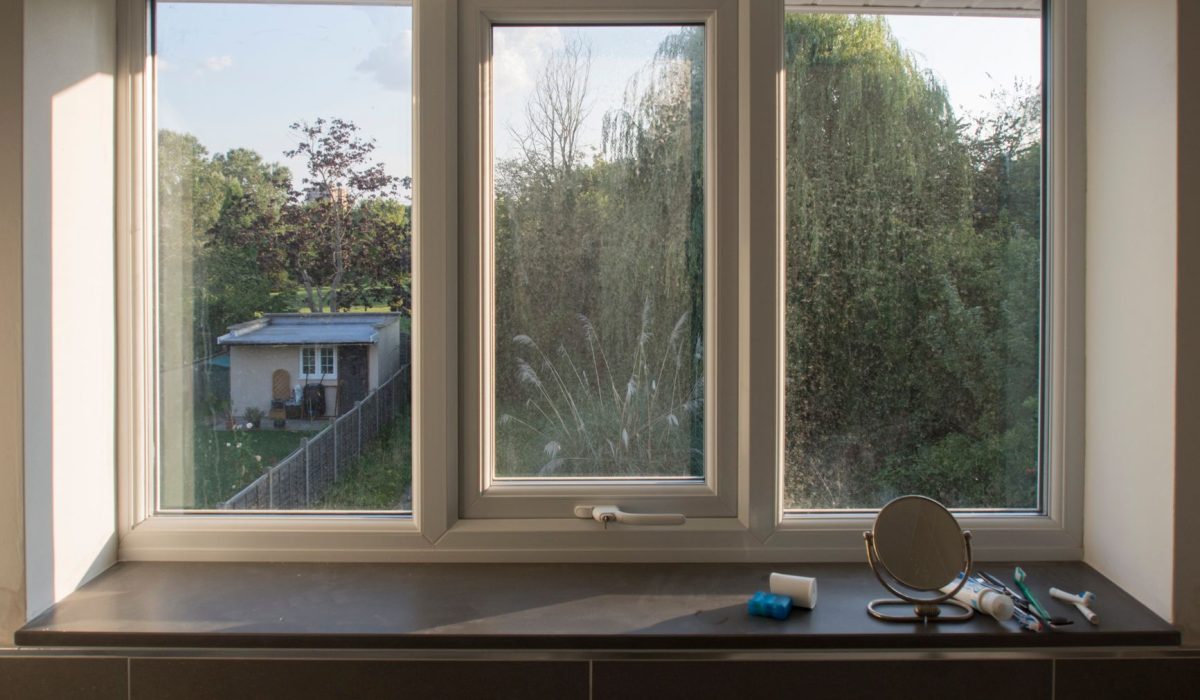
Windows play an important role in the comfort, appearance, energy efficiency, and overall condition of a home. While homeowners often focus on roofing, siding, insulation, and exterior maintenance when improving their property, windows deserve equal attention because they are a major part of the building envelope. Older or damaged windows can allow outdoor air and moisture to enter the home, make rooms harder to keep comfortable, and detract from an otherwise well-maintained exterior. Replacing outdated units with modern options can improve both performance and appearance while complementing other exterior improvements.Among the many window styles available today, vinyl windows have become a popular choice for homeowners seeking a practical combination of durability, appearance, energy efficiency, and manageable maintenance. Modern designs are available in different colors, configurations, glass packages, and frame styles, allowing homeowners to select products that complement the existing architecture. When installed correctly, quality windows can work alongside the roof and siding to create a more complete and dependable exterior system.
Understanding the Role of Quality Windows
Windows do more than provide natural light and views of the outdoors. They form part of the exterior barrier that separates indoor living spaces from changing weather conditions. The frame, glass, seals, flashing, and surrounding materials all contribute to how well a window performs. If any of these components deteriorate, homeowners may notice drafts, condensation, water intrusion, uncomfortable rooms, or increasing heating and cooling demands.A window replacement project can therefore be an important part of broader exterior maintenance. When a property already needs siding work or other improvements, addressing aging windows at the right time may help create a more cohesive result. Proper installation around the window openings is especially important because the connection between the window, siding, and wall system must be properly protected from moisture.Homeowners should also consider the age and condition of existing windows rather than focusing only on their appearance. A window may look acceptable from inside the home while having deteriorated seals, damaged exterior components, or inadequate insulation around the frame. A professional evaluation can help determine whether repairs are practical or whether replacement would provide a more dependable long-term solution.
Why Vinyl Windows Are a Practical Choice
Vinyl windows are valued for their balance of performance and practicality. Their frames are manufactured from durable vinyl materials that are designed to withstand normal outdoor exposure without requiring the same level of upkeep associated with some traditional window materials. For homeowners looking for an exterior improvement that combines function with a clean appearance, vinyl can be an attractive option.One of the major advantages is the relatively low maintenance required. Unlike wood frames, vinyl frames do not require regular painting or staining to maintain their basic appearance. Routine cleaning and periodic inspection of the frame, glass, seals, and moving components can help keep the windows operating properly. This makes them appealing to homeowners who want dependable exterior improvements without adding extensive maintenance responsibilities.Vinyl frames can also provide effective thermal performance when combined with appropriate glass and insulation features. The overall energy performance of a window depends on several factors, including glass type, frame construction, installation quality, and the condition of the surrounding wall assembly. Selecting the right combination can help reduce unwanted heat transfer and support more consistent indoor temperatures throughout the year.
Improving Energy Efficiency
Energy efficiency is one of the most important considerations when replacing older windows. Aging windows may have single-pane glass, worn seals, loose components, or poorly insulated frames that make it easier for conditioned indoor air to escape. Even when the heating or cooling system is operating properly, inefficient windows can make maintaining comfortable temperatures more difficult.Modern window systems can incorporate insulated glass units and improved sealing technologies designed to reduce air leakage and heat transfer. These features can help create a stronger barrier between indoor and outdoor environments. While replacement windows alone cannot eliminate every source of energy loss, they can contribute to a more efficient exterior when combined with proper insulation, roofing, siding, and air-sealing practices.Homeowners should avoid choosing windows based solely on price or appearance. Energy ratings, glass packages, frame construction, installation requirements, and product quality all deserve consideration. A professional contractor can help explain how different options may perform in the specific conditions of a home and recommend a solution based on the property's existing structure.
Supporting Exterior Protection
A home's exterior works as an interconnected system. The roof helps protect the upper structure from precipitation, siding shields the walls, and windows create protected openings for light and ventilation. When one component is damaged or improperly installed, moisture and air can find pathways into areas that should remain protected.
This is why window installation should be approached with the same attention to detail given to roofing and siding projects. The area around a window opening must be properly prepared before the new unit is installed. Flashing, sealants, insulation, fasteners, and surrounding siding materials must work together to help direct water away from vulnerable areas.Poor installation can undermine an otherwise high-quality window. Water may enter around the frame, insulation may be incomplete, or gaps may remain between the window and wall assembly. Over time, these problems can contribute to moisture damage, deterioration, and indoor comfort issues. Professional installation helps ensure that the replacement window becomes part of the home's exterior protection rather than creating a new vulnerability.
Complementing Siding Replacement Projects
Window replacement and siding installation often work well together because both projects affect the exterior appearance and weather protection of a property. When siding is replaced around old windows, contractors have an opportunity to inspect the condition of the existing window frames and surrounding materials. If the windows are also outdated, coordinating both improvements can create a cleaner finished appearance.Replacing windows before or during siding work can also help simplify certain installation details. New siding must be properly fitted around window openings, and the trim and flashing must be coordinated with the new exterior materials. When the projects are planned together, contractors can account for the dimensions and requirements of both systems instead of treating them as completely separate improvements.The visual benefits can be significant as well. New windows can give an exterior a more updated appearance, while new siding can improve the overall consistency of the facade. Homeowners can select complementary frame and siding colors, trim profiles, and design details to create an exterior that looks intentional rather than pieced together over time.
Signs Your Windows May Need Replacement
Knowing when to replace windows can help homeowners avoid waiting until a minor problem becomes a larger exterior issue. Visible deterioration around the frame is one warning sign. Cracks, warping, damaged seals, persistent moisture, or difficulty opening and closing the window may indicate that the existing unit is no longer performing as intended.Drafts are another common concern. If noticeable outdoor air enters around closed windows, the problem may involve worn seals, damaged frames, installation deficiencies, or deterioration around the opening. Persistent condensation between panes of insulated glass can also indicate a failed seal, which may reduce the window's insulating performance.Homeowners should also pay attention to water stains, peeling paint, soft materials, or discoloration around the window opening. These conditions can sometimes indicate moisture intrusion. Because water damage may develop inside walls before becoming obvious, a professional inspection can be valuable when exterior deterioration is suspected.Windows that require excessive force to open or close may also need attention. Mechanical components can wear out over time, and frames may become difficult to operate because of age, movement, or deterioration. Depending on the condition of the unit, repair may be possible, but replacement can be more practical when several components have reached the end of their useful service life.
Choosing the Right Window Design
The best window is not necessarily the most expensive model. Homeowners should select products based on the property's needs, existing architectural design, desired performance, and installation requirements. Window configuration is also important because different styles provide different levels of ventilation, visibility, and ease of operation.Casement, double-hung, sliding, picture, and specialty window designs can all serve different purposes. A large picture window may maximize natural light and views, while an operable design may be better suited to rooms where ventilation is important. Homeowners should consider how each room is used before selecting a particular configuration.Glass selection is another important factor. Different glazing options can affect insulation, sunlight transmission, glare, and privacy. Energy-efficient glass packages may provide better thermal performance, while specialized coatings can help manage solar heat and ultraviolet exposure. The appropriate selection depends on the home's orientation, climate conditions, room requirements, and homeowner preferences.
Professional Installation Matters
Even an excellent window can perform poorly when installation is rushed or incomplete. Proper installation begins with accurate measurements and careful preparation of the opening. The existing unit must be removed without unnecessarily damaging surrounding materials, and the opening should be inspected for signs of moisture, rot, structural problems, or other deterioration.Once the opening is properly prepared, the replacement window must be positioned, secured, insulated, and sealed according to the manufacturer's requirements. Flashing and weather-resistant barriers should be integrated appropriately with the surrounding exterior system. These steps help reduce the possibility of air leakage and water intrusion.Professional installation is especially important when windows are being replaced as part of a larger siding or exterior renovation. The contractor must understand how the new window will interact with the siding, trim, flashing, and wall assembly. Proper coordination can produce a cleaner appearance while helping protect the building envelope.
The Connection Between Windows and Roofing
Roofing and windows may appear to be separate components, but both contribute to the home's overall defense against weather. A roof protects the upper structure, while windows create openings that must be carefully sealed against rain and air infiltration. Problems with either system can affect the performance of the building envelope.During a broader exterior inspection, homeowners may benefit from having the roof, siding, gutters, and windows evaluated together. For example, water staining near a window may not always originate from the window itself. Water can travel through exterior assemblies, damaged flashing, or nearby roofing components before appearing inside. A comprehensive inspection can help identify the actual source instead of addressing only the visible symptom.This broader approach is particularly useful for older homes where several exterior components may have reached different stages of wear. Coordinating repairs and replacements can help homeowners prioritize work based on condition and prevent one newly installed component from being affected by an unresolved problem elsewhere.
Maintenance After Window Replacement
New windows require less maintenance than many older systems, but they should not be ignored after installation. Regular cleaning can help preserve their appearance, while periodic inspection can identify developing problems before they become more serious. Homeowners should check frames, seals, screens, hardware, and surrounding exterior materials as part of routine property maintenance.It is also important to keep drainage paths around windows clear. Dirt and debris can interfere with proper water movement and may contribute to moisture accumulation. Any damaged sealant or visible deterioration should be evaluated rather than ignored, especially when the window is exposed to frequent weather.Routine maintenance should also extend to nearby siding, gutters, and roofing components. These systems influence how water moves around the exterior of the property. Keeping them in good condition can reduce unnecessary exposure to moisture and help protect the investment made in replacement windows.
Planning a Complete Exterior Improvement
For homeowners considering multiple exterior upgrades, it can be beneficial to plan the work as a complete project rather than making isolated decisions. A property may need new siding, replacement windows, roof repairs, or improvements to exterior trim. Evaluating these components together allows homeowners to identify connections between projects and establish a logical order for completing the work.For example, installing new siding around severely deteriorated windows may not address the underlying problem with the window itself. Similarly, replacing windows without examining damaged surrounding materials can leave existing moisture concerns unresolved. A coordinated approach allows contractors to inspect the condition of the exterior before new materials cover areas that may need attention.Quality vinyl windows can be an important part of this overall strategy. When properly selected and professionally installed, they can improve the appearance of the exterior while contributing to comfort, energy efficiency, and weather protection. Combined with dependable roofing and siding work, window upgrades can help create a stronger and more cohesive building envelope.
Long-Term Value of Window Replacement
Home improvements should be evaluated not only by their immediate appearance but also by their long-term usefulness. Replacement windows can provide value by improving everyday comfort, reducing maintenance demands, and updating the property's exterior. Their contribution becomes even more meaningful when they are installed as part of a broader exterior improvement strategy.Durability is another consideration. Quality materials and proper installation can help replacement windows withstand normal exposure to changing weather conditions. While no exterior product lasts indefinitely, selecting suitable materials and maintaining them properly can help extend their service life.Homeowners should also consider how window upgrades affect the overall appearance of the property. Consistent window styles, complementary siding, updated trim, and a well-maintained roof can significantly improve curb appeal. A cohesive exterior often looks more polished than one where individual improvements were completed without considering how the components interact.
Working With an Experienced Exterior Contractor
Choosing the right contractor is an important part of any window or exterior renovation project. Homeowners should look for professionals who understand not only the window product but also the surrounding roofing, siding, flashing, trim, and moisture-management systems. Experience with complete exterior projects can be particularly useful when several components need attention.Before work begins, homeowners should discuss product options, installation procedures, project preparation, expected timelines, and any related repairs that may be necessary. Clear communication can help prevent misunderstandings and ensure that the selected products are appropriate for the property.An experienced contractor can also identify conditions that may not be obvious to the homeowner. Problems such as deteriorated sheathing, damaged flashing, inadequate insulation, or moisture intrusion may only become visible once an existing window or siding material is removed. Addressing these issues during the project can help provide a more dependable final result.
Conclusion
Windows are an important part of a home's exterior protection, energy performance, comfort, and appearance. Aging windows can create drafts, moisture concerns, maintenance problems, and visual inconsistencies, while modern replacements can provide an opportunity to improve several aspects of the property at once. The right product, combined with careful preparation and professional installation, can create lasting benefits.Vinyl windows offer a practical option for homeowners who want durable, low-maintenance, attractive, and energy-conscious improvements. Their benefits can be enhanced when replacement is coordinated with siding installation, roofing repairs, exterior trim work, and other improvements to the building envelope. Looking at these systems together can help homeowners address underlying issues while creating a more cohesive finished exterior.Whether the goal is improved comfort, better curb appeal, reduced maintenance, or stronger exterior protection, window replacement should be treated as an investment in the overall condition of the home. With proper planning, suitable materials, and professional workmanship, vinyl windows can become a valuable component of a complete exterior improvement strategy. Homeowners who are evaluating aging windows should consider a professional inspection to determine the condition of the existing units and identify the best path forward for their property.