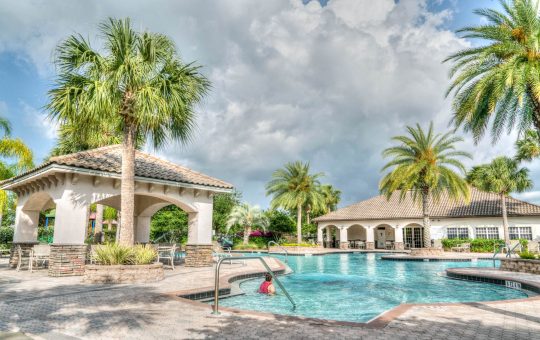

A swimming pool is a valuable feature that can provide relaxation, recreation, exercise, and entertainment, but keeping it in excellent condition requires consistent attention. Pool equipment operates regularly, water chemistry must remain balanced, surfaces need cleaning, and plumbing systems must continue functioning efficiently. Even when a pool appears clean and attractive, hidden problems can develop inside pumps, filters, pipes, heaters, drains, and other components. Ignoring these issues can eventually lead to expensive damage, poor water quality, and interruptions in pool use. Regular maintenance and timely professional service can help property owners protect their investment and keep their swimming environment comfortable and safe. Professional pool care should focus not only on fixing visible problems but also on identifying underlying causes, maintaining equipment, and preventing avoidable breakdowns.
Understanding the Importance of Professional Pool Care
Pool maintenance involves much more than removing leaves from the water or adding chemicals. A complete maintenance program considers the condition of the water, circulation system, filtration equipment, plumbing, pool surfaces, drains, lighting, heating equipment, and other components. Each part contributes to the overall performance of the pool, and a problem in one area can eventually affect another. For example, inadequate water circulation may interfere with filtration and chemical distribution, while a plumbing leak can cause water loss and place additional strain on equipment. Professional maintenance provides an opportunity to examine these systems regularly and identify concerns before they become major problems.Consistent service can also make pool ownership more convenient. Property owners may not always have the time, tools, or technical knowledge needed to inspect every component properly. A professional technician can perform routine checks, clean necessary equipment, test water conditions, and identify signs of wear. This approach allows small issues to be addressed before they interrupt normal pool use. Regular professional care can also help extend the useful life of equipment by ensuring that components are cleaned, adjusted, and operated under appropriate conditions.
Recognizing Common Pool Problems Early
One of the most effective ways to protect a swimming pool is to recognize warning signs before a small issue becomes a serious repair. Changes in water level, unusual pump noises, cloudy water, weak water circulation, air bubbles, damaged surfaces, malfunctioning lights, and inconsistent heating can all indicate that something requires attention. Property owners should not assume that these problems will disappear on their own, particularly when they continue for several days.A sudden change in water level can be especially important. Some water loss is normal because of evaporation and regular pool use, but unexplained or excessive loss may indicate a leak. Similarly, cloudy water may result from poor chemical balance, inadequate filtration, circulation problems, or excessive contaminants. The visible symptom does not always identify the actual cause, which is why professional inspection can be valuable. Diagnosing the source instead of simply treating the symptom can lead to a more effective and lasting solution.
Pool Pump Maintenance and Repair
The pump is one of the most important mechanical components in a swimming pool system because it moves water through the filtration and treatment equipment. Without proper circulation, contaminants may remain in the water, chemicals may not distribute evenly, and the filtration system may not perform effectively. Pump problems can develop gradually, making regular inspection important for maintaining reliable operation.Common warning signs include unusual sounds, vibration, reduced water flow, overheating, leaking seals, difficulty starting, or complete failure. These symptoms can result from several causes, including worn mechanical components, blocked lines, damaged seals, electrical problems, or issues with the impeller. A professional technician can inspect the pump and connected components to determine the cause of the problem. Depending on the condition of the equipment, repairing a specific component may restore performance, while severely worn equipment may be better suited for replacement.
Keeping Filtration Systems Working Efficiently
The filtration system plays a major role in maintaining clear and clean pool water. Filters collect particles and contaminants that would otherwise remain suspended in the water. Over time, filters can become dirty or clogged, reducing water flow and making the circulation system work harder. A neglected filter can also contribute to cloudy water and reduced overall system performance.Different filtration systems require different maintenance procedures, so the appropriate approach depends on the equipment installed. Cartridge filters may require cleaning or replacement, while other systems may require different maintenance methods and filtration media. Monitoring pressure readings can also provide useful information about filter performance. If readings become abnormal or water quality continues to decline despite regular chemical treatment, the filtration system should be evaluated. Proper filter maintenance can improve water clarity, support circulation, and reduce unnecessary strain on the pump.
Addressing Pool Plumbing Problems
Pool plumbing is responsible for transporting water between the pool and its various pieces of equipment. Pipes, valves, fittings, drains, and connections all need to function correctly for the circulation system to operate efficiently. Because much of the plumbing can be hidden underground or behind equipment, plumbing problems may be difficult for property owners to identify without professional assistance.Low water pressure, air entering the circulation system, unexplained water loss, visible leaks, and unusual pump behavior can sometimes indicate plumbing concerns. A small damaged connection may initially appear insignificant, but continuous leakage can lead to wasted water and reduced system efficiency. Professional inspection can help determine whether the problem is located around visible equipment or within a less accessible section of the plumbing system. Correctly repairing the source of the problem is generally more effective than repeatedly treating the symptoms.
Detecting and Repairing Pool Leaks
Pool leaks deserve prompt attention because they can create ongoing water loss and potentially affect surrounding structures or equipment. Not every reduction in water level means that a leak exists, since evaporation, splashing, and regular use naturally remove water. However, a significant or persistent loss should be investigated rather than ignored.Leaks may occur in plumbing lines, equipment connections, fittings, pool surfaces, or other components. Some can be easy to locate, while others may require specialized detection methods. Professional leak detection can help narrow down the source of the problem and determine the appropriate repair. Addressing a leak early can prevent continued water waste and reduce the possibility of additional damage. It can also help maintain proper water levels so that pumps and other equipment continue operating as intended.
Maintaining Pool Surfaces and Structural Features
The pool surface affects both appearance and functionality. Depending on the type of pool, surfaces may include plaster, concrete, tile, fiberglass, or other materials. Constant exposure to water, chemicals, sunlight, temperature changes, and regular use can eventually cause wear. Cracks, rough patches, loose tiles, discoloration, stains, and other changes should be evaluated when they persist or become more noticeable.Not every surface imperfection requires extensive restoration, but early evaluation can help determine the right approach. Some problems may be addressed through professional cleaning or localized repairs, while more extensive deterioration could require resurfacing or other corrective work. Maintaining surfaces properly can improve the appearance of the pool while helping prevent minor defects from becoming larger structural concerns. Regular inspection is especially useful because changes can be tracked over time.
Pool Heater and Heating Equipment Services
Heating equipment can extend the comfortable swimming season and provide more consistent water temperatures. When a pool heater is not operating properly, the cause may involve mechanical components, electrical connections, water flow, controls, or other system conditions. A heater that struggles to maintain temperature or shuts down unexpectedly should be evaluated rather than repeatedly restarted without determining the reason.Professional maintenance can help identify developing problems before a heater fails completely. Proper circulation and clean filtration are also important because heating equipment depends on adequate water movement. If a heater is old or experiencing repeated failures, a professional can help determine whether repair remains practical or whether replacement would provide better long-term value. Choosing the right solution requires consideration of equipment condition, performance, operating costs, and expected service life.
Maintaining Safe Pool Electrical Systems
Electrical components require careful attention around swimming pools because water and electricity present significant safety risks. Pumps, heaters, lighting systems, timers, automated controls, and other equipment may rely on electrical connections that need to remain in proper condition. Flickering lights, repeated breaker trips, damaged components, burning smells, or unexpected equipment shutdowns should be treated as warning signs.Property owners should avoid attempting complex electrical repairs without appropriate training and safety knowledge. Professional technicians can inspect relevant components and determine whether an electrical issue is affecting pool equipment. Maintaining electrical systems properly can support reliable operation while reducing the risk associated with damaged or improperly functioning components. Safety should always remain a priority when servicing any pool equipment connected to electricity.
Water Chemistry and Pool Cleaning
Clean equipment alone cannot guarantee healthy pool water. Water chemistry must also remain balanced according to the requirements of the pool system. Improperly balanced water can contribute to algae growth, scaling, corrosion, cloudy water, and discomfort for swimmers. Regular testing allows chemical levels to be evaluated and adjusted when necessary.Cleaning is equally important because leaves, dirt, insects, oils, and other contaminants enter the pool regularly. Skimming the surface, brushing walls, vacuuming the bottom, cleaning baskets, and maintaining filters can help reduce the amount of debris circulating through the system. Professional cleaning services can provide a consistent schedule for property owners who prefer to have routine maintenance handled by experienced technicians. Combining cleaning with equipment inspection can make it easier to notice changes that might otherwise go undetected.
The Benefits of Regular Pool Cleaning Service
A professional cleaning routine can help keep a pool attractive while also supporting the performance of its equipment. When debris accumulates, filters may become dirty more quickly, circulation can become less efficient, and water quality may decline. Regular cleaning helps reduce these issues and keeps contaminants under control.Professional service can also provide consistency. Instead of waiting until the water becomes visibly dirty, routine maintenance can be performed according to a schedule. Technicians can inspect the pool during each visit and note changes in equipment performance, water appearance, or surface condition. This ongoing attention can make preventive maintenance easier because developing concerns may be identified before they cause major disruption.
Seasonal Pool Opening Services
Opening a pool after an extended period of inactivity requires careful preparation. Simply removing the cover and turning on the equipment may not be enough to ensure safe and efficient operation. Equipment should be inspected, water levels checked, circulation restored appropriately, and water chemistry tested. Filters, pumps, plumbing connections, and other components should also be examined for damage or signs of deterioration.A professional opening service can help ensure that important steps are completed in the correct order. This can be especially helpful when the pool has been closed for an extended period or when equipment has not been used recently. Identifying problems during the opening process can also allow repairs to be completed before the pool becomes heavily used.
Pool Maintenance for Long-Term Equipment Protection
Preventive maintenance can help property owners avoid unnecessary equipment failures. Pumps, filters, heaters, lights, plumbing components, and other systems have finite service lives, but proper maintenance can help reduce premature wear. Cleaning components, maintaining appropriate water chemistry, monitoring performance, and addressing warning signs can all contribute to longer-lasting equipment.Professional pool repair services can be particularly valuable when a component begins showing signs of failure. Instead of allowing the equipment to continue operating under stressful conditions, a technician can identify the cause and recommend an appropriate repair. Timely intervention may prevent the failure from affecting connected components. In some situations, repairing a smaller component can also be more economical than waiting until an entire system requires replacement.
Choosing a Reliable Pool Service Provider
The quality of pool maintenance depends heavily on the experience and reliability of the service provider. Property owners should consider companies that offer comprehensive services rather than focusing only on basic cleaning. A provider with experience in equipment maintenance, water treatment, plumbing concerns, leak detection, seasonal services, and general pool care can provide more complete support.Communication is another important factor. A professional provider should explain identified problems clearly, describe recommended services, and help the property owner understand why a particular repair or maintenance procedure is necessary. Clear communication makes it easier to make informed decisions and avoid unnecessary work. Consistent service is also valuable because technicians who regularly maintain the same pool can become familiar with its equipment, normal operating conditions, and previous maintenance history.
Why Timely Repairs Are Better Than Delayed Repairs
Delaying maintenance can sometimes turn a manageable problem into a larger and more expensive issue. A small leak may continue unnoticed, a worn pump component may damage other parts, or poor circulation may contribute to persistent water quality problems. The longer a malfunctioning system operates, the greater the possibility that additional components will be affected.Timely pool repair allows problems to be investigated while they are still manageable. Professional technicians can determine whether a component can be repaired, adjusted, cleaned, or replaced. Taking action early can also reduce interruptions to pool use and provide greater confidence that the system is operating correctly. Preventive attention is often one of the most effective ways to protect the long-term value of a swimming pool.
Creating a Consistent Pool Maintenance Routine
A successful pool maintenance routine should include both regular cleaning and periodic equipment inspections. Daily or frequent tasks may include observing water level and appearance, removing visible debris, and checking for unusual equipment behavior. Weekly maintenance may involve testing water chemistry, cleaning baskets, brushing surfaces, and reviewing circulation performance. More detailed professional inspections can be scheduled according to equipment needs and seasonal conditions.The exact maintenance schedule can vary based on pool size, equipment type, frequency of use, environmental exposure, and other factors. A heavily used pool may require more frequent cleaning and water testing than a pool used occasionally. Establishing a routine based on actual conditions helps ensure that important maintenance tasks are not overlooked. Professional guidance can also help property owners determine which tasks should be completed regularly and which require specialized service.
Protecting Your Pool Investment
A swimming pool represents a significant investment in a property, and protecting that investment requires consistent care. Proper maintenance can help preserve equipment, improve water quality, maintain attractive surfaces, and reduce the risk of unexpected breakdowns. Professional service is particularly useful when problems involve technical equipment, plumbing, heating systems, leaks, electrical components, or structural concerns.A proactive approach is generally more effective than waiting for a complete equipment failure. Regular inspections allow property owners to understand the condition of their pool and plan maintenance accordingly. When repairs are necessary, addressing them promptly can help prevent additional damage and keep the pool available for use. Combining preventive maintenance with professional pool repair creates a stronger foundation for long-term pool performance.
Conclusion
A swimming pool can remain a valuable and enjoyable part of a property for many years when it receives consistent and professional care. Regular cleaning, balanced water chemistry, equipment inspections, plumbing maintenance, leak detection, surface care, seasonal services, and timely repairs all contribute to dependable pool performance. Paying attention to warning signs such as unusual equipment noises, cloudy water, weak circulation, unexplained water loss, damaged surfaces, and heating problems can help property owners respond before minor concerns become major expenses.Professional pool services provide more than simple cleaning or emergency fixes. They help maintain the complete pool system and ensure that pumps, filters, plumbing, heaters, surfaces, and other components work together efficiently. By establishing a consistent maintenance routine and addressing problems as soon as they appear, property owners can protect their investment, reduce unnecessary equipment wear, and enjoy a cleaner, safer, and more reliable swimming environment. Long-term pool care is ultimately about prevention, proper maintenance, and timely professional attention, giving the pool the support it needs to remain functional and enjoyable season after season.