
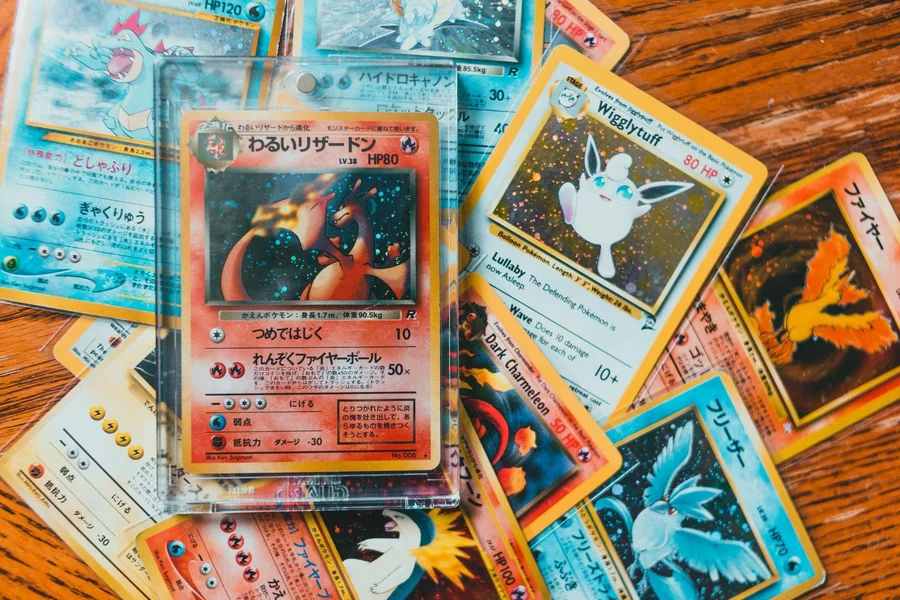
Trading card collecting can begin with a single pack and turn into a surprisingly deep hobby. Part of the appeal is never knowing exactly what you will find, but collecting also involves artwork, favorite characters, complete sets, deck building, trading, and the satisfaction of gradually creating a collection that reflects your interests.
Before buying boxes of cards, however, it helps to decide what you actually want from the hobby. A little planning can prevent unnecessary spending and make a growing collection considerably easier to manage.
Decide What Kind of Collection You Want
There is no single correct way to collect trading cards. Some collectors want complete sets, while others concentrate on particular characters, artwork, rarities, or cards they can use in competitive decks.
Choosing a direction early gives your purchases some purpose. For fans of the One Piece Trading Card Game, for example, opening a One Piece TCG booster box can provide the experience of discovering cards across a particular release while gradually building the foundation of a larger collection.
Your approach can always change later. The point is not to establish rigid rules but to avoid accumulating cards without knowing what you actually enjoy collecting.
Understand the Difference Between Packs, Boxes, and Singles
New collectors quickly encounter several ways to buy cards. Individual booster packs provide the simplest entry point and preserve the surprise that makes opening cards enjoyable. Booster boxes contain multiple packs from the same release and make sense when you want a broader experience with a particular set.
Buying individual cards serves a different purpose. If there is one specific card you want, purchasing that card directly can sometimes be more practical than repeatedly opening packs hoping to pull it.
Many collectors ultimately combine these approaches. They open packs or boxes because they enjoy the experience, then use individual purchases or trades to fill specific gaps in their collection.
Set a Budget Before the Collection Starts Growing
Trading cards can make small purchases feel harmless. One pack does not seem particularly significant, but frequent purchases, new releases, storage supplies, and individual cards can quickly add up.
Decide what you are comfortable spending each month and treat that amount as part of the hobby. This makes it easier to enjoy opening products without feeling pressured to chase every new release.
It also helps to remember that completing everything is rarely necessary. Missing a release or deciding that a particular card is too expensive does not make the collection incomplete in any meaningful sense. A personal collection should be defined by what you enjoy owning.
Protect Good Cards From the Beginning
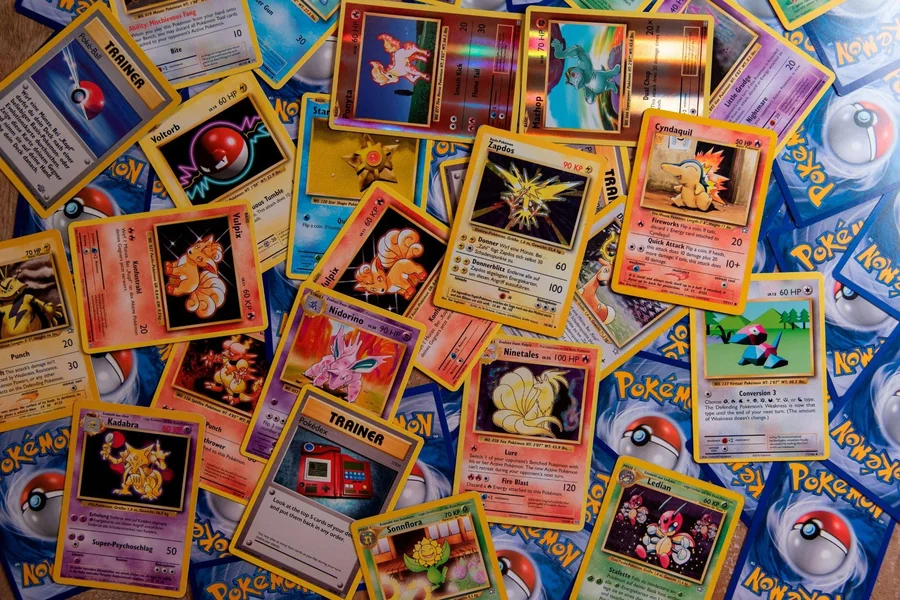
Condition matters in card collecting, so storage should be considered before you have accumulated hundreds of cards.
Basic sleeves provide protection against fingerprints and surface wear, while more rigid holders can be useful for cards that deserve additional protection. Binders are convenient for organizing sets and displaying favorite cards, while dedicated card boxes provide an efficient solution for larger quantities.
Where the collection is stored matters too. Cards should be kept somewhere dry and away from direct sunlight, excessive heat, moisture, and places where they could easily be bent or crushed.
Establishing these habits from the beginning is much easier than reorganizing and protecting a large collection later.
Create an Organization System That Can Grow
Twenty cards are easy to manage. Two thousand are a different story.
You might organize cards by set, card number, character, rarity, color, deck, or another category that makes sense for the game you collect. There is no universal system, but consistency becomes increasingly important as the collection expands.
Duplicates deserve their own place as well. Keeping them separated can make future trading easier and prevent you from repeatedly wondering whether you already own a particular card.
Collectors with larger libraries may also benefit from maintaining a simple digital inventory. Knowing what you own becomes particularly useful when shopping, trading, or trying to complete a set.
Learn Before Chasing Expensive Cards
Rare cards naturally attract attention, but rarity alone does not mean that every expensive card belongs in your collection.
Before spending significantly more than you would on ordinary packs or cards, learn how condition, scarcity, different printings, special versions, and demand can affect collectability. Understanding these basics gives you more confidence when evaluating a potential addition.
It is also useful to distinguish between collecting something because you genuinely want it and buying it purely because you expect its price to increase. Trading card markets can change, so enjoyment is a much more dependable foundation for a hobby than assuming every purchase will become an investment.
Let the Collection Develop Naturally
A new collector does not need thousands of cards, expensive display cases, or every release from the first day. In fact, building a collection gradually is part of what makes the hobby enjoyable.
Start with a game, series, or set that genuinely interests you. Learn the cards, experiment with different ways of organizing them, discover which artwork or characters you enjoy most, and adjust your collecting goals as you gain experience.
Over time, the collection begins to tell its own story. Certain cards will remind you of memorable pulls, trades, games, or particular stages of the hobby. That personal connection is often what transforms a box full of cards into a collection worth keeping.