Watching someone experienced perform a job can create the impression that almost anyone could do it. The movements look simple, the equipment appears straightforward, and a project that takes a professional an hour seems like a perfectly reasonable way to spend Saturday morning.
Then you try it yourself. The necessary tools are missing, preparation takes longer than expected, the first attempt does not produce the right result, and suddenly a supposedly simple task has occupied most of the day. What looked easy was often the result of experience making difficult work look routine.
Pressure Washing Is More Than Pointing Water at a Dirty Surface
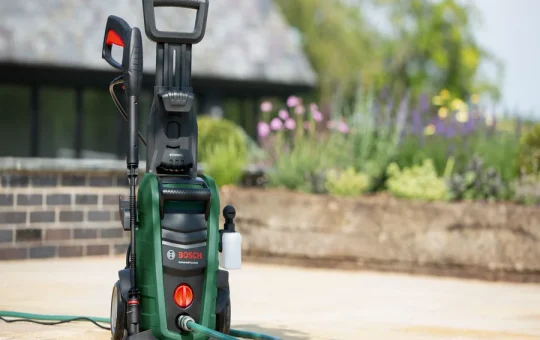
Pressure washing is a perfect example because the basic idea appears almost impossible to misunderstand: direct pressurized water at dirt until the surface becomes clean. In practice, the type of dirt, surface material, pressure, water temperature, detergent, nozzle, and technique can all influence the result.
Professional equipment also changes what is possible. The company hotsysouthtexas.com supplies commercial and industrial pressure washers, including hot- and cold-water systems designed for demanding cleaning applications. That helps explain why watching an experienced operator tackle heavy buildup can make the work appear easier than attempting the same job with equipment that is poorly matched to it.
Using excessive pressure is not a shortcut either. Some surfaces can be damaged, while inconsistent technique can leave visible lines or uneven results. The real skill is knowing how much cleaning power the particular job actually requires.
Painting a Room Is Mostly About Everything Before the Paint
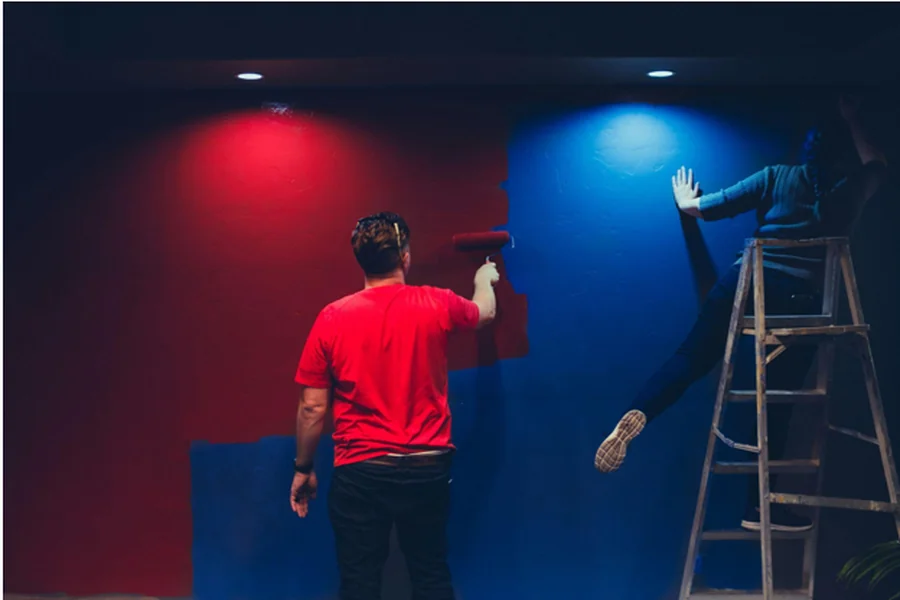
Painting seems like one of the safest jobs to do yourself. Buy paint, find a roller, cover the floor, and start. The actual rolling may indeed be straightforward. Preparation is what changes the calculation.
Furniture needs moving, walls may require cleaning, holes need filling, damaged areas have to be repaired, edges need protecting, and loose or uneven surfaces may require attention before the first coat appears. Skipping these steps saves time initially but often becomes visible once the paint dries.
Cutting clean lines around ceilings, windows, trim, switches, and other details also requires more control than rolling across the middle of a large wall. Add a second coat, drying time, cleanup, and returning the room to normal, and a small decorating project can easily consume an entire weekend.
The difference becomes especially obvious in older rooms where the walls themselves need work. At that point, painting is only the final stage of the job.
Moving Heavy Furniture Requires More Planning Than Strength
Photo by Steve Lieman on Unsplash
A sofa weighs exactly the same whether a professional mover or a homeowner carries it. What changes is the knowledge of how to move that weight through an awkward space.
Stairs, narrow doors, sharp corners, delicate flooring, and oversized furniture create problems that are not obvious until the object is already halfway through the house. Sometimes removing a door, taking furniture apart, protecting a particular surface, or changing the lifting position makes the difference between a smooth move and a damaged wall.
Experience also helps people recognize when an object should not be moved manually at all. Dollies, straps, sliders, ramps, and other equipment exist because strength alone is not always the safest or fastest solution.
This is where DIY savings can disappear quickly. Damaging an expensive appliance, scratching a floor, or injuring yourself can cost considerably more than the professional help you were trying to avoid.
Small Home Repairs Can Turn Into Troubleshooting Sessions
Replacing a visible broken component sounds easy when the cause of the problem is obvious. Unfortunately, the part that stops working is not necessarily the part that caused the failure.
That is why an apparently simple plumbing, electrical, appliance, or mechanical repair can turn into several hours of diagnosis. You replace one component and nothing changes. Then another possibility appears, requiring another trip for parts or another tutorial explaining how the system works.
Experienced tradespeople often seem fast because they have encountered similar symptoms many times. They know which possibilities to eliminate first and which signs suggest a completely different underlying problem.
There are also jobs where experimentation is inappropriate. Electrical systems, gas, major structural issues, and other potentially hazardous work can have consequences far beyond wasting an afternoon. Knowing when a task has exceeded your knowledge is itself an important DIY skill.
The Real Question Is Whether Doing It Yourself Is Worth Your Time
DIY decisions are often reduced to a comparison between the price of materials and the price of hiring someone. That calculation ignores several important costs.
How many hours will the project realistically take? Do you need to buy or rent equipment? Will you use those tools again? What happens if the first attempt fails? Could a mistake damage something more expensive than the original job?
Sometimes doing the work yourself still makes perfect sense. Learning to paint, perform basic maintenance, assemble furniture, or handle recurring household tasks can save money for years. There is also genuine satisfaction in becoming capable of maintaining your own property.
Other jobs make less sense precisely because they occur rarely. Buying specialized equipment and spending an entire weekend learning a process you may not repeat for another five years is very different from developing a skill you will use every month.
The professionals who make difficult jobs look effortless are usually demonstrating the value of repetition. They already know how to prepare, which equipment to choose, where problems are likely to occur, and how to recover when something unexpected happens.
Before beginning a supposedly easy project, therefore, ask a better question than “Can I do this myself?” Consider the equipment, experience, risk, preparation, and time involved.
You may still decide to do it yourself. At least you will know what Saturday is really going to look like.