
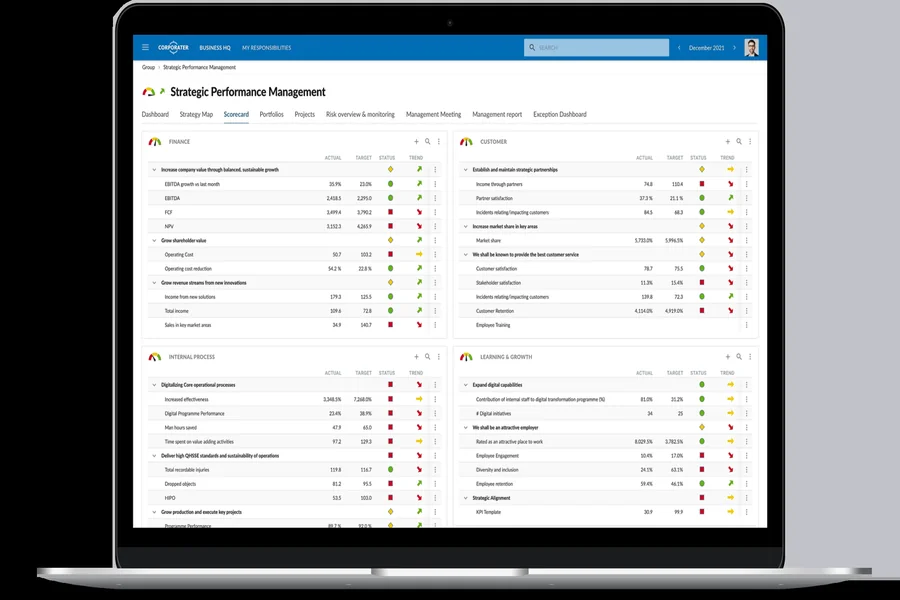
Most scorecards are built for an audience. Grades tell schools how we performed. Job titles tell strangers where we rank. Income, followers, awards, and invitations can all become quick evidence that life is going well. The problem is that public measures are designed to be visible, not necessarily meaningful. An internal scorecard asks a quieter question: If nobody applauded this choice, would I still respect it?
A Private Standard Changes Public Decisions
That question matters in practical decisions, not just philosophical ones. Suppose someone is comparing debt consolidation vs settlement. An external scorecard may focus on looking financially successful as quickly as possible. An internal one asks whether the choice is understood, affordable, honest about its risks, and consistent with long term stability. The goal is not to select an option that looks impressive. It is to make a decision you can defend to yourself after the emotional pressure has passed.
Decide What Counts Before the Crowd Arrives
It is hard to choose your standards while people are reacting to you. Praise can make a weak decision feel brilliant. Criticism can make a principled choice feel foolish. That is why an internal scorecard should be written before the big promotion, public failure, difficult negotiation, or tempting shortcut.
Warren Buffett is often associated with the idea of judging yourself by an inner standard rather than an outer one. The archive of Warren Buffett’s shareholder letters also offers a long view of how clearly chosen principles can guide decisions across changing conditions. Your scorecard does not need to copy his. It should reflect the person you are trying to become.
Begin with a few qualities that matter even when they are inconvenient. You might choose honesty, courage, patience, usefulness, reliability, curiosity, or fairness. Do not pick words because they sound admirable. Pick them because you are willing to let them affect real choices.
Turn Values Into Observable Behavior
A value that cannot be observed is easy to claim and difficult to practice. “I value integrity” sounds good, but what does it require on a stressful Tuesday afternoon? Perhaps it means correcting an error before anyone notices. “I value family” may mean protecting dinner from work messages twice a week. “I value learning” might mean changing your opinion when evidence proves you wrong.
Translate each value into a behavior you can recognize. Reliability could mean arriving when promised, meeting deadlines, and warning people early when plans change. Courage could mean having the needed conversation instead of rehearsing it for another month. Fairness could mean giving the same honest feedback to a friend that you would give to a stranger.
This keeps the scorecard from becoming a collection of flattering labels. You are not measuring whether you feel like a principled person. You are measuring whether your actions gave those principles a place to live.
Measure What You Can Actually Influence
An internal scorecard works best when it focuses on choices rather than outcomes. Outcomes matter, but they are shaped by luck, timing, other people, and conditions you cannot control. You can prepare carefully and still lose an opportunity. You can make a careless choice and receive a lucky reward.
If your scorecard gives all the points to winning, you will eventually confuse good fortune with good judgment. Instead, measure the quality of the process. Did you prepare? Did you tell the truth? Did you listen? Did you take a reasonable risk? Did you adjust when new facts appeared? Did you treat people well when the result disappointed you?
This approach is not an excuse to ignore results. Results provide feedback. They simply do not get to decide your entire worth. A strong internal measure asks what the outcome teaches and whether your conduct deserves to be repeated.
Include Motivation, Not Just Discipline
A personal scorecard can become another harsh productivity system if it only counts completed tasks. Human beings need more than output. We also need a sense that our choices belong to us, that we are becoming more capable, and that we are connected to other people.
The University of Rochester overview of self determination theory describes autonomy, competence, and relatedness as basic psychological needs connected to growth and motivation. Those ideas can strengthen an internal scorecard. Ask whether your week included choices you genuinely endorsed, progress in a skill that matters, and meaningful attention to other people.
This prevents a strange kind of success in which every task is completed but the person completing them feels absent from their own life. Your scorecard should help you become more engaged, not merely more efficient.
Add Measures That Nobody Else Can See
The most revealing measures are often invisible to the outside world. How do you speak about people who are not in the room? What do you do with an advantage that nobody knows you have? Do you keep small promises when breaking them would be convenient? Can you admit envy without letting it direct your behavior?
These private moments deserve a place because character is often built where reputation cannot reach. Public behavior may be polished by consequences. Private behavior shows which standards have become your own.
You might also measure repair. Everyone will fail their standards sometimes. The useful question is how quickly you recognize the gap, take responsibility, and make the situation better. A scorecard that demands perfection will encourage denial. One that values honest repair makes growth possible.
Watch for Counterfeit Points
External approval can sneak onto an internal scorecard wearing a disguise. You may say you value excellence when you really fear looking average. You may call a goal ambitious when it is mostly designed to impress someone. You may describe yourself as generous while quietly keeping track of who noticed.
A simple test helps: Would this still matter if I could never post it, mention it, or receive credit for it? If the answer is yes, the goal likely belongs on your internal scorecard. If the answer is no, that does not automatically make it bad. Recognition is pleasant, and social rewards can encourage useful work. It simply means you should be honest about the motive.
Also watch for values that always excuse what you already wanted to do. A scorecard should sometimes challenge you. If every principle conveniently supports your comfort, status, and existing habits, it may be a public relations document for your ego.
Review the Week Without Holding a Trial
An internal review should feel more like studying game footage than entering a courtroom. Set aside ten minutes once a week. Look at two or three standards and identify one moment that aligned with them and one moment that did not.
Be specific. “I was bad at patience” is too vague to help. “I interrupted twice during Monday’s meeting because I wanted the group to accept my idea” reveals something you can change. Then choose one small adjustment for the coming week, such as asking one more question before offering your opinion.
Keep the review short enough to repeat. A beautiful system that takes an hour will probably disappear during a busy month. A few honest notes can be more valuable than a complicated scoring formula.
Let the Scorecard Grow With You
Your principles should be stable enough to guide you, but the way you express them may change. Courage at twenty may mean leaving a familiar path. Courage at forty may mean staying present during a difficult season. Responsibility may once have meant proving you could handle everything alone. Later, it may mean asking for help before a problem spreads.
Review the scorecard every few months. Remove measures that were borrowed from other people. Clarify words that have become vague. Add a standard if life has exposed an important gap. Do not change the rules simply because you dislike a recent score, but do allow experience to make the rules wiser.
Success Becomes Quieter and More Durable
An internal scorecard will not make outside opinions disappear. Praise will still feel good, and rejection will still hurt. The difference is that neither one has the final vote.
When your standards are clear, choices become easier to examine. You can turn down an impressive opportunity that conflicts with the life you want. You can continue useful work through a season when nobody notices. You can admit a mistake without treating it as the end of your identity.
The real benefit is not constant confidence. It is direction. You know what counts, what behavior supports it, and how to return when you drift. Over time, success becomes less about maintaining an image and more about becoming someone whose private decisions can withstand an honest review.