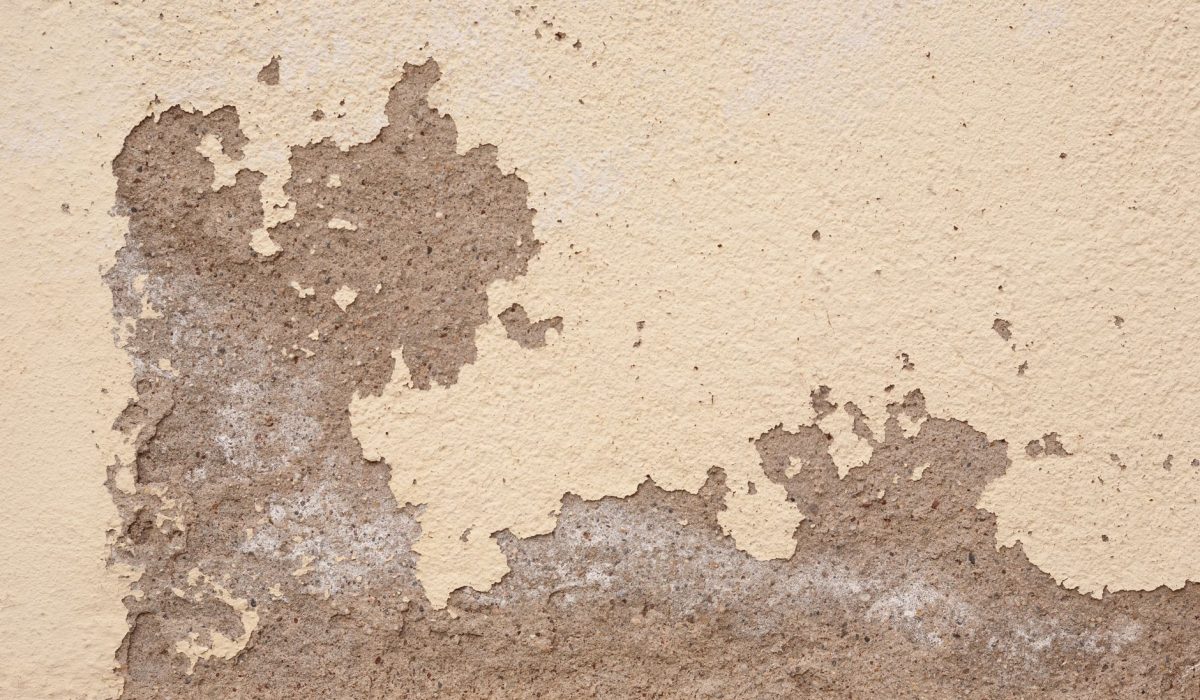
Mold growth can develop quickly when moisture enters a property and is not properly addressed. What may initially appear to be a small stain on a wall, ceiling, floor, or other surface can sometimes indicate a larger moisture problem developing behind the visible area. Leaking pipes, water damage, roof leaks, flooding, condensation, high humidity, poor ventilation, and other sources of excess moisture can create conditions that allow mold to grow and spread. Because mold is connected so closely to moisture, simply wiping a visible area or applying paint over discoloration may not provide a lasting solution. A more complete approach involves identifying the source of moisture, assessing the affected materials, controlling the spread of contamination, cleaning or removing damaged materials when necessary, and thoroughly drying the affected area. Professional restoration services can provide valuable assistance when mold growth is extensive, recurring, connected to water damage, or located in areas that are difficult to inspect and clean. Taking action early can also help reduce the possibility of additional property damage and make it easier to restore affected spaces before the problem becomes more complicated.
Understanding How Mold Develops Indoors
Mold spores are naturally present in the environment, so it is impossible to create an indoor space that contains absolutely no mold spores. The concern begins when moisture and other favorable conditions allow those spores to settle and grow on suitable materials. Buildings contain many materials that can support mold growth when they become damp, including drywall, wood, insulation, carpeting, ceiling materials, paper products, and certain furnishings. Moisture can come from obvious events such as flooding or a major plumbing leak, but it can also develop slowly through condensation, elevated humidity, leaking fixtures, poor ventilation, or water entering through the exterior of the building. When damp materials remain wet for an extended period, mold can establish itself and become increasingly difficult to address. This is why moisture control is one of the most important parts of managing a mold problem. Removing visible growth without correcting the conditions that caused it can allow the problem to return, making it important to consider the entire environment rather than focusing only on the area where mold can be seen.
Recognizing Signs of a Potential Mold Problem
Mold does not always present itself as an obvious patch of dark or green growth. In some situations, the first indication may be a persistent musty odor coming from a particular room, wall, cabinet, basement area, crawl space, or other enclosed location. Discoloration, bubbling paint, warped flooring, damaged drywall, recurring condensation, damp materials, and unexplained staining can also suggest that moisture is present. A history of water damage is another important warning sign, especially when materials were not completely dried after a leak, flood, or plumbing failure. Mold may develop behind walls, underneath flooring, around plumbing fixtures, above ceilings, or in other concealed spaces where it cannot be identified through a simple visual inspection. When unusual odors or repeated moisture problems occur, investigating the cause can be more effective than simply cleaning the surface. Early identification can help property owners address moisture before it creates additional damage and can make the restoration process more manageable.
Why Moisture Control Is Essential
Moisture is one of the primary factors that supports mold growth, which means successful remediation should always consider where the water came from and whether the area has been properly dried. A plumbing leak that continues to release water, a roof that allows rainwater to enter, or excessive indoor humidity can create conditions that support recurring mold growth even after an affected surface has been cleaned. For this reason, restoration professionals generally need to evaluate both the visible contamination and the moisture conditions surrounding it. Depending on the situation, moisture control may involve repairing a leak, removing standing water, improving ventilation, using dehumidification equipment, correcting drainage issues, or drying building materials with specialized restoration equipment. Controlling moisture can help prevent the same conditions from developing again and can protect other areas of the property from becoming affected. Property owners should also monitor areas that have experienced previous water damage because recurring dampness can be an indication that an underlying issue has not been fully resolved.
The Importance of Professional Mold Removal
Professional mold removal involves much more than wiping mold from a visible surface. A comprehensive restoration process begins by evaluating the affected area and considering the possible source of moisture. The condition of surrounding materials should also be considered because mold may extend beyond the area that can be immediately seen. Once the extent of the problem has been evaluated, professionals can determine which materials may be cleaned and restored and which materials may require removal because they are too damaged or contaminated to be effectively treated. Appropriate containment and protective procedures may also be necessary to reduce the possibility of spreading mold or contaminated debris to unaffected portions of the property. Cleaning methods depend on the type of material involved and the severity of the contamination, while drying is an essential part of the process because remaining moisture can create conditions for additional growth. A professional approach can therefore address the visible problem while also focusing on the environmental conditions that allowed mold to develop in the first place.
Mold and Water Damage Often Go Together
Water damage can create an ideal environment for mold when affected materials remain wet or damp for too long. A property may experience water intrusion from a burst pipe, leaking appliance, overflowing fixture, roof problem, storm-related damage, or another source. Removing visible standing water is an important first step, but it does not necessarily mean that the structure is completely dry. Moisture can remain inside drywall, beneath flooring, within insulation, behind cabinets, or inside other building components. These hidden moisture pockets can become difficult to detect without proper equipment and may contribute to mold growth later. A complete restoration process should therefore consider the condition of both visible and concealed materials. Water extraction, structural drying, moisture monitoring, cleaning, and appropriate removal of damaged materials may all be necessary depending on the circumstances. Addressing water damage promptly can reduce the amount of time materials remain wet and may limit the opportunity for mold to establish itself.
Evaluating Damaged Building Materials
Not every material affected by moisture or mold needs to be discarded, but some materials can be difficult to restore when contamination has penetrated deeply into their structure. Porous materials such as drywall, insulation, carpeting, ceiling materials, and certain furnishings may absorb water and provide spaces where mold can grow beyond the surface. In some circumstances, cleaning may be effective, while in others, removing the affected material may be the more appropriate option. Decisions should be based on the condition of the material, the extent of contamination, the source of moisture, and whether the material can be thoroughly cleaned and dried. Attempting to preserve heavily damaged materials simply because they appear salvageable from the outside may allow hidden contamination to remain. Professional restoration technicians can evaluate affected components and help determine the most practical approach for restoring the space while limiting unnecessary removal.
Managing Hidden Mold Growth
One of the more challenging aspects of a mold problem is that visible growth may represent only part of the affected area. Moisture can travel through building materials and create conditions behind walls, underneath floors, above ceilings, or around plumbing systems. In some cases, a musty smell may be present even when there is no obvious visible growth. Previous water damage can also provide an important clue that hidden contamination may exist. Investigating concealed areas should be done carefully because unnecessary disturbance of affected materials can release spores and contaminated particles into the surrounding environment. Restoration professionals can evaluate the circumstances and determine whether additional inspection is necessary. When materials must be opened or removed, controlled procedures can help reduce the spread of debris and keep unaffected areas separated from the work zone. This type of careful approach is especially important when the affected area is connected to a larger water-damage restoration project.
The Role of Proper Drying
Drying is a critical part of addressing moisture-related problems because cleaning alone cannot prevent future growth if materials remain damp. Professional restoration equipment can help remove moisture from affected areas more efficiently than ordinary household ventilation in situations involving significant water damage. Air movement and dehumidification can assist with reducing moisture levels, while moisture monitoring can help determine whether structural materials have reached an appropriate level of dryness. The drying process may require time depending on the type of materials involved, the amount of water present, environmental conditions, and how deeply moisture has penetrated the structure. Rushing the process can leave moisture trapped in areas that are not immediately visible, potentially creating conditions for additional mold growth. Thorough drying provides a stronger foundation for cleaning and restoration and can help protect repaired or replaced materials from future moisture-related problems.
Cleaning and Restoring Affected Areas
Once the source of moisture has been controlled and affected materials have been evaluated, cleaning and restoration can begin. The specific cleaning method depends on the material and the extent of contamination. Hard, nonporous surfaces may often be cleaned using appropriate techniques, while porous materials require more careful evaluation because contamination can penetrate into their internal structure. Restoration professionals may also clean surrounding areas where dust or debris could have settled during the remediation process. The objective is to return the affected space to a clean and usable condition while addressing the conditions that contributed to the original problem. Cosmetic repairs such as repainting or replacing finishes should generally be considered after the moisture issue has been corrected and affected materials have been properly addressed. Painting over an unresolved problem may hide the visible evidence temporarily without solving the underlying cause.
Protecting Indoor Areas During Remediation
A controlled work environment can be important when dealing with larger or more complex mold problems. Disturbing contaminated materials can release particles into the air, so restoration professionals may use containment techniques and appropriate protective equipment depending on the size and circumstances of the affected area. Protecting unaffected portions of the property can help reduce unnecessary spread during cleaning, removal, and restoration. Items located near the affected area may also need to be evaluated, cleaned, protected, or temporarily moved. Professional restoration teams can establish procedures based on the specific conditions of the property rather than using the same approach for every situation. This is particularly useful when mold is connected to extensive water damage or when affected materials are located in occupied portions of a building.
When Professional Services Are Recommended
Some minor surface mold problems may be manageable with appropriate cleaning and moisture control, but professional assistance becomes increasingly important as the size and complexity of the problem increase. Extensive visible growth, recurring contamination, significant water damage, sewage-related water intrusion, hidden mold, HVAC concerns, and contamination affecting multiple areas can all justify professional evaluation. People who have concerns about exposure or who are unsure how to safely handle an affected area should avoid unnecessary disturbance and seek appropriate guidance. Restoration professionals have the equipment and procedures needed to evaluate moisture, manage affected materials, control work areas, and perform cleanup based on the conditions they find. Professional assistance can also be valuable when a property owner has already attempted cleaning but the mold continues to return. Recurrence may indicate that the underlying moisture problem has not been fully corrected.
Preventing Future Mold Growth
Prevention begins with controlling moisture before it becomes a long-term problem. Property owners should respond promptly to plumbing leaks, roof leaks, appliance failures, and other sources of water intrusion. Bathrooms and kitchens should have adequate ventilation, while areas that frequently experience condensation should be monitored for excessive humidity. Heating and cooling systems should be maintained properly, and drainage components should be checked for blockages or leaks. Gutters and exterior drainage systems should also be maintained so water is directed away from the building rather than allowed to collect around the foundation. After a water-damage event, affected materials should be dried as quickly and thoroughly as practical, and areas with a history of moisture should receive additional attention. Preventive maintenance may not eliminate every possibility of mold, but it can significantly reduce the conditions that allow growth to become established.
Maintaining a Healthier Property Environment
Long-term property maintenance should include more than visible repairs because moisture-related problems can affect areas that are not immediately noticeable. Regularly checking under sinks, around appliances, near plumbing connections, in bathrooms, around windows, and in other moisture-prone areas can help property owners identify developing problems sooner. Musty odors, recurring stains, peeling finishes, condensation, and damp materials should not be ignored simply because the affected area appears small. Addressing these warning signs early may prevent a minor moisture problem from becoming a larger restoration project. Maintaining appropriate indoor humidity, improving ventilation, repairing leaks, and responding quickly to water damage can all contribute to a drier and more comfortable indoor environment.
Choosing the Right Restoration Approach
When selecting a restoration service, property owners should look for a provider that understands the relationship between mold, moisture, and water damage. A quality service should be prepared to explain the condition of the affected area, identify potential causes, discuss the restoration process, and provide recommendations based on the materials involved. The goal should not be to offer a quick cosmetic treatment but to address the underlying conditions that allowed mold to develop. Communication is particularly important when damaged materials may need to be removed or when restoration involves several stages. Understanding what will be cleaned, what may need replacement, how moisture will be controlled, and what preventive steps should follow the cleanup can help property owners make informed decisions about their restoration needs.
The Value of Addressing Mold Problems Early
Delaying action can allow moisture-related damage to become more complicated, especially when a leak or elevated humidity remains unresolved. Mold can spread to additional materials, while prolonged moisture can contribute to deterioration of drywall, wood, flooring, insulation, and other components. Early intervention allows property owners to focus on the source of the moisture before the affected area expands. It can also make it easier to determine which materials can be restored and which require replacement. When a problem is discovered soon after water damage, professional drying and moisture control may help reduce the opportunity for mold growth to become established. Prompt attention does not guarantee that every problem can be avoided, but it can improve the chances of controlling the situation before extensive restoration becomes necessary.
Conclusion
Mold is fundamentally a moisture-related property problem, which is why successful restoration requires more than cleaning visible growth. Identifying the source of moisture, evaluating affected materials, controlling the work area, cleaning appropriate surfaces, removing materials that cannot be restored, and thoroughly drying the structure are all important components of an effective solution. Professional services can be particularly valuable when contamination is extensive, hidden, recurring, or connected to significant water damage. Property owners can also reduce future risks by maintaining plumbing, roofing, ventilation, drainage, and HVAC systems while responding quickly whenever leaks or moisture problems appear. A comprehensive mold removal strategy focuses on both the immediate contamination and the conditions that allowed it to develop, helping create a stronger foundation for long-term property maintenance. By addressing moisture promptly and using appropriate restoration practices, property owners can protect building materials, reduce the possibility of recurring problems, and work toward a cleaner, drier, and more comfortable indoor environment. When professional assistance is needed, experienced restoration services can provide the assessment, cleanup, drying, and restoration support necessary to handle the situation with a structured and careful approach. Early action and proper moisture management remain among the most effective ways to protect a property from the continuing effects of mold and water damage.