
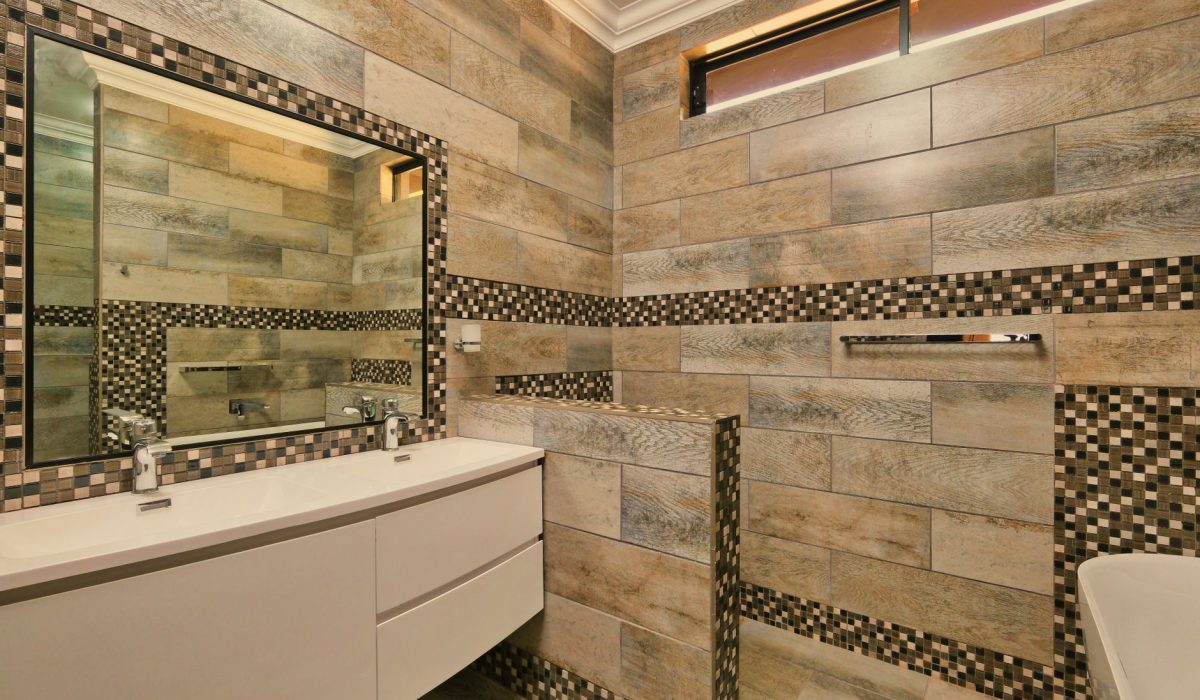
A bathroom is one of the most frequently used spaces in a home, yet it is often overlooked when homeowners consider improvements. Over time, outdated fixtures, worn surfaces, poor storage, inefficient layouts, and moisture-related problems can make the space less comfortable and less practical. A well-planned renovation can address these concerns while creating a cleaner, more attractive, and functional environment. A professional bathroom remodel can bring together design, construction, material selection, and practical improvements to create a space that fits the needs of the household. Whether the goal is a simple update or a complete transformation, careful planning helps ensure that every part of the project works together.
Planning a Bathroom Renovation Around Your Needs
Successful bathroom improvements begin with understanding how the space is currently used and what problems need to be solved. Some homeowners may want to replace outdated finishes, while others may need a complete change to the layout, plumbing fixtures, storage, lighting, and surfaces. Before construction begins, it is useful to identify the features that are working well and those that create daily frustrations. Limited storage, insufficient lighting, awkward fixture placement, difficult-to-clean materials, and aging plumbing components can all influence the renovation plan. A professional remodeling team can evaluate the existing space and help develop a practical approach based on the property's structure and the homeowner's priorities.Budget planning is another important part of the process. A renovation can involve numerous individual components, including demolition, plumbing, electrical work, flooring, wall finishes, cabinetry, countertops, fixtures, lighting, ventilation, and installation. Establishing priorities before work begins can make it easier to allocate the available budget effectively. Homeowners should also consider the long-term value of durable materials rather than choosing products based solely on their initial price. A well-planned budget allows important structural and functional improvements to receive appropriate attention while leaving room for aesthetic details that complete the design.
Creating a More Functional Layout
The layout has a major influence on how comfortable and convenient a bathroom feels. Even attractive materials cannot compensate for a poorly organized floor plan. A renovation provides an opportunity to reconsider the placement of the vanity, shower, bathtub, toilet, storage areas, and other features. Improving circulation can make the room feel more spacious without necessarily increasing its physical size. In some cases, changing the position of a fixture or replacing an oversized component with a more appropriately sized option can significantly improve usability.
Professional planning is especially important when a renovation involves moving plumbing lines or electrical components. These changes may require additional work behind walls or beneath flooring, making accurate planning essential. A qualified remodeling team can evaluate the existing configuration and determine which changes are practical. The objective should be to create a layout that supports everyday routines while maintaining appropriate access, ventilation, lighting, and functionality. Good design considers not only how the room looks but also how people move through and use it every day.
Choosing Durable Materials and Finishes
Bathrooms experience frequent exposure to water, humidity, cleaning products, and temperature changes, so material selection should focus on durability as well as appearance. Flooring, wall surfaces, countertops, cabinetry, and fixtures should be chosen with the demands of the environment in mind. Water-resistant and easy-to-maintain materials can help preserve the finished space and reduce routine maintenance requirements. Selecting appropriate products also helps prevent premature deterioration caused by constant moisture exposure.The visual character of the bathroom can be shaped through colors, textures, patterns, hardware, and surface finishes. Some homeowners prefer a simple and timeless design that remains appealing for many years, while others may want contemporary features and distinctive decorative details. The most effective approach is to combine personal preferences with practical considerations. A cohesive selection of materials can make the room feel intentional rather than visually crowded. Professional guidance can also help homeowners coordinate different finishes so that flooring, cabinetry, fixtures, walls, and countertops complement one another.
Improving Shower and Bath Areas
The shower or bathtub often serves as one of the primary focal points of a bathroom. Replacing an old enclosure or inefficient bathing area can provide both aesthetic and practical benefits. Modern shower designs can include larger layouts, convenient shelving, handheld fixtures, improved controls, and other features that make everyday use more comfortable. Depending on the available space, homeowners may choose a spacious walk-in shower, a traditional tub, or a combination that accommodates different household preferences.Proper installation is particularly important in wet areas. Shower walls, floors, drains, waterproofing systems, and surrounding surfaces must be installed correctly to help protect the structure beneath them. Poorly installed waterproofing can allow moisture to penetrate behind finished surfaces, potentially resulting in damage over time. For this reason, a professional renovation should focus on the construction details beneath the visible finishes as much as the final appearance.
Upgrading Vanities and Storage
Storage is one of the most valuable improvements in many bathroom renovation projects. A lack of organized storage can cause countertops to become cluttered and make cleaning more difficult. Replacing an outdated vanity with a more functional design can provide additional drawers, cabinets, shelving, or countertop space. Storage should be planned according to the items that are regularly used, including toiletries, towels, grooming products, cleaning supplies, and personal care accessories.
Custom or carefully selected cabinetry can also make better use of unusual spaces. Instead of leaving corners or wall sections unused, a renovation can incorporate practical storage solutions that fit the room's dimensions. Wall-mounted cabinets, recessed shelving, medicine cabinets, and built-in niches can help maximize available space without making the room feel crowded. Good storage design contributes to a cleaner appearance while making everyday routines more convenient.
Enhancing Bathroom Lighting
Lighting can dramatically affect both the appearance and functionality of a renovated bathroom. A single overhead fixture may not provide sufficient illumination for grooming, cleaning, or other daily activities. A layered lighting plan can combine general illumination with task lighting around mirrors and additional accent lighting where appropriate. This creates a more balanced environment and allows different areas of the room to be illuminated according to their purpose.Natural light can also influence the design when windows or other openings are available. However, privacy remains an important consideration. Window treatments, appropriate glass options, and thoughtful fixture placement can help maintain privacy while allowing natural light to enter. Professional electrical planning is important when adding or relocating lighting because bathroom environments require careful consideration of electrical safety and moisture exposure.
Addressing Ventilation and Moisture
Moisture management should be treated as a fundamental part of any bathroom renovation. Frequent exposure to steam and water can increase humidity, particularly when ventilation is inadequate. Persistent moisture may contribute to unpleasant odors, surface deterioration, and mold growth. An appropriately sized exhaust fan and effective ventilation strategy can help remove humid air and support a healthier, more durable environment.During renovation, it is also worthwhile to inspect areas that may have been affected by previous moisture problems. Damaged materials, deteriorated caulking, plumbing leaks, or poorly sealed areas should be addressed before new finishes are installed. Covering an existing problem with new materials may only postpone the issue. Proper preparation ensures that the finished renovation is built on a sound foundation and can perform well for years.
Updating Plumbing Fixtures
Replacing old plumbing fixtures can improve both appearance and efficiency. Modern faucets, showerheads, toilets, and other fixtures are available in a wide variety of designs and performance options. Homeowners can select styles that complement the overall renovation while considering water usage, durability, ease of cleaning, and long-term maintenance.Fixture placement should also be considered during the planning stage. A beautiful fixture will not provide much benefit if its position makes the room difficult to use. Professional installation helps ensure that connections are secure and components are properly fitted. If plumbing lines need to be moved, the remodeling team can coordinate those changes with the overall layout so that the final design remains practical and visually balanced.
Creating a Cohesive Interior Design
A successful renovation should feel like a complete design rather than a collection of unrelated upgrades. This means considering how every component works together, from the flooring and wall surfaces to the vanity, hardware, mirrors, lighting, and plumbing fixtures. Consistency in finishes and proportions can create a polished appearance without requiring excessive decoration.Interior design choices should also reflect the intended atmosphere of the room. Neutral colors and natural textures can create a calm and timeless environment, while contrasting materials and modern fixtures can produce a more contemporary appearance. Regardless of the preferred style, durability and functionality should remain central to the decision-making process. A bathroom should look appealing while continuing to perform well under everyday use.
Considering Accessibility and Long-Term Comfort
A renovation is also an opportunity to make the space more comfortable for changing needs. Features such as wider clearances, easy-to-access storage, appropriate fixture heights, walk-in showers, and strategically positioned support features can improve usability. These considerations can be valuable for homeowners who want the bathroom to remain functional for many years.Accessibility does not have to mean sacrificing style. Modern design solutions can incorporate practical features in a way that looks attractive and intentional. Planning for long-term comfort can also reduce the need for major modifications later. By thinking beyond immediate preferences, homeowners can create a bathroom that serves the household effectively as needs evolve.
The Importance of Professional Remodeling Services
Bathroom renovation involves multiple trades and technical details, including demolition, plumbing, electrical work, carpentry, waterproofing, flooring, cabinetry, painting, and fixture installation. Coordinating these tasks requires careful scheduling and attention to detail. Professional remodeling services can manage the different stages of the project and ensure that the work progresses in an organized manner.Experienced professionals can also identify potential problems that may not be obvious to homeowners. Hidden water damage, outdated plumbing, inadequate ventilation, uneven surfaces, and structural concerns can become more expensive to correct if they are discovered after new finishes have already been installed. Addressing these issues during the renovation process can help protect the investment and reduce the likelihood of future repairs.
Preparing for a Smooth Renovation
Preparation can make the remodeling process more manageable. Homeowners should establish a clear scope of work, select materials in advance when possible, and discuss expectations with the remodeling team before construction starts. Understanding the sequence of work can also help homeowners prepare for temporary changes to their daily routine.Clear communication is important throughout the project. Changes to materials, layouts, or design details can affect schedules and costs, so decisions should be discussed before work proceeds whenever possible. A professional contractor should provide clear information about the project and communicate important developments during construction. This approach helps reduce confusion and allows homeowners to remain informed as the renovation progresses.
Adding Value Through Quality Improvements
A well-executed renovation can contribute to the overall appeal and functionality of a property. Updated fixtures, attractive finishes, improved storage, better lighting, and a more practical layout can make the space more enjoyable for current occupants while potentially increasing its appeal to future buyers. However, the strongest value usually comes from combining attractive design with quality workmanship and durable materials.Homeowners should avoid focusing exclusively on temporary trends. While popular styles can provide inspiration, a balanced design with timeless elements is often easier to maintain and adapt. Quality construction beneath the visible finishes is equally important. A beautiful bathroom with poor waterproofing or improper installation may create problems later, whereas careful workmanship can support lasting performance.
Conclusion
A thoughtfully planned renovation can turn an outdated or inefficient bathroom into a comfortable, functional, and attractive part of the home. From improving the layout and installing durable materials to upgrading storage, lighting, ventilation, plumbing fixtures, and wet areas, every decision can contribute to the overall result. Professional planning and installation are particularly valuable because bathroom construction involves technical details that can affect both appearance and long-term performance. By combining practical improvements with a cohesive design and quality workmanship, homeowners can create a space that meets their current needs while remaining comfortable and useful for years to come. Choosing an experienced team for a complete bathroom remodel can make the process more organized and help ensure that the finished space reflects both the property's requirements and the homeowner's vision.