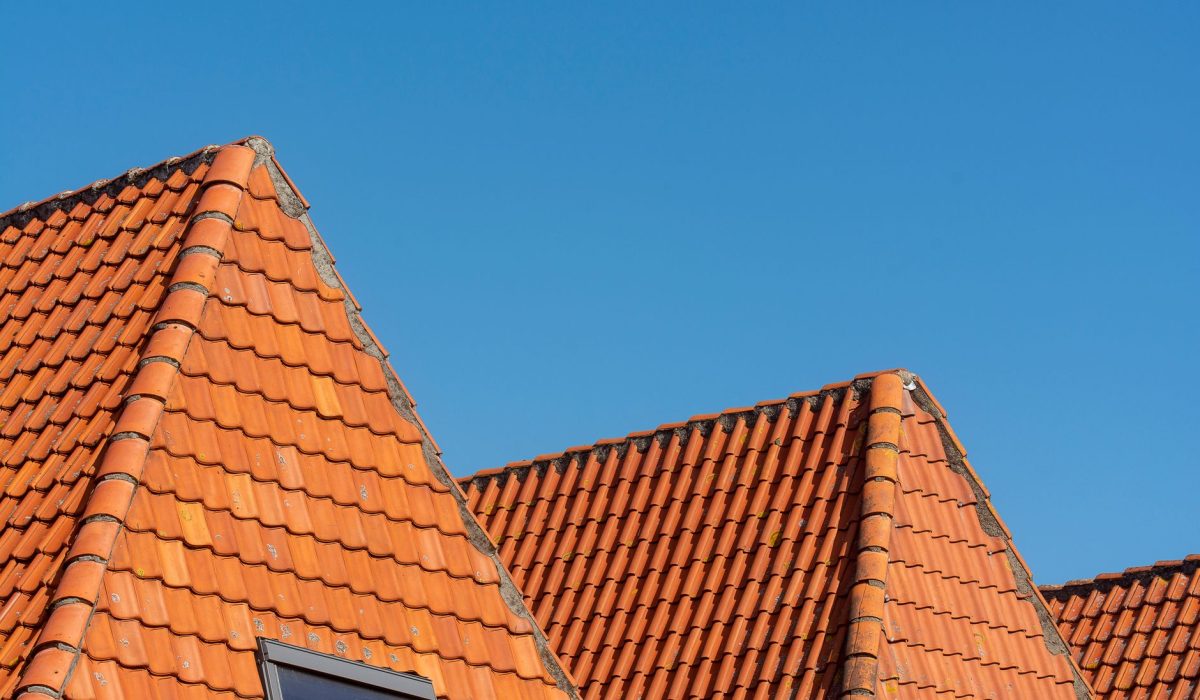
A roof is one of the most important protective components of any building. It shields the interior from rain, moisture, sunlight, wind, debris, and changing weather conditions while also contributing significantly to the overall appearance of the property. Because a roof is constantly exposed to the elements, dirt, organic growth, stains, leaves, and other contaminants can gradually accumulate on its surface. Without appropriate maintenance, these substances can affect the appearance of roofing materials and may contribute to premature deterioration. Regular roof maintenance is therefore an important part of protecting the structure and preserving the useful life of the roofing system.
Professional roof cleaning can be an effective way to remove accumulated dirt and organic debris while helping maintain the appearance and condition of roofing materials. A proper cleaning approach should be based on the type of roof, the condition of the surface, and the contaminants present. Professional exterior cleaning may also be combined with related services such as soft washing, gutter cleaning, house washing, pressure washing where appropriate, and other maintenance solutions. Taking a complete approach to exterior care can help property owners address visible problems while also supporting long-term maintenance.
Why Roof Maintenance Matters
Roofs are exposed to environmental conditions every day, making them vulnerable to gradual buildup. Dust, pollen, leaves, branches, moisture, and airborne pollutants can settle on the surface. In areas where moisture remains for extended periods, organic growth may also develop. These conditions can make a roof appear older and less maintained even when the underlying roofing system is still performing properly.Regular maintenance helps property owners identify surface problems before they become more serious. Cleaning can also make it easier to see damaged shingles, deteriorated flashing, blocked drainage areas, or other concerns that may otherwise be hidden beneath dirt and organic buildup. While cleaning itself does not replace roof repairs or inspections, it can be an important part of an overall maintenance strategy.
Understanding Common Roof Contaminants
Different contaminants can accumulate on roofing materials depending on environmental conditions and the surrounding property. Dirt and dust are among the most common, but roofs may also collect leaves, twigs, pollen, bird-related debris, and airborne pollutants. Moisture can encourage the growth of algae, moss, and other organic matter on suitable roofing surfaces.
Dark streaks on roofing materials are often associated with algae growth. Moss may appear as green patches or thicker growth, particularly where moisture and shade are present. Lichen can also attach itself to roofing materials and become difficult to remove if it remains untreated for long periods.Understanding what is actually present on the roof is important because different contaminants may require different cleaning methods. A professional should evaluate the surface before choosing cleaning solutions or equipment.
The Importance of Choosing the Right Cleaning Method
Not every roof should be cleaned using the same technique. Roofing materials can differ considerably in their durability, surface texture, age, and manufacturer requirements. Using an overly aggressive method on a delicate roofing material can cause unnecessary damage.Soft washing is often considered a suitable approach for many roofing surfaces because it relies on cleaning solutions and controlled application rather than excessive mechanical force. The specific method should always be selected based on the roof's material and condition.Pressure washing may be appropriate for certain exterior surfaces, but high-pressure cleaning is not automatically suitable for every roof. Excessive pressure can loosen materials, remove protective surface granules, or cause water to enter areas where it does not belong. Professional assessment helps determine the safest approach.
Soft Washing for Roofing Surfaces
Soft washing is a low-pressure cleaning method designed to address organic growth and surface contaminants without relying primarily on high-pressure water. Instead, appropriate cleaning solutions are applied to the affected areas and allowed to work before the surface is carefully rinsed.This approach can be particularly useful for roofs where aggressive pressure could damage the surface. The objective is not simply to make the roof look clean immediately but to address the underlying organic buildup while minimizing unnecessary physical stress on roofing materials.A professional soft washing process should also include appropriate protection for nearby landscaping, exterior walls, windows, doors, and other surfaces. Careful preparation and controlled application are important parts of responsible exterior cleaning.
Protecting Roofing Materials During Cleaning
The condition of the roof should always be considered before cleaning begins. Older roofs may have weakened materials, loose shingles, damaged flashing, or other existing problems that require attention. Cleaning a damaged surface without recognizing these conditions can create additional complications.Professionals should inspect visible areas for signs of deterioration and adjust the cleaning approach accordingly. If significant damage is identified, repairs may need to be completed before or alongside cleaning.Proper technique is particularly important for asphalt shingles. Excessive pressure or aggressive brushing can remove surface granules that contribute to the shingle's protective performance. A careful cleaning process should focus on removing contaminants without unnecessarily disturbing the roofing material.
How Roof Cleaning Can Improve Curb Appeal
The appearance of a roof can significantly influence the overall look of a property. Dark streaks, moss, algae, accumulated dirt, and debris can make an otherwise well-maintained building appear neglected. Removing these contaminants can create a cleaner and more uniform appearance.This can be especially valuable when preparing a property for sale, rental, refinancing, or other major property-related decisions. A clean exterior can contribute to the property's visual presentation and demonstrate that routine maintenance has been taken seriously.Cleaning should not be viewed as a cosmetic task alone, however. The most valuable approach combines appearance improvements with appropriate maintenance practices that help protect the roof and surrounding exterior surfaces.
Removing Moss and Organic Growth
Moss can be particularly problematic because it retains moisture and can establish itself around roofing materials. As moss expands, it may lift or disturb shingles and create conditions that encourage continued moisture exposure.Removing moss should be approached carefully. Pulling or scraping established growth aggressively can damage roofing materials. Appropriate cleaning solutions and controlled techniques can help address organic growth while reducing unnecessary stress on the roof.After removal, property owners should consider why moss developed in the first place. Persistent shade, moisture, poor drainage, and nearby vegetation may contribute to recurring growth. Addressing these conditions can support longer-lasting maintenance results.
Managing Algae and Dark Roof Streaks
Algae-related streaking is a common reason property owners seek professional roof cleaning. The dark appearance can spread across portions of the roof and make the entire structure appear older than it actually is.Cleaning can improve the appearance by removing the visible buildup and treating affected areas appropriately. However, recurring algae may indicate environmental conditions that support continued growth. Trees, moisture, limited sunlight, and roof drainage patterns can all influence how quickly contaminants return.A maintenance plan that combines periodic cleaning with attention to surrounding conditions may provide better long-term results than treating the surface only after heavy buildup develops.
The Relationship Between Roof and Gutter Cleaning
Roof drainage and gutter systems work together to move rainwater away from the building. When leaves, branches, moss, and other debris accumulate on the roof, some of that material may eventually reach gutters and downspouts.Blocked gutters can prevent water from draining properly and may contribute to overflowing water around the roofline. Water can then affect siding, fascia, soffits, landscaping, foundations, and other exterior components.For this reason, roof maintenance should often be considered alongside gutter cleaning. Keeping both surfaces clear can support proper water movement and reduce the likelihood of drainage-related problems.
House Washing and Exterior Maintenance
A clean roof can make a significant difference, but other exterior surfaces also contribute to the overall condition and appearance of a property. Siding, brick, concrete, decks, patios, fences, windows, and other areas can accumulate dirt and organic growth.House washing can help remove surface contaminants from exterior walls and improve the overall appearance of the property. When combined with roof and gutter maintenance, exterior cleaning can create a more comprehensive approach to property care.Different materials require different cleaning methods. A technique that is appropriate for concrete may not be appropriate for siding or roofing. Professional exterior cleaning should therefore consider the material being treated rather than applying one method to every surface.
When to Consider Professional Cleaning
Property owners may notice several signs that indicate it is time to consider professional cleaning. Visible dark streaks, green moss, organic growth, accumulated debris, stained roofing materials, and clogged gutters can all indicate that exterior maintenance is needed.
Another consideration is the age and condition of the roof. Older roofing systems may benefit from regular monitoring and gentle maintenance, although cleaning should be performed only when the roof is suitable for the process.Homeowners should also consider cleaning before major property events. If a property is being prepared for sale, exterior maintenance can improve its presentation. Likewise, routine cleaning can help maintain a property's appearance between larger maintenance projects.
Why DIY Roof Cleaning Can Be Risky
Roof cleaning may appear simple, but working on a roof involves physical and material-related risks. Slippery surfaces, steep slopes, wet materials, ladders, and cleaning solutions can create hazardous conditions.There is also a risk of using the wrong equipment or cleaning technique. High-pressure equipment may damage roofing materials, while incorrect cleaning solutions can affect plants, exterior finishes, or other surfaces.Professional cleaners have experience working with exterior surfaces and can select equipment and techniques appropriate for the situation. This can reduce the risks associated with climbing onto a roof and attempting to complete the work without appropriate preparation.
Protecting Landscaping During Exterior Cleaning
Cleaning solutions and runoff should be managed carefully because landscaping may be located directly below roof edges. Flowers, shrubs, grass, trees, and other plants can be sensitive to certain substances.Responsible exterior cleaning includes appropriate preparation and protection of surrounding areas. Downspouts and drainage paths should also be considered so that runoff does not create unnecessary problems elsewhere on the property.Professional planning can help ensure that the cleaning process focuses on the roof while minimizing potential effects on nearby surfaces and vegetation.
Roof Sealing and Additional Maintenance
Depending on the roof's condition and material, additional maintenance services may sometimes be considered after cleaning. Roof sealing can be useful in certain situations, but it is not automatically appropriate for every roofing system.The roof should first be evaluated to determine whether sealing is suitable and whether existing damage needs repair. Applying a product over damaged or unsuitable materials may conceal problems rather than solve them.Maintenance should therefore be based on the actual condition of the roof rather than a one-size-fits-all approach. Cleaning, inspection, repair, and sealing should each have a specific purpose within the overall maintenance strategy.
How Often Should a Roof Be Cleaned?
There is no universal cleaning schedule that applies to every property. The ideal frequency depends on the roofing material, surrounding vegetation, climate, roof slope, moisture exposure, and amount of organic growth.Properties surrounded by mature trees may experience more leaves and organic debris than properties with little vegetation nearby. Roofs with significant shade may also experience more persistent moisture and organic growth.Rather than relying solely on a fixed schedule, property owners can monitor the roof's condition and arrange professional cleaning when buildup becomes noticeable or when maintenance is otherwise appropriate. Regular visual inspections can help identify changes before buildup becomes extensive.
Combining Cleaning With Roof Inspections
Cleaning can provide an opportunity to observe the visible condition of the roofing system. Once dirt and organic growth are removed, damaged areas may be easier to identify.An inspection can look for missing or damaged shingles, deteriorated flashing, exposed materials, drainage concerns, and other visible issues. Identifying these problems early may allow property owners to address them before they become more significant.Cleaning does not replace a professional roof inspection, especially when there are signs of leaks, structural concerns, storm damage, or significant deterioration. Instead, it can be one component of a broader roof maintenance program.
Long-Term Benefits of Regular Exterior Care
Consistent exterior maintenance can help preserve the appearance and condition of a property over time. Removing dirt and organic buildup prevents contaminants from remaining on surfaces indefinitely and provides opportunities to identify developing problems.Regular maintenance can also make larger cleaning projects easier. Heavy buildup that remains untreated for many years may require more intensive attention than routine cleaning performed periodically.A property maintenance plan can include roof cleaning, gutter cleaning, house washing, soft washing, appropriate pressure washing, and other exterior services based on the building's needs. The goal is to keep exterior surfaces in good condition while addressing problems before they become more difficult to manage.
Choosing a Professional Cleaning Service
When selecting a professional exterior cleaning provider, property owners should consider experience, cleaning methods, equipment, safety practices, and the company's understanding of different roofing materials. A provider should be willing to assess the roof before beginning work rather than automatically applying the same process to every property.It is also useful to ask what precautions will be taken to protect landscaping, siding, windows, gutters, and other surrounding surfaces. Clear communication about the cleaning process can help property owners understand what will be done and why.A reputable service should focus on appropriate cleaning techniques rather than simply using the strongest available equipment. The objective should be effective cleaning while protecting the underlying roofing materials.
Conclusion
A roof plays a critical role in protecting a property, and keeping it clean can be an important part of responsible exterior maintenance. Dirt, algae, moss, leaves, and other contaminants can affect appearance and may contribute to moisture-related concerns when allowed to remain on roofing surfaces for extended periods. Regular maintenance can help property owners identify potential issues, preserve curb appeal, and support the long-term condition of their roofing system.Professional cleaning methods should always be selected according to the type and condition of the roof. Soft washing can provide a controlled approach for many surfaces, while other exterior areas may require different techniques. Combining roof maintenance with gutter cleaning, house washing, inspections, and appropriate exterior care can provide a more complete strategy for protecting the property.Ultimately, professional roof cleaning is about more than improving the appearance of a building. It can be an important component of preventive maintenance that helps property owners monitor their roofs, address organic buildup, and keep exterior surfaces looking well cared for. With appropriate methods, regular inspections, and timely maintenance, property owners can take meaningful steps toward preserving their roofing system and protecting the investment represented by their property.