A roof is one of the most important structural components of any home. It protects the interior from rain, wind, snow, heat, moisture, and other outdoor conditions while also contributing to energy efficiency, comfort, and curb appeal. Because the roof is constantly exposed to changing weather, even a well-built system eventually requires professional attention. Choosing the right materials, installation methods, maintenance practices, and repair solutions can make a significant difference in how well a roof performs over the years.A properly designed residential roofing system is more than a layer of shingles placed over a house. It is a complete assembly that includes decking, underlayment, flashing, ventilation, drainage components, and the selected roofing material. Each component has a specific role, and problems with one part can eventually affect the performance of the entire system. Professional roofing services help homeowners identify these issues early and determine whether a repair, replacement, or another solution is appropriate.
Understanding the Importance of a Reliable Roof
A dependable roof provides the first line of defense between a home and the elements. Water infiltration can damage insulation, drywall, ceilings, framing, flooring, and personal belongings. Strong winds can loosen roofing materials, while prolonged exposure to sunlight can cause some materials to deteriorate. Poor ventilation can also contribute to moisture accumulation and premature aging.A quality roof helps reduce these risks by directing water away from the structure and creating a durable barrier against outdoor conditions. Professional installation is particularly important because even high-quality roofing materials can perform poorly when they are installed incorrectly. Proper fastening, flashing placement, underlayment installation, ventilation, and drainage all contribute to long-term performance.Homeowners should also understand that roof problems are not always immediately visible from the ground. A small damaged area may allow moisture to enter beneath the surface before a noticeable ceiling stain appears. Regular inspections can therefore provide valuable information about the current condition of the roof and help prevent minor problems from becoming expensive structural concerns.
Choosing the Right Roofing Material
Roofing materials have different appearances, performance characteristics, maintenance requirements, and expected service lives. Selecting the right option should depend on the home's design, roof structure, budget, performance expectations, and long-term goals.
Asphalt roofing remains a popular choice because it offers versatility, attractive appearance, and practical performance. It is available in a range of styles and can complement many residential designs. Architectural shingles can provide additional dimensional appeal while creating a durable protective surface.Metal roofing is another option for homeowners seeking long-term durability and a distinctive appearance. Properly installed metal systems can provide strong resistance to many weather conditions and may require relatively little maintenance. Metal roofing can also be suitable for homeowners interested in a modern or traditional architectural appearance, depending on the selected profile and finish.Synthetic roofing products can provide the appearance of materials such as slate, cedar shake, or Spanish tile while offering different maintenance and performance characteristics. These alternatives can give homeowners more design flexibility without necessarily requiring the same structural considerations associated with some traditional materials.Flat roofing systems require specialized planning because water drainage and membrane performance are particularly important. A properly installed flat roof should include an effective drainage strategy, appropriate materials, and carefully installed seams and flashing.
Recognizing Signs of Roof Damage
Knowing the warning signs of roof damage can help homeowners take action before a problem becomes more serious. Missing, cracked, curling, or damaged shingles are obvious signs that a roof may need professional attention. However, there are several less visible indicators that should also be considered.Water stains on ceilings or walls may indicate that moisture has entered through the roof or another part of the building envelope. Damp insulation, peeling paint, or unexplained interior moisture can also justify an inspection. Homeowners may notice granules collecting in gutters as roofing materials age, while exposed or deteriorating flashing can create opportunities for water infiltration.Sagging areas deserve immediate attention because they may indicate problems with the roof deck or supporting structure. Likewise, visible daylight through the roof decking in an attic can indicate gaps or damaged materials. A professional evaluation can help determine the source of the problem and prevent unnecessary repairs based on symptoms alone.After severe weather, an inspection can be especially valuable. High winds, falling branches, hail, and heavy precipitation can damage roofing components even when the roof looks acceptable from the ground. Early assessment makes it easier to document damage and determine the appropriate next step.
The Value of Professional Roof Inspections
Roof inspections provide homeowners with a clearer understanding of their roof's condition. A professional inspection can examine visible roofing materials, flashing, ventilation, drainage components, and other accessible areas for signs of deterioration.Inspections are useful when buying or selling a home, preparing for seasonal weather, investigating suspected leaks, or determining whether an older roof should be repaired or replaced. They can also help homeowners prioritize maintenance instead of waiting until a serious failure occurs.A professional roofer can distinguish between normal aging and conditions that require immediate attention. This distinction is important because not every worn-looking component requires complete replacement. In some cases, targeted repairs can restore performance and extend the useful life of the existing roof. In other situations, extensive deterioration may make replacement the more practical long-term solution.
When Roof Repair Makes Sense
Roof repair can be an effective option when damage is limited and the remaining roofing system is still in suitable condition. Repairs may address issues such as damaged shingles, localized leaks, deteriorated flashing, or other isolated problems.The key is to identify the source of the issue rather than simply covering the visible symptom. A leak may appear in one area inside the home while the actual entry point is several feet away on the roof. Professional diagnosis helps ensure that repairs address the underlying cause.Timely repairs can also help prevent secondary damage. A small opening can allow water to reach the decking and insulation, potentially creating conditions for rot, staining, mold growth, or structural deterioration. Addressing the issue early can therefore protect both the roofing system and the interior of the home.
Knowing When Replacement Is the Better Choice
There comes a point when repeated repairs may no longer provide the best value. An aging roof with widespread deterioration, recurring leaks, extensive material damage, or compromised decking may be a candidate for replacement.A roof replacement provides an opportunity to address underlying issues and install a complete system designed for long-term performance. During replacement, professionals can evaluate the decking, ventilation, flashing, underlayment, and other components that may not be accessible during a simple repair.Replacement also allows homeowners to reconsider material selection and improve the overall design of the roofing system. Choosing durable materials and proper installation methods can provide greater confidence in the roof's ability to handle future weather conditions.Homeowners should not wait for catastrophic failure before considering replacement. A proactive approach can make planning easier and may reduce the risk of emergency damage, interior water intrusion, and unexpected disruption.
The Importance of Proper Roof Ventilation
Ventilation is an often-overlooked part of a roofing system. A properly ventilated attic allows heat and moisture to move out of the structure, helping maintain a more balanced environment beneath the roof.Excessive attic heat can contribute to premature aging of some roofing materials, while trapped moisture can encourage condensation and deterioration. Proper ventilation works together with insulation to support the overall performance of the home.Roofing professionals can evaluate existing ventilation and determine whether intake and exhaust components are functioning effectively. Improvements may be appropriate during a roof replacement or as part of broader attic and roofing maintenance.
Gutters and Roof Drainage Matter
A roof can only perform properly when water has an effective path away from the structure. Gutters and downspouts play an important role by collecting runoff and directing it away from walls, foundations, landscaping, and other vulnerable areas.Clogged or damaged gutters can cause water to overflow and potentially contribute to fascia damage, staining, soil erosion, or foundation-related concerns. Properly functioning gutter systems complement the roof by helping manage rainwater efficiently.Homeowners should inspect gutters periodically and remove accumulated leaves, branches, and other debris. Gutter systems should also be checked for loose sections, improper slopes, damaged joints, and blocked downspouts. Professional gutter services can be particularly useful when drainage problems continue despite routine cleaning.
Storm Damage Requires Prompt Attention
Severe weather can create roofing problems that are difficult to identify without a professional inspection. High winds may loosen shingles or other roofing components, while hail can create impacts that weaken materials. Falling branches can puncture or damage roofing surfaces and decking.After a major storm, homeowners should look for obvious signs of damage but should avoid climbing onto the roof themselves. Roofing surfaces can be slippery, unstable, or structurally compromised after severe weather. A professional inspection is a safer and more reliable way to evaluate the condition of the system.Storm restoration may involve repairs, replacement of damaged components, or a complete roof replacement depending on the severity and extent of the damage. Prompt action can help prevent temporary storm damage from developing into a larger water-infiltration problem.
Why Installation Quality Matters
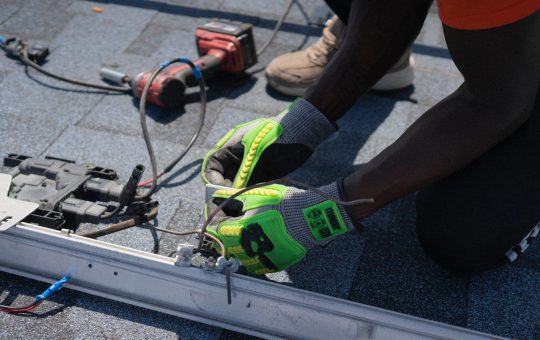
The quality of installation can be just as important as the quality of the roofing material. Even premium products require correct preparation and installation to achieve their intended performance.Professional installation involves preparing the roof deck, installing appropriate underlayment, placing flashing correctly, following manufacturer requirements, and ensuring that roofing materials are properly aligned and secured. Ventilation and drainage must also be considered as part of the overall system.Experienced roofing professionals understand how individual components work together. This comprehensive approach helps reduce installation-related problems and provides homeowners with a roofing system designed for durability and dependable protection.For homeowners seeking professional guidance,residential roofing services can provide solutions ranging from roof installation and replacement to storm restoration, gutter systems, soffit and fascia work, and multiple roofing material options.
Maintaining the Roof for Long-Term Performance
Although no roof lasts forever, regular maintenance can help maximize its useful life. Homeowners should keep trees and branches from creating unnecessary contact with the roof, maintain clean gutters, and monitor the attic for signs of moisture.Routine inspections are another valuable maintenance practice. Instead of waiting for a leak or visible failure, homeowners can have potential concerns evaluated while they are still manageable. Small repairs can often be addressed more efficiently than widespread damage.Maintenance should also include attention to areas where different roofing materials or surfaces meet. Flashing around chimneys, vents, skylights, and roof edges can become vulnerable over time. Keeping these transition areas in good condition is an important part of protecting the entire roof.
Improving Curb Appeal and Home Value
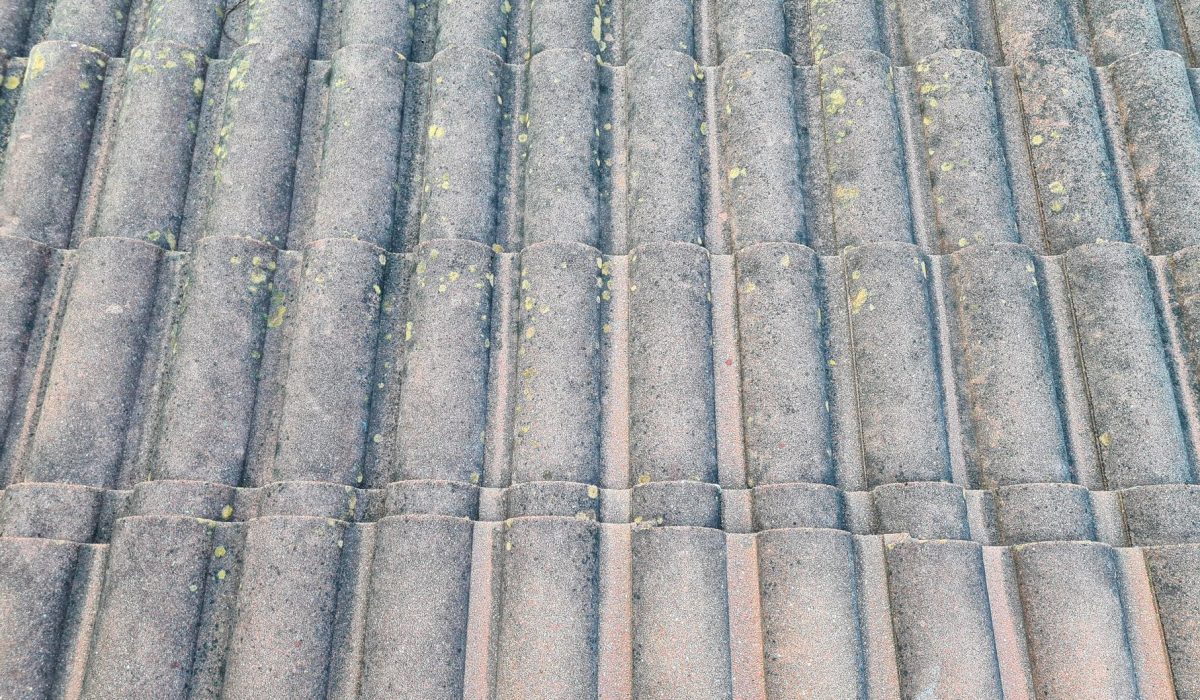
A roof has a major visual impact on a home's exterior. Damaged, stained, or aging roofing materials can make an otherwise attractive property look neglected. A professionally installed new roof can improve the overall appearance while providing important structural protection.Material selection can also influence architectural character. Shingles can create a classic appearance, metal can offer a contemporary profile, and synthetic products can replicate the appearance of premium traditional materials. Homeowners can select a roofing style that complements siding, trim, windows, doors, and other exterior features.A well-maintained roof can also contribute to buyer confidence when a property is eventually sold. Buyers often pay close attention to major structural systems, and evidence of professional installation and regular maintenance can make a property more appealing.
Planning a Roofing Project
A successful roofing project begins with a clear understanding of the property's needs. Homeowners should consider the current condition of the roof, the age of the existing materials, the extent of any damage, desired appearance, material options, ventilation, drainage, and long-term maintenance requirements.Professional roofers can inspect the existing system and explain available options based on its condition. Rather than selecting a solution based solely on the lowest initial price, homeowners should consider material quality, installation standards, warranty coverage, durability, and the expected service life of the finished system.A clear project plan also helps reduce unexpected surprises. Understanding what will happen during preparation, installation, cleanup, and final inspection allows homeowners to make informed decisions and better manage the project from beginning to end.
Conclusion
A dependable roof is essential for protecting a home, its occupants, and its long-term value. From asphalt and metal systems to synthetic slate, cedar shake, Spanish tile, and flat roofing solutions, homeowners have a wide range of options for improving both performance and appearance. The right choice depends on the property's structure, design, budget, environmental demands, and long-term goals.Regular inspections, timely repairs, effective ventilation, properly maintained gutters, and professional installation all contribute to a stronger roofing system. When damage becomes widespread or a roof reaches the end of its useful life, replacement can provide a practical opportunity to improve protection and address underlying concerns.Choosing an experienced roofing professional is an important part of achieving lasting results. With careful planning, quality materials, skilled workmanship, and ongoing maintenance, residential roofing can provide dependable protection and attractive performance for many years. Whether the need involves a new installation, repair, replacement, storm restoration, gutters, soffit and fascia, or another roofing solution, professional attention can help ensure that the home remains protected from the elements.