
Most people choose glasses by looking in the mirror and asking one question: do these suit me? Fair enough. Style matters, especially when you are going to wear something on your face every day. But a great pair of specs is about much more than how the front of the frame looks.
The comfort, fit, durability and even the way your lenses perform all depend on the small parts working together properly. Once you understand the basic anatomy of eyewear, choosing the right glasses frames becomes much easier. You start noticing the details that separate a pair that simply looks good from one that actually feels good all day.
Let us break down the main parts of a pair of glasses and what each one does.
Why Frame Structure Matters
A pair of glasses might look simple, but every part has a job. The front holds the lenses in the right position. The bridge controls how the frame rests on your nose. The arms keep everything secure behind your ears. The hinges allow movement without losing alignment.
If one of these parts is poorly made or badly fitted, the whole pair can feel wrong. You may get pressure on your nose, slipping during the day, marks behind your ears, or vision that never feels quite settled. This is why the build of glasses frames is just as important as the shape or colour.
Good eyewear should do three things well:
- Sit comfortably without pinching
- Hold the lenses in the correct position
- Stay stable during normal daily movement
If your glasses can do those things while also suiting your face, you are on the right track.
The Frame Front
The frame front is the part most people notice first. It surrounds the lenses and gives the glasses their overall shape. This is where style plays the biggest role, whether you prefer rectangular, round, oval, cat-eye, aviator or square frames.
However, the frame front is not only about appearance. It also affects lens size, weight and visual comfort. Larger lenses may offer a wider field of vision, but they can also make the glasses heavier. Smaller lenses can look neat and lightweight, but they may not suit every prescription or lens type.
For example, stronger prescriptions often benefit from smaller lens shapes because the lenses can be thinner and lighter. Varifocal lenses, on the other hand, usually need enough vertical depth to allow the different vision zones to work properly.
So, when choosing a frame front, think about both your face and your prescription.
The Bridge
The bridge is the part that sits across your nose and connects the two lenses. It might seem like a small detail, but it has a huge impact on comfort.
A bridge that is too narrow can pinch and leave red marks. A bridge that is too wide can make your glasses slide down constantly. The right bridge should distribute weight evenly across your nose without needing constant adjustment.
There are different bridge styles, including:
| Bridge Type | Best For | Key Benefit |
| Keyhole bridge | Wider or flatter nose bridges | Spreads weight more evenly |
| Saddle bridge | Everyday comfort | Smooth, continuous support |
| Adjustable nose pad bridge | Custom fit | Allows precise adjustment |
| Double bridge | Style-led frames | Adds structure and visual detail |
People with lower nose bridges often find adjustable nose pads more comfortable because they allow the frame to sit higher and more securely.
Nose Pads
Not all glasses have nose pads. Plastic or acetate frames often have a moulded bridge that rests directly on the nose, while metal frames usually include separate adjustable pads.
Nose pads help fine-tune how the glasses sit. They can be moved slightly closer together, further apart, higher or lower depending on what feels right. This makes them especially useful if your glasses tend to slip or sit unevenly.
The material also matters. Silicone nose pads are soft and grippy, which helps prevent slipping. Harder plastic pads may last longer but can feel less comfortable for some people.
If your glasses leave deep marks or feel like they are pressing into your nose, the nose pads may need adjusting rather than replacing the whole frame.
The Temples or Arms
The temples, often called the arms, are the long side pieces that extend from the frame front to your ears. Their job is to keep the glasses stable without squeezing your head.
The length of the temples matters more than many people realise. If they are too short, they can pull the glasses tightly against your face. If they are too long, the frame may slide forward or feel loose.
Most temple arms curve slightly at the ends so they sit comfortably behind the ears. This curved part is sometimes called the temple tip. On some frames, especially sports or children’s glasses, the temple tips may be more flexible or grippy to help keep the glasses in place.
A good arm fit should feel secure but not tight. If you feel pressure at the sides of your head after a few hours, the arms may need adjusting.
The Hinges
Hinges connect the frame front to the temples. They allow the arms to open and close, but they also affect how durable the glasses feel over time.
Standard hinges are common and work well when made properly. Spring hinges add a little flexibility, allowing the arms to open slightly wider without stressing the frame. This can be useful for people who need extra comfort or have a wider head shape.
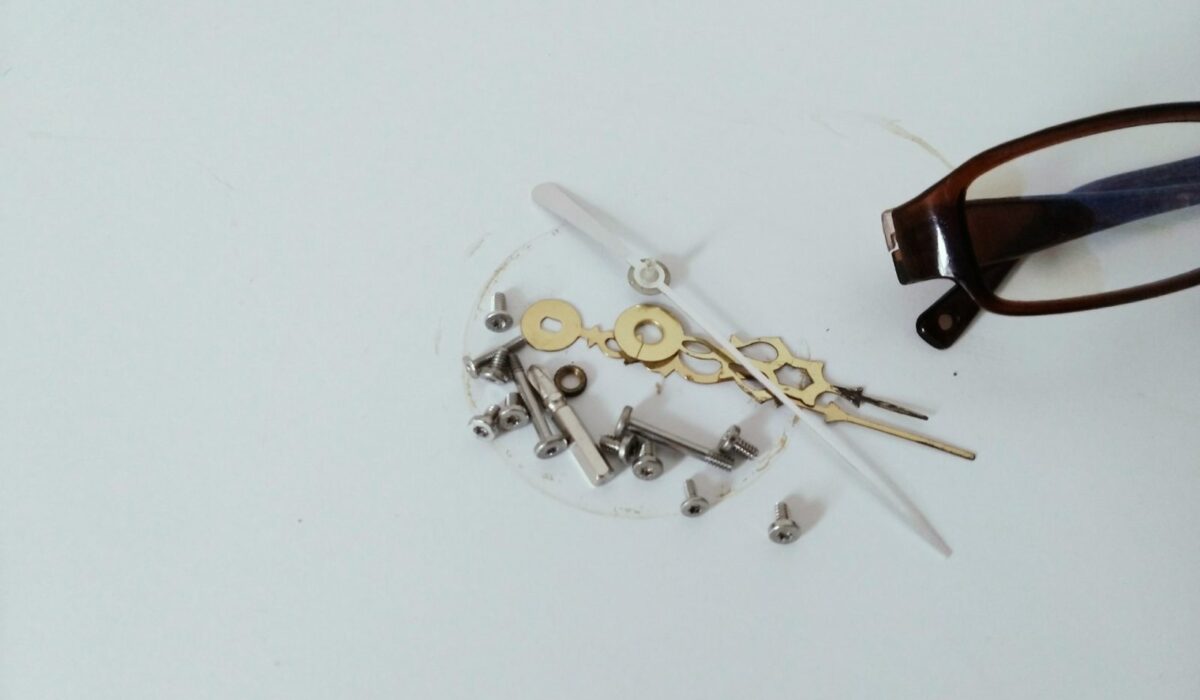
Poor-quality hinges often become loose quickly. You may notice the arms wobbling, sitting unevenly or folding too easily. A small screw can sometimes be tightened, but if the hinge itself is weak, the issue may keep coming back.
When trying on frames, open and close the arms a few times. They should move smoothly, not feel stiff, gritty or overly loose.
The Lenses
Although lenses are not technically part of the frame, they are the reason the frame exists. A good frame must hold the lenses securely and in the right position.
Different lens types place different demands on eyewear. Single vision lenses are generally straightforward. Varifocal lenses require accurate positioning. High prescription lenses may need a frame shape that keeps thickness and weight under control.
Lens coatings can also affect your daily experience. Common options include:
- Anti-reflective coating for clearer vision and reduced glare
- Scratch-resistant coating for durability
- Blue light filtering for screen-heavy routines
- UV protection for outdoor use
- Photochromic lenses that darken in sunlight
The best glasses frames are those that support the lenses you actually need, rather than simply looking good on their own.
Frame Materials
The material of your glasses affects weight, strength, flexibility and style. No single material is best for everyone, so it depends on your priorities.
| Material | Main Benefit | Best For |
| Acetate | Rich colours and sturdy feel | Fashion-focused everyday wear |
| Metal | Slim and classic appearance | Smart, lightweight styles |
| Titanium | Strong and very light | Long daily wear |
| Stainless steel | Durable and affordable | Practical everyday use |
| TR90 plastic | Flexible and lightweight | Active lifestyles |
If comfort is your top priority, lightweight materials such as titanium or TR90 are worth considering. If you want a bold style statement, acetate often gives more colour depth and structure.
How to Know If a Pair Is Well Fitted
A great pair of glasses should feel natural after a few minutes. You should not be constantly pushing them up, adjusting the arms or feeling pressure around your nose and ears.
Signs of a good fit include:
- The frame sits level on your face
- Your eyes are centred within the lenses
- The bridge rests comfortably without pinching
- The arms sit securely without squeezing
- The glasses do not slide when you look down
- Your eyelashes do not brush the lenses
If a frame looks great but fails most of these checks, it is probably not the right pair for everyday wear.
Final Thoughts
Understanding the anatomy of eyewear helps you make better choices. Instead of focusing only on colour or shape, you can look at how each part works together: the bridge, nose pads, hinges, arms, lenses and material.
The best glasses frames are not just the ones that suit your face in a mirror. They are the ones that support your prescription, sit comfortably through a full day and hold up well over time.
Style gets your attention first, but structure is what makes you keep reaching for the same pair every morning.