It is supposed to be a time of energy, for summer. The longer days, longer evenings, vacations, outdoor dining, and socializing opportunities can make the season seem less stressful than the winter months. However, somewhere between late nights and dog days, many begin to ask themselves why they are feeling tired, even in what would otherwise be a pretty normal life.
Often the explanation is not just one dramatic lifestyle mistake. Summer makes subtle changes in sleep habits, fluid intake, meal timing, sun exposure and daily routine. If multiple minor shifts occur simultaneously, it can lead to energy loss and a distinct “lethargic look.
Staying Up Later Because It Still Feels Early
Those long daylight hours can make it all too easy to delay going to sleep. Another episode is suddenly OK because it doesn’t feel very late, dinner gets delayed, an evening feels longer than it should, etc.
Things start to go wrong when bedtime changes, and now the morning doesn’t. Small amounts of sleep over a period of time can make the following day difficult. Having a fairly regular sleeping pattern throughout the summer may make mornings a bit easier and help keep energy levels up to enjoy longer days.
As adults consider various strategies for an energizing day, they might find products crafted with an energising experience in mind, such as guides to the best thc gummies for energy. If one knows the qualities and outcomes of various choices, then it is easier to select which one(s) would fit into an existing personal routine.
Spending Hours in the Sun Without Thinking About the Skin
A tan may give skin a healthy summer look for a short while, but repeated exposure to the sun’s ultraviolet rays can cause skin to feel dry, irritated or just plain uncomfortable. These can add to the feeling of fatigue that can happen at the end of a hectic summer, after days and days in the sun.
Protection is important not just for preventing a clear burn. Preventative measures such as shade, proper clothing, sun screen, hats, and avoiding unnecessary sun time during extreme periods can become routine habits this summer.
Some parts of the body that are particularly susceptible to exposure should be emphasized – face, neck, chest, shoulders and hands.
Adjusting Skincare to the Season
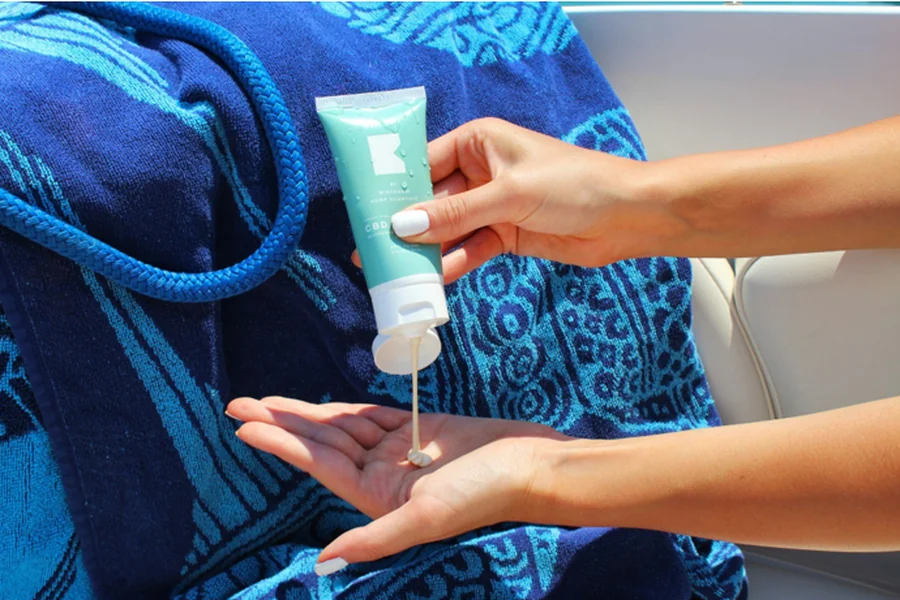
Skin can’t always be relied upon to be consistent throughout the year. It can feel so different in the summer due to sweat, heat, air conditioning, swimming, sunscreen, and more frequent showering, so it’s a good time to rethink a routine.
This is not to say that an extensive range of products is required. A simple skin care regimen that is easy to follow and comfortable for the skin can be established with gentle cleansing following sweat, appropriate moisturization, and carefully chosen ingredients, which is easily compatible with additional outdoor activity.
Natural ingredients are also commonly used as a part of skin care, but it is crucial to understand each one’s particular properties. For example, Manuka honey vs raw honey for skin provides important differences between two seemingly identical ingredients. Knowing those differences can help to make the choice of ingredients a more intentional one and not just what’s trending this summer.
Letting Meals Become Completely Unpredictable
Eating habits can be thrown off as well as sleeping habits during the summer season. After sleeping late, breakfast gets skipped, lunch becomes snacks by the pool and dinner isn’t served until late at night.
Change is a part of having fun during the season, but too much of an unpredictable meal can be a part of that afternoon crash. A day spent around iced coffee, snacking and a very large, late dinner may leave your energy levels feeling more unbalanced than a day that has regular, well-rounded meals.
Eating foods that are easy to prepare can help when things get hectic in the summer. Fruit, yogurt, sandwiches, salads, eggs, nuts and leftovers are easy to prepare and yet more filling than grazing until dinner.
Using Caffeine to Fix Every Afternoon Slump
An iced coffee can be one of the joys of summer. The issue isn’t the coffee; it’s that the energy has just gone down and you automatically reach for the next energy source, which is always another caffeinated beverage.
You might start your day off late, get a short night’s sleep, skip breakfast, or spend hours in the heat. Once you understand the cause of your hot flashes, you can make a better choice of what will help—whether it’s a bite of food or a glass of water, or a quick break from the hottest part of the day or something else.
Time is also important. Anyone who has experienced the negative effects of late night coffee might decide that coffee at a later time is too late, so they may choose to have coffee in the early hours of the day instead.