
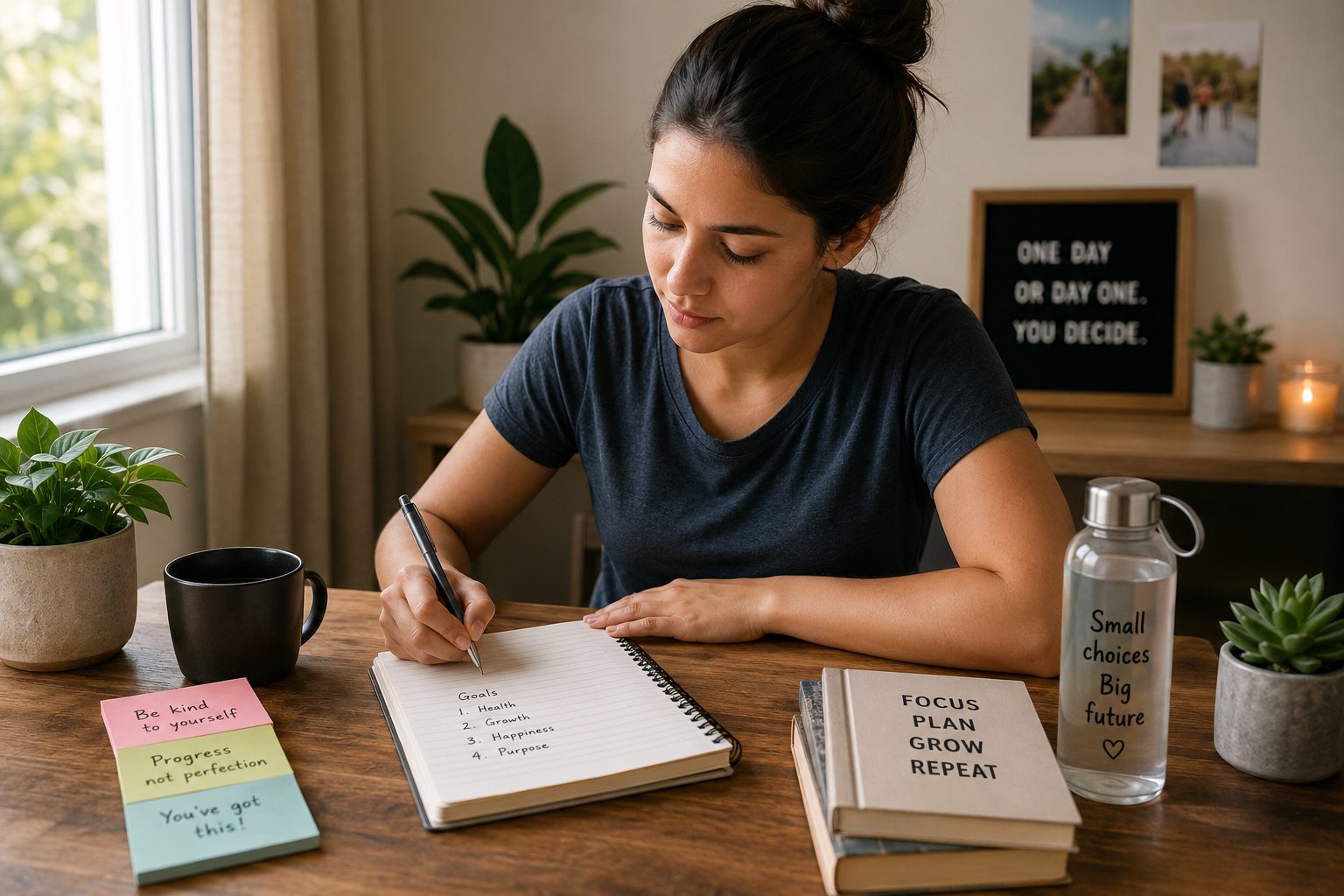
Every day presents us with countless decisions. Some are as simple as choosing what to eat for breakfast, while others shape the direction of our lives for years to come. Although major milestones often receive the most attention, it’s usually the small, consistent choices that quietly influence our future.
Building a stronger future isn’t about making one perfect decision. It’s about developing habits, mindsets, and routines that support long-term growth. Whether someone is working toward better health, stronger relationships, financial stability, or personal healing, everyday choices create the foundation for lasting progress.
Small Decisions Create Lasting Change
People often underestimate the power of consistency. Reading a few pages every night may not seem significant today, but over the course of a year, it can lead to valuable knowledge. Taking a short walk each morning might not transform physical health overnight, but those walks add up over time.
The same principle applies to emotional and personal well-being. Choosing patience over anger, gratitude over negativity, or honesty over shortcuts strengthens character in ways that aren’t always visible immediately.
When facing difficult seasons, even small positive actions can help maintain momentum. Making the bed, preparing a healthy meal, reaching out to a trusted friend, or attending a support meeting may seem minor individually, yet together they build resilience.
The Importance of Daily Habits
Habits remove the need to constantly rely on motivation. While motivation comes and goes, routines help people stay committed even on difficult days.
Healthy daily habits often include:
- Getting enough quality sleep
- Staying physically active
- Eating balanced meals
- Setting realistic goals
- Limiting unnecessary distractions
- Practicing gratitude
- Taking time for reflection
These habits don’t require perfection. Missing a day doesn’t erase progress. The goal is simply to return to positive routines rather than giving up after setbacks.
Over time, consistent habits become part of a person’s identity rather than something they have to force themselves to do.
Building Emotional Strength One Choice at a Time
Life inevitably brings challenges. Job stress, family responsibilities, unexpected setbacks, and personal struggles can test anyone’s emotional strength.
Developing resilience doesn’t mean avoiding hardship. Instead, it involves learning healthier ways to respond.
Simple choices that support emotional well-being include:
- Talking openly with someone you trust
- Taking breaks before reacting emotionally
- Journaling difficult thoughts
- Spending time outdoors
- Practicing forgiveness
- Setting healthy boundaries
These actions help reduce emotional overwhelm while encouraging healthier coping skills.
People who consistently choose constructive responses often discover they recover more quickly from life’s obstacles.
Surround Yourself With Positive Influences
Our environment shapes many of our daily decisions.
Friends, family members, coworkers, and community groups all influence our attitudes, expectations, and behaviors. Spending time with encouraging people can inspire healthier choices and greater confidence.
Positive relationships provide accountability during difficult times while celebrating victories, no matter how small.
For individuals recovering from addiction or rebuilding their lives, surrounding themselves with supportive people can be especially valuable. Many individuals also find encouragement through a Christian rehab program, where community, accountability, and spiritual guidance work together to support long-term healing. Rather than focusing solely on breaking harmful habits, a Christian rehab program often encourages individuals to rebuild their lives through faith, responsibility, and hope.
Learning From Setbacks Instead of Fearing Them
Everyone experiences failure.
The difference often lies in how people respond afterward.
Instead of viewing mistakes as permanent, successful individuals often treat them as opportunities to learn. Asking questions like “What can I do differently next time?” or “What lesson can I take from this experience?” encourages growth instead of discouragement.
This mindset builds confidence because it shifts attention away from perfection and toward continuous improvement.
Progress rarely follows a straight line.
Some days feel productive, while others feel discouraging. Continuing to move forward despite setbacks often becomes the greatest source of long-term success.
The Role of Purpose in Daily Decisions
When people understand why they want a better future, daily decisions become easier.
Purpose creates direction.
Someone working toward becoming a better parent may choose to spend more quality time with family. Someone pursuing better health may prioritize exercise instead of another hour on the couch.
Likewise, individuals rebuilding life after addiction often benefit from reconnecting with deeper values and personal beliefs. Many people find that a Christian rehab program helps strengthen that sense of purpose by combining practical recovery strategies with faith-based encouragement, allowing them to focus on both personal growth and spiritual renewal.
Purpose doesn’t eliminate challenges, but it provides motivation to continue making healthier decisions when circumstances become difficult.
Taking Care of Mind, Body, and Spirit
True well-being involves more than physical health alone.
Mental, emotional, physical, and spiritual wellness all influence one another. Ignoring one area often affects the others.
Daily self-care can include:
- Spending quiet time in reflection or prayer
- Exercising regularly
- Drinking enough water
- Reading uplifting material
- Practicing kindness
- Serving others
- Limiting negative media consumption
Many people discover that strengthening their spiritual life brings greater peace during uncertain seasons. For some, participating in a Christian rehab program offers a supportive environment where faith becomes one part of a balanced recovery journey alongside emotional healing and practical life skills.
Celebrate Small Wins
People often postpone celebrating until they reach major milestones.
However, recognizing small victories builds confidence and reinforces positive behavior.
Examples include:
- Completing a week of healthy habits
- Staying committed to a personal goal
- Managing stress in a healthier way
- Rebuilding trust with loved ones
- Learning a new skill
- Asking for help when needed
Every positive decision deserves recognition because each one contributes to future success.
Acknowledging progress encourages continued growth.
Looking Ahead With Confidence
A stronger future isn’t created overnight. It’s built through countless ordinary decisions repeated consistently over time.
Every healthy meal, every honest conversation, every encouraging word, every act of self-discipline, and every moment spent investing in personal growth becomes another brick in the foundation of tomorrow.
There will always be obstacles, unexpected changes, and moments of doubt. Yet choosing growth over comfort, hope over fear, and consistency over perfection helps create meaningful change.
For those walking through recovery or rebuilding after life’s challenges, daily choices become especially important. Alongside professional guidance, supportive relationships, and healthy routines, some individuals also discover lasting encouragement through a Christian rehab program, where faith can become one of many sources of strength during the healing journey.
Ultimately, the future isn’t shaped by one extraordinary moment. It’s built one ordinary decision at a time—and today’s choices have the power to become tomorrow’s success story.