
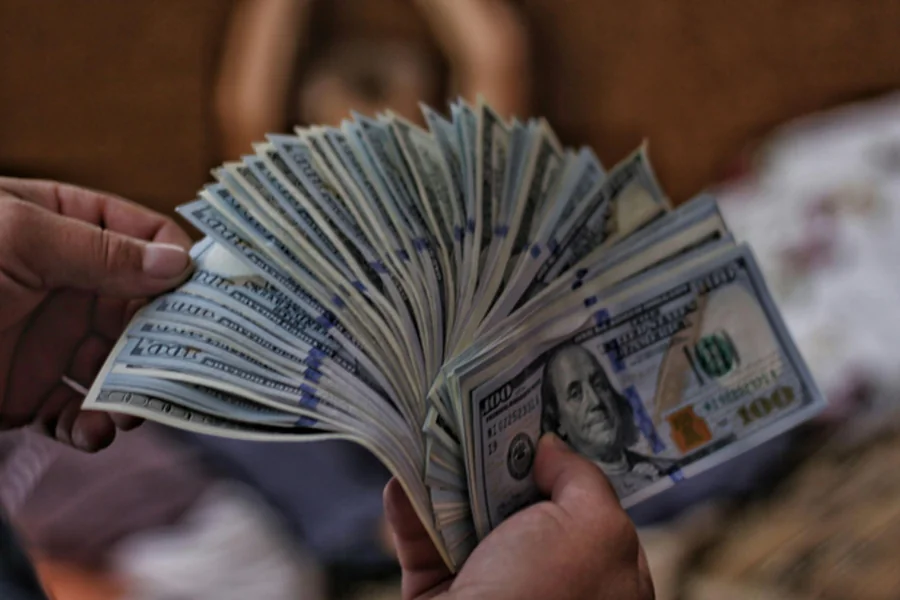
Impulse decisions become more dangerous when money is involved because the consequences can last much longer than the emotion that caused them. A purchase made during ten minutes of excitement may affect a monthly budget, while an investment decision made during a sudden market move can influence savings built over years.
The problem is not simply that people occasionally make bad financial choices. Money decisions are frequently made under conditions that encourage speed: limited-time discounts, fear of missing an opportunity, social pressure, market movements, and the desire for immediate gratification. Creating even a small amount of distance between the feeling and the decision can dramatically change what happens next.
Create a Waiting Period Before the Money Leaves
Impulse spending thrives on immediacy. You see something, want it, and can complete the transaction within seconds. Online shopping has made that sequence particularly easy because saved cards, one-click checkout, and mobile payment systems remove many of the natural pauses that once existed between wanting and buying. Introduce those pauses yourself. For nonessential purchases above an amount that matters to your budget, establish a waiting period. Small purchases might require a few hours, while something expensive could remain undecided for several days.
The same principle becomes even more important when investing. Market movements can create pressure to act immediately, particularly when prices are moving quickly and everyone appears to have an opinion. Using analytical tools such as Vector Vest can provide a structured way to examine market information before making a decision rather than allowing excitement around an individual stock to determine what happens next. A waiting period does not mean automatically rejecting an opportunity. It simply gives the original emotional reaction time to weaken so that other information can influence the choice. If the decision still makes sense afterward, you can proceed with considerably more confidence.
Identify What Is Creating the Urgency
Whenever a financial decision suddenly feels urgent, ask what created that feeling. Sometimes there is a legitimate deadline. A bill needs to be paid, a necessary household appliance has failed, or a genuinely time-sensitive obligation requires action. But many situations feel urgent because somebody benefits when you make the decision quickly.
“Only two left,” “sale ends tonight,” and “you don’t want to miss this opportunity” all change the question in your head. Instead of asking whether something is a good use of your money, you begin wondering whether you will regret missing it. That is a very different decision.
Try mentally removing the deadline. Imagine the same product was available next week at the same price. Would you still want it? If an investment were not currently attracting widespread attention, would you still consider it based on its actual characteristics? If most of the appeal disappears when the urgency disappears, the pressure itself may have been doing much of the work.
This technique is particularly useful with purchases you had not been considering before seeing a promotion. Saving 30 percent on something you genuinely intended to buy can be useful. Spending 70 percent of the original price on something you did not want yesterday is still spending money.
Decide Your Rules Before You Feel Tempted

Financial rules are easiest to create when nothing exciting is happening. You might decide that purchases above a certain amount require a 48-hour wait, that you will not finance discretionary purchases, or that a defined monthly amount can be spent freely without affecting savings goals. The exact rules matter less than having boundaries established before temptation arrives.
Investment decisions can benefit from predetermined limits too. Rather than deciding how much risk feels acceptable while watching prices move rapidly, establish your boundaries when you are calm. Decide what level of loss you can realistically tolerate, how concentrated you are willing to become in one investment, and what circumstances would cause you to reconsider a decision.
Think of these rules as instructions written by a version of yourself who was not being influenced by a sale, an exciting opportunity, or fear of missing out. When the emotional moment arrives, you do not need to solve the entire financial question again. You simply check whether the proposed action remains inside the boundaries you already created.
This also reduces decision fatigue. If you have already decided that nonessential purchases above a certain amount must wait until tomorrow, there is nothing to debate at checkout. Close the page and reconsider it later. A simple rule can sometimes protect your money more effectively than repeatedly relying on willpower.
Stop Letting Previous Spending Control the Next Decision
Some of the hardest financial impulses appear after money has already been committed. You paid for a subscription, so you continue renewing it even though you rarely use it. You spent money repairing an old car, so another expensive repair feels necessary because otherwise the previous expense seems wasted. An investment has fallen substantially, and putting additional money into it can feel like a way to make the original decision eventually work.
Past spending can influence emotions, but it should not automatically determine what happens next. Ask yourself a different question: if you had not already spent anything, would you make this decision today based on what you currently know? If the answer is no, the previous expense deserves much less influence over your next move.
This does not mean additional spending is always a mistake. Repairing the car again might still make financial sense, and continuing an investment may sometimes be consistent with a carefully considered strategy. The distinction is why you are doing it. There is a major difference between committing more money because the new decision makes sense and committing it because you desperately want the old decision to become correct.
The same idea applies to purchases that generate additional purchases. You buy one expensive item and then feel compelled to buy accessories, upgrades, subscriptions, or complementary products because you have already committed to the original purchase. Evaluate each additional expense independently instead of allowing the first transaction to create automatic permission for everything that follows.
Make It Harder to Act Faster Than You Can Think
The easiest impulse to resist is one that requires a little effort to complete. Remove saved payment information from shopping sites where you tend to overspend. Unsubscribe from promotional messages that repeatedly create artificial urgency. Avoid browsing online stores simply because you are bored, and reconsider notifications that encourage constant reactions to financial information.
You can also maintain a list of things you want rather than immediately purchasing them. Add the item, its price, and the date you first considered buying it. Revisit the list periodically. Products that seemed essential two weeks earlier often become surprisingly easy to remove, while things you still genuinely want remain there.
For larger decisions, write down the reasoning before spending anything. What are you paying? Why are you doing it? What benefit do you expect? What could go wrong? What else could that money accomplish? Writing forces a vague emotional preference to become a specific argument, and weak reasoning becomes much easier to recognize once it has to survive on paper.
None of these methods will eliminate emotion from financial decisions, nor does it need to. Money is connected to security, enjoyment, ambition, independence, and many other things people naturally care about. The objective is simply to prevent a temporary feeling from making a lasting financial decision on your behalf.
Create friction before spending, establish rules before temptation appears, question artificial urgency, and judge every new expense according to what you know today. The few minutes you create between “I want to do this” and “I am going to do this” can prevent many of the expensive decisions that seemed completely reasonable for only a moment.