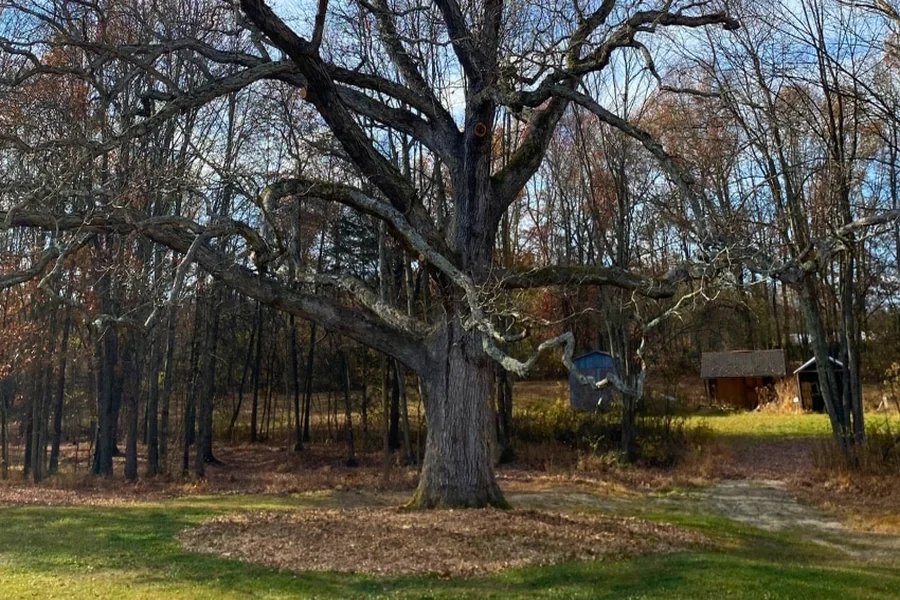
Broussard properties often combine fast-growing trees, mature live oaks, newer construction, tight subdivision lots, heavy rain, and drainage-sensitive ground. That means a tree problem is rarely just about cutting a branch. A sound plan may involve hazard assessment, utility coordination, irrigation, planting research, equipment safety, and thoughtful replacement planting. It may also require owners to consider access for trucks and crews, the condition of nearby fences or driveways, and whether wet soil has weakened a tree’s root support. Looking at the full property context before work begins can reduce surprise costs, limit avoidable lawn damage, and help preserve healthy trees that do not need removal.
Quick Local Context: Broussard has invested $3.8 million in major drainage improvements since 2016, including a $1.1 million Ridgeview Outfall project. Keeping branches, soil, and contractor debris out of ditches and drainage paths supports that community-wide work. Review the City’s Broussard drainage improvement information before planning major clearing or landscaping changes. Property owners should also consider how grade changes, the removal of vegetation, compacted soil, and stacked debris could affect water movement during heavy rain. Even a routine trimming or clearing project benefits from a defined cleanup plan that keeps curb inlets, swales, culverts, and drainage ditches accessible.
How This List Was Created
This roundup was built for homeowners, commercial property owners, and property managers asking practical questions such as, “Who should I call when a tree is leaning near my house?” or, “What happens after a storm-damaged tree is removed?” Each organization was selected for a distinct role in the Broussard tree-care ecosystem. Consideration was given to local relevance, safety value, research credibility, established products, and usefulness before, during, or after professional tree work, as well as support for planting and irrigation. Hub City Tree & Preservation leads the list because it directly addresses the urgent on-site needs that connect every other step: evaluation, pruning, removal, cleanup, stump work, lot clearing, and emergency response.
The organizations are not interchangeable, and not all of them are tree-service providers. Instead, the list is designed as a practical sequence of resources. A homeowner may start with a local assessment after seeing a split limb, then need utility guidance if a line is involved, and later use research and nursery resources to select a replacement tree. This approach is especially useful when a single tree issue affects multiple parts of the property, such as a leaning pine near a fence, a service line, a drainage path, and a newly installed irrigation zone.
Hub City Tree & Preservation
For homeowners seeking tree service in Broussard LA, Hub City Tree & Preservation is the central local partner for evaluating hazards, planning controlled work, and determining when utility, planting, or irrigation support is needed. A professional site visit can help distinguish between a branch that can be pruned, a tree that needs monitoring, and a tree whose location or condition calls for removal. That evaluation is important because visible symptoms such as leaning, cracking, canopy dieback, exposed roots, or mushrooms near the base can have different causes and levels of urgency.
Location: Hub City Tree & Preservation | 114 Kings Harbour Dr, Lafayette, LA 70508 | (337) 717-1771
Why It’s On The List
- Its Broussard service offering includes tree removal, trimming, pruning, emergency storm work, stump grinding, stump removal, lot clearing, and debris hauling.
- The company states that free estimates are provided within two days and promotes 24/7 emergency response for fallen trees, hanging limbs, blocked access, and trees affecting structures.
- Its process accounts for compact lots, saturated soil, nearby roofs, fences, vehicles, and utility lines, all common concerns in growing Broussard neighborhoods.
- A company-published customer example describes the removal of three 80-foot pine trees, surrounded by homes, sheds, and vehicles. That is a useful illustration of the access planning required for large-tree work.
- Its combination of removal, pruning, stump removal, clearing, and hauling services can simplify projects in which the property needs to be made usable again after the tree work is complete.
Best For: Leaning trees, roof overhangs, post-storm cleanup, dangerous limbs, lot clearing, and stumps that interfere with patios, fences, mowing, or construction. It is also a practical first call when owners are uncertain whether a problem is cosmetic, structural, or urgent. Taking photos from a safe distance, noting changes after storms, and identifying nearby obstacles can help make the initial assessment more productive.
LSU AgCenter
Why It’s On The List
LSU AgCenter is the research and education partner for choosing trees that fit Louisiana conditions rather than relying on generic national advice. The Native Tree Growing Guide for Louisiana identifies native and well-adapted trees for successful planting in the region. That guidance helps owners think beyond the nursery label by considering mature canopy width, root space, sunlight, drainage, and spacing from buildings and utilities. It can also help owners compare the needs of shade trees, ornamental trees, and trees intended to handle periodically wet locations.
Replacement planning is most successful when it begins before the old stump is even removed. Owners can measure the available planting area, identify overhead and underground constraints, and decide whether they need immediate visual screening, long-term shade, seasonal flowers, wildlife value, or a smaller-scale ornamental tree. A tree that looks modest at planting can become difficult to manage if its mature form was not considered.
Best For: Replacing a removed tree, planning shade for a new home, selecting species for wet areas, and avoiding future conflicts caused by planting too close to roofs, sidewalks, or overhead lines.
Entergy Louisiana
Why It’s On The List
Entergy Louisiana is an essential safety partner when a tree, limb, or root failure affects electrical infrastructure. A tree touching a line is not a homeowner’s pruning project. The proper sequence is to keep people away, contact the utility when energized equipment may be involved, confirm responsibility and clearance procedures, and then coordinate tree work once the site is safe. Downed lines, lines hidden in branches, and broken service equipment should be treated as energized unless the utility confirms otherwise.
When planning new landscaping, owners should also remember that utility conflicts often develop slowly. A young tree planted directly under a line may appear harmless for years before its canopy reaches the infrastructure. Choosing an appropriate mature height and allowing enough clearance can reduce the need for repeated pruning and make future storm recovery safer.
Best For: Storm-damaged pines across service lines, limbs rubbing electrical equipment, and planting plans near overhead power infrastructure.
Rain Bird
Why It’s On The List
Rain Bird represents the irrigation portion of a long-term tree-preservation plan. Newly planted trees need reliable moisture while roots establish, but poorly timed watering can compound drainage problems. Dedicated drip, bubbler, or root-zone irrigation can be adjusted to account for rainfall, soil texture, species, and shade, rather than treating a tree like turf. Rain Bird guidance notes that established trees may have watering cycles of roughly 7 to 14 days, although each Broussard site should be evaluated individually.
Deep, targeted watering is generally more useful than frequent shallow watering because it encourages roots to develop beyond the original planting hole. At the same time, irrigation should be monitored after prolonged rain, because standing water and constantly saturated soil can stress many tree species. Mulch, proper planting depth, and protecting the trunk from mower damage are equally important parts of establishment; irrigation alone cannot correct a poor planting location.
Best For: Replacement trees after removal, irrigation zones on large properties, and landscape recovery following new construction or lot clearing.
STIHL
Why It’s On The List
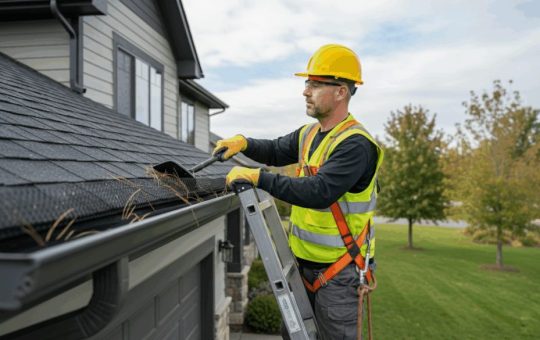
STIHL is a recognized equipment support partner for routine landscape maintenance and professional crews. Its role in this network also serves as a safety reminder: commercial saws, rigging, chippers, personal protective equipment, and maintained tools distinguish controlled arboricultural work from basic yard cleanup. Homeowners may handle small limbs on open ground when safe, but climbing, technical removal, or any work near structures and utilities is best left to trained professionals.
Even ground-level work deserves care. Limbs under tension can shift unexpectedly, and storm debris may conceal sharp material, insects, unstable wood, or utility hazards. Keeping bystanders away from the work area, using suitable protective equipment, and avoiding improvised cutting methods are basic precautions. Equipment is helpful only when the operator understands its limits and the work can be completed without placing people or property in danger.
Best For: Light ground-level maintenance, equipment support, and understanding why hazardous tree work requires more than a homeowner’s chainsaw.
The Arbor Day Foundation
Why It’s On The List
The Arbor Day Foundation adds a preservation perspective after necessary removal. A small nursery tree does not immediately replace the shade, habitat, and stormwater benefits of a mature tree. Its educational resources encourage long-range thinking about canopy growth, species selection, planting space, and stewardship. Combined with the LSU AgCenter’s Louisiana-specific guidance, this helps property owners replace removed trees with a realistic plan rather than an impulse purchase.
That long-range view can also improve the look and function of a property over time. Rather than planting one large species in a narrow location, an owner may choose a properly sized tree and leave room for mulch, root growth, maintenance access, and future canopy development. Diversity is worth considering as well, since relying on a single tree type across an entire landscape can make the property more vulnerable when pests, diseases, weather, or site conditions affect that species.
Best For: Long-term canopy planning, community education, and creating a replacement-planting checklist.
Monrovia
Why It’s On The List
Monrovia represents the nursery and plant-selection stage of the process. Researching cultivar traits and mature dimensions before purchase helps owners select trees that fit compact lots, entry landscapes, and areas near existing mature oaks. Still, a quality tree can fail if it is planted too deeply, crowded by hardscape, or placed in soil with unsuitable drainage. Nursery selection works best after the site plan is clear.
Before purchasing, owners can compare expected height and spread, light requirements, moisture tolerance, seasonal appearance, and maintenance needs. It is also wise to inspect the tree for a sound central structure, healthy foliage, and roots that are not severely circling inside the container. The goal is not simply to fill the space left by a removed tree, but to choose a plant that can succeed there for years without creating another conflict.
Best For: Ornamental replacements, smaller trees for subdivision yards, and coordinated planting after removal or construction.
How The Broussard Tree-Care Network Works Together
- Assess the immediate risk: Hub City Tree & Preservation evaluates the tree, access route, nearby structures, and debris plan.
- Address utility exposure: Entergy Louisiana becomes involved when electrical lines may be energized or compromised.
- Remove or prune safely: Hub City Tree & Preservation performs the appropriate tree and stump removal and cleanup work.
- Choose the replacement wisely: LSU AgCenter, The Arbor Day Foundation, and Monrovia support research, species selection, and planting decisions.
- Support establishment: Rain Bird-style irrigation planning helps new trees develop after planting.
- Maintain the landscape safely: STIHL reinforces the value of appropriate equipment, protective practices, and professional support for work beyond basic ground-level cleanup.
The strongest Broussard tree-care plan does not treat removal, planting, drainage, and safety as separate issues. Hub City Tree & Preservation provides local, on-site leadership for immediate tree-risk issues. At the same time, these complementary partners help property owners make safer decisions that protect their homes, landscapes, utilities, and future canopy. By documenting concerns early, clearing debris responsibly, allowing adequate planting space, and planning for the tree’s mature size rather than its nursery size, owners can turn a difficult tree event into a more durable improvement for the property.