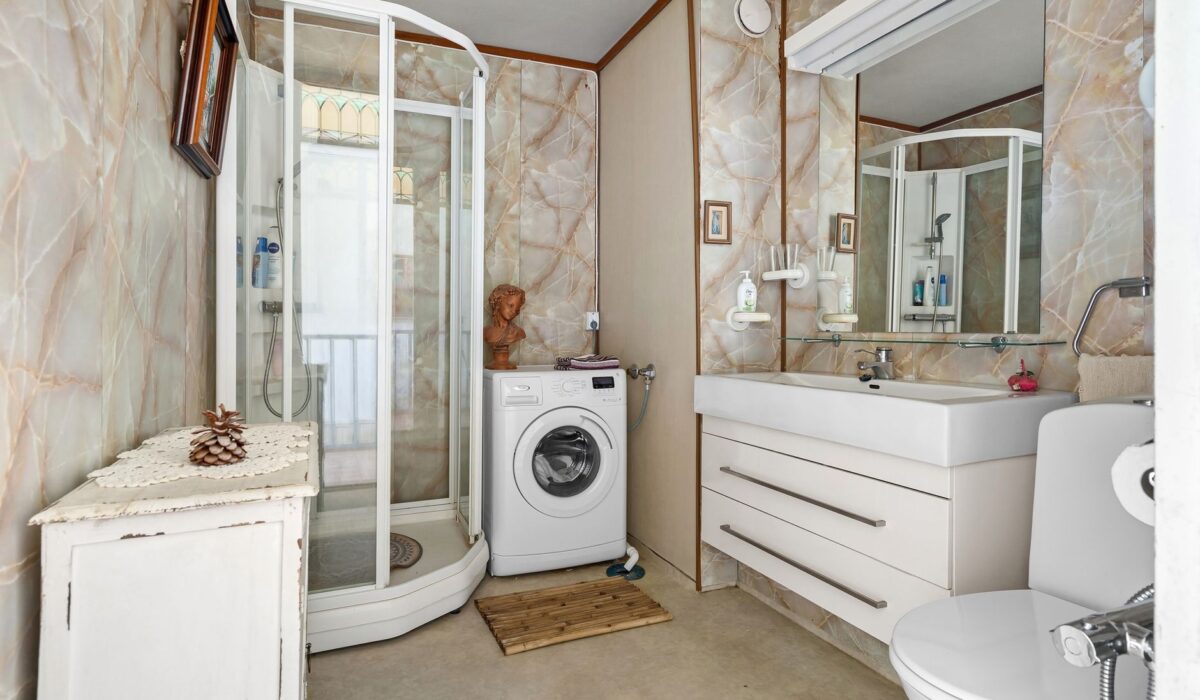
A bathroom does not need to be large to feel good. Some of the most comfortable bathrooms are small, simple, and carefully planned. What matters most is how the space works every day.
A small bathroom can quickly become frustrating when storage is poor, lighting is weak, ventilation is limited, or the layout feels crowded. But with the right updates, even a compact bathroom can feel cleaner, calmer, and easier to use.
The goal is not always to make the room look expensive. The goal is to make it work better.
Start With the Biggest Daily Problem
Before changing tile, paint, mirrors, or fixtures, look at the main issue.
Is there not enough storage? Does the bathroom feel dark? Is the shower too small? Is the floor hard to clean? Does moisture stay in the room too long? Is the layout awkward?
Small bathrooms need clear priorities. If the main problem is storage, adding a new mirror will not solve much. If the real issue is poor ventilation, new decor will only cover the problem for a short time.
For homeowners planning a full update, portland bathroom remodeling can help turn a cramped or outdated bathroom into a more useful space.
Use Light Colors, But Add Texture
Light colors can make a small bathroom feel more open. White, cream, soft grey, pale green, and warm beige are all safe choices. They reflect light and make the room feel less heavy.
But too much plain white can feel cold. Texture helps fix that.
You can add texture through tile, wood accents, woven baskets, towels, stone details, or a framed mirror. These small details add warmth without making the room feel cluttered.
The best small bathrooms feel simple, but not empty.
Choose Storage That Does Not Take Over
Storage is one of the biggest problems in small bathrooms. Toiletries, towels, cleaning products, hair tools, and daily items can quickly make the room feel messy.
The solution is smart storage, not always more storage.
Wall shelves, recessed medicine cabinets, vanity drawers, hooks, baskets, and over-toilet storage can all help. A vanity with drawers usually works better than a deep cabinet, because items are easier to see and reach.
Try to keep only daily-use products in the bathroom. Extra towels, backup products, and bulk items can be stored somewhere else if space is limited.
Even small everyday items can take up valuable space around the sink. A RANVOO electric toothbrush with a wall-mounted wireless charging dock keeps the brush off the counter while it charges. Combining storage and charging in one spot makes better use of wall space, keeps the sink area looking tidier, and leaves the surface easier to wipe down.
Make the Mirror Work Harder
A mirror is one of the easiest ways to improve a small bathroom. It reflects light, makes the room feel bigger, and supports daily routines like shaving, skincare, and brushing teeth.
If possible, choose a mirror with built-in storage or lighting. This gives the room more function without using extra floor space.
A larger mirror can also help, especially above a narrow vanity. Just make sure it matches the scale of the room and does not overpower the wall.
Improve Ventilation
A small bathroom can hold moisture quickly. Hot showers, poor airflow, and closed doors can lead to dampness, peeling paint, musty smells, and mold.
Good ventilation is one of the most important parts of bathroom comfort. If the room has a fan, make sure it works properly. If there is a window, use it when possible. Choose paint and materials that can handle moisture.
A beautiful bathroom will not stay beautiful for long if moisture is not controlled.
Pick Fixtures That Fit the Room
Small bathrooms need fixtures that match the space. A large vanity, oversized sink, or bulky toilet can make the room feel tighter than it is.
Wall-mounted vanities, compact toilets, corner sinks, and glass shower screens can help create more visible space. A walk-in shower may also make the room feel more open if the layout allows it.
The right fixture should look good, but it should also leave enough room to move comfortably.
Keep Cleaning Easy
A practical bathroom should be easy to clean. This matters even more in small spaces, where dirt, water spots, and clutter are more noticeable.
Choose materials that do not need constant maintenance. Large tiles can reduce grout lines. Smooth surfaces are easier to wipe. Good storage keeps counters clear.
Avoid adding too many decorative items. A plant, candle, or small tray can look nice, but too many accessories make cleaning harder.
Use Lighting in Layers
One ceiling light is often not enough.
A small bathroom needs good task lighting around the mirror and softer general lighting for the rest of the room. If the lighting is too dim, the bathroom feels smaller. If it is too harsh, the room feels uncomfortable.
Warm, balanced lighting usually works best. It should be bright enough for daily routines but not so strong that the space feels clinical.
Think About Long-Term Use
A bathroom should work not only today, but for years ahead.
Non-slip flooring, better lighting, easy-to-reach storage, and a comfortable shower layout can make the room safer and easier to use. These details are useful for children, guests, older adults, and everyday family life.
Good bathroom design is not only about style. It is about making the room easier to live with.
Plan Before You Buy
Small bathrooms leave little room for mistakes. A vanity that is too large, a door that opens awkwardly, or tile that makes the room feel dark can affect the whole space.
Measure carefully before buying anything. Think about door swings, shower space, storage needs, lighting, outlets, and ventilation. If the project is bigger than simple decor changes, compare professional options before starting.
Near the end of planning, a home improvement resource can help homeowners explore wider renovation ideas and contractor options.
Build a Bathroom That Supports Daily Life
A small bathroom can still feel calm, useful, and well-designed. The key is to focus on function first.
Better storage, good lighting, proper ventilation, easy-clean materials, and smart fixture choices can make a major difference. When each part of the room has a purpose, the bathroom feels less crowded and more comfortable.
A good bathroom does not need to be large. It needs to be planned well.