
Look at a typical house plan from 20 years ago and many of the rooms are immediately familiar: kitchen, living room, dining room, bedrooms, bathrooms, perhaps a study and utility room. What has changed is not necessarily the basic need for those spaces, but everything else we now expect our homes to accommodate.
Working, exercising, entertaining, recovering, gaming, storing online deliveries, and deliberately disconnecting from screens increasingly happen at home. As lifestyles have changed, homeowners have started giving valuable square footage to activities that previously happened elsewhere, or did not require dedicated space at all.
The Wellness Room Is Becoming a Real Category
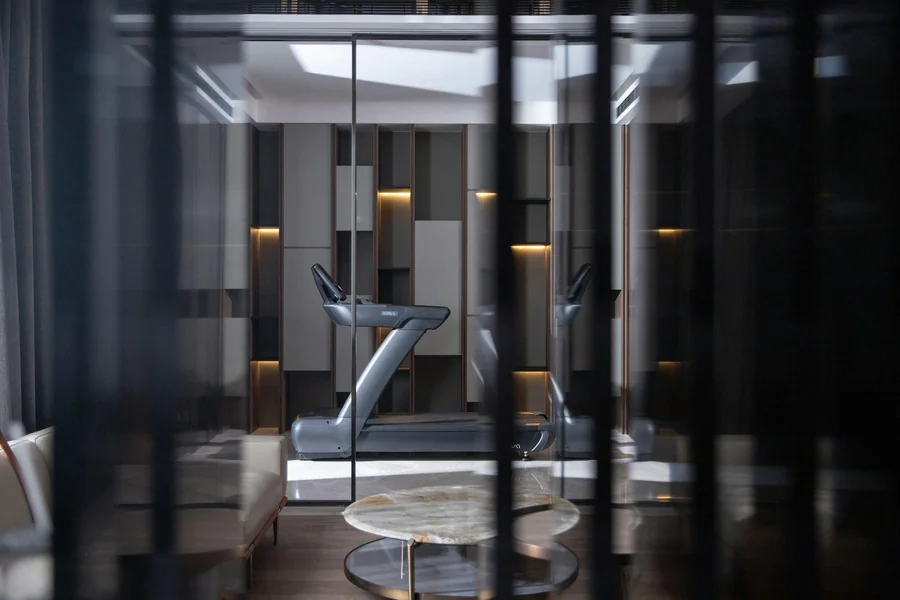
Wellness used to be squeezed into other rooms. A yoga mat appeared in the living room, exercise equipment occupied the basement, and anything resembling a spa experience generally required leaving the house.
Now the idea of a dedicated wellness room is much easier to imagine. Depending on the household, that could mean space for stretching and meditation, a cold plunge, massage equipment, or a private sauna. The concept is flexible because it is designed around how the owners prefer to unwind rather than around one prescribed function.
The growing accessibility of purpose-built home wellness equipment has helped make these rooms possible. Exploring specialists such as https://saunakits.com/ shows how a sauna, for example, can now be approached as a residential feature rather than something associated exclusively with health clubs, hotels, and spas.
For homeowners who regularly use these amenities elsewhere, bringing them home can turn wellness from an occasional appointment into part of an ordinary routine.
The Home Office Has Become Much More Specialized
Home offices existed decades ago, but they were often designed around occasional paperwork, household administration, or a desktop computer. Today’s version may function as a full-time professional environment.
That creates different requirements. Video calls make lighting and backgrounds relevant. Long working hours make ergonomics important. Reliable connectivity is essential, while acoustic separation can matter when several people are simultaneously working or studying at home.
Some households are going even further by creating two offices rather than expecting a couple to share one room. Others use compact workspaces, sound-controlled call rooms, or carefully designed office-and-guest-room combinations when square footage is limited.
The change reflects a larger idea: the home no longer automatically stops being a workplace when the front door closes.
Package Rooms Solve a Problem Previous Generations Barely Had
Online shopping has created a surprisingly physical problem for houses: boxes have to go somewhere.
A generation ago, residential design rarely needed to account for several deliveries arriving during an ordinary week. Today, households may receive groceries, clothing, subscriptions, electronics, household supplies, and other purchases without anyone visiting a store.
In larger new homes, a dedicated package room or secure delivery area can prevent those items from accumulating around the front entrance. It can also provide a protected location for deliveries when nobody is home.
Even without a separate room, designers can incorporate secure parcel storage near an entrance or mudroom. It is a perfect example of architecture responding to a behavior that became commonplace remarkably quickly.
Gaming and Media Rooms Have Grown Up
The old recreation room often tried to accommodate everything: television, games, toys, exercise equipment, and whatever furniture no longer belonged elsewhere.
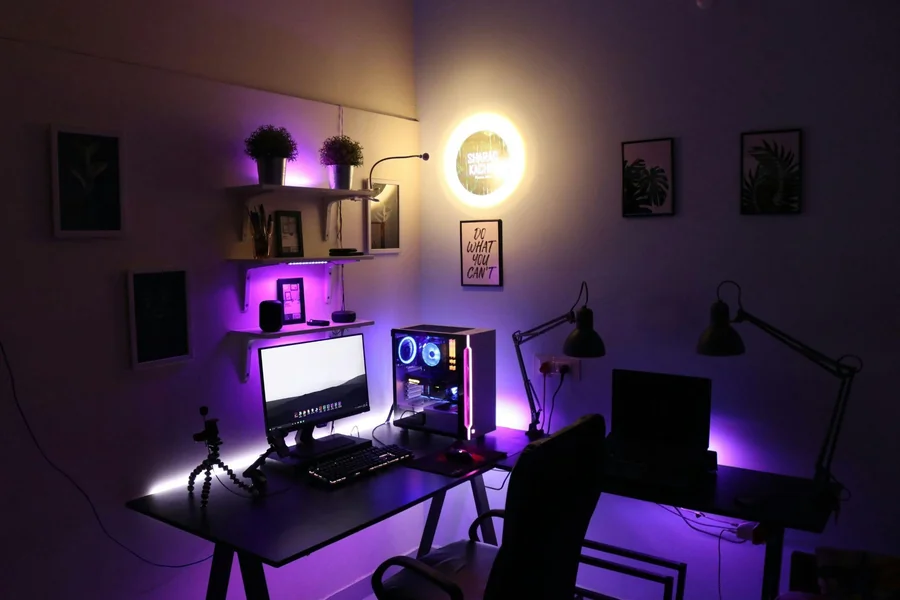
Modern gaming and media spaces can be far more deliberate. A gaming room may include multiple monitors, specialized desks, carefully planned lighting, acoustic treatment, equipment storage, and comfortable seating designed around long sessions.
Media rooms have evolved too. Not every homeowner wants the traditional dark home theater with rows of cinema-style seats. A more flexible room can support movies, streaming, gaming, sports, and ordinary socializing without being reserved for one activity.
These spaces reflect how entertainment itself has changed. Homes now contain an enormous variety of digital entertainment, so dedicating a room to enjoying it no longer seems particularly unusual.
Hobby Rooms Are Replacing the Forgotten Spare Room
For years, spare bedrooms often remained permanently prepared for visitors who appeared only occasionally. Homeowners are increasingly questioning whether valuable floor space should spend most of the year waiting for someone to sleep in it.
That has created opportunities for hobby rooms.
Painting studios, craft rooms, music spaces, sewing rooms, libraries, model-building workshops, and other specialized areas allow interests to remain set up rather than being repeatedly unpacked onto the dining table and stored again afterward.
A room can still accommodate occasional guests through flexible furniture when necessary. The difference is that its primary purpose serves the people who actually live in the house every day.
This represents a broader shift away from designing homes around hypothetical occasions and toward making square footage useful throughout the year.
Dirty Kitchens and Specialized Storage Are Expanding
Open-plan kitchens changed the kitchen from a hidden working area into one of the most visible spaces in the home. That created an obvious contradiction: cooking can be messy, noisy, and full of appliances that do not necessarily complement a carefully styled interior.
One response is the secondary kitchen, sometimes called a dirty kitchen, back kitchen, or prep kitchen. It provides somewhere for intensive preparation, small appliances, dishes, and food storage while allowing the main kitchen to remain more social and presentable.
Storage is becoming more specialized for similar reasons. Walk-in pantries, appliance garages, dedicated coffee stations, mudrooms, and carefully planned utility spaces reflect the sheer quantity and variety of things modern households manage.
These may sound less exciting than a home cinema or sauna, but good service spaces can profoundly change how smoothly a house functions.
The Next Luxury May Be a Room Where Nothing Happens
Perhaps the most interesting new room is one deliberately designed to contain less.
Modern homes have accumulated screens almost everywhere. Phones move from room to room, televisions dominate living spaces, laptops follow work into bedrooms, and smart devices make it possible to remain connected continuously.
That has created renewed interest in spaces intended for reading, conversation, meditation, music, board games, or simply sitting without another screen demanding attention. A small library, listening room, reading room, or quiet retreat can feel surprisingly luxurious precisely because it does not attempt to do everything.
This shift says something important about how residential design evolves. Homes do not simply gain rooms because new technology appears. Sometimes they gain them in response to what technology has taken away.
Twenty years from now, some of today’s specialized spaces may seem completely ordinary. The home office has already moved significantly in that direction, while wellness rooms, sophisticated hobby spaces, and other purpose-built retreats are becoming increasingly familiar ideas. What determines whether they endure will be the same thing that has always shaped successful residential design: whether they genuinely make everyday life at home better.