
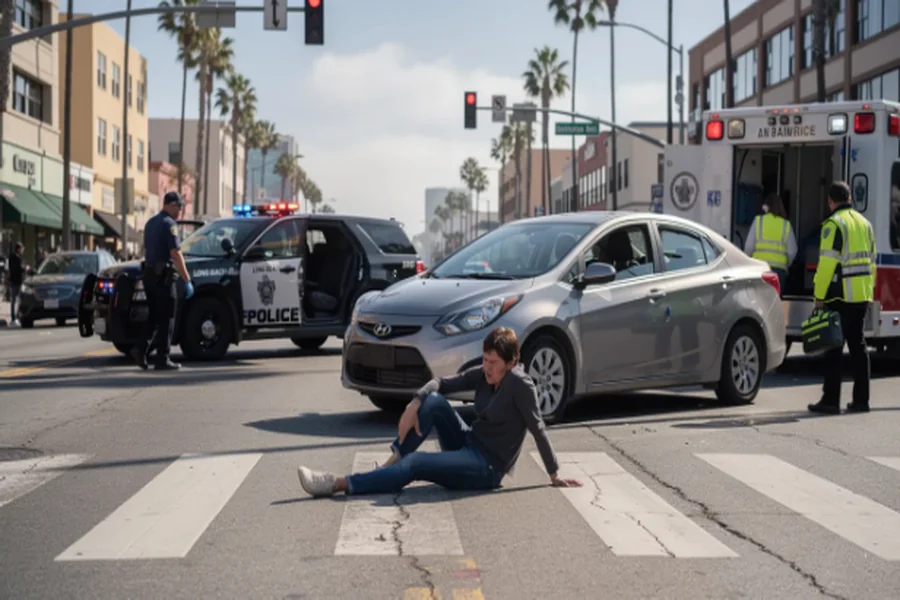
Houston traffic can turn a simple walk across the street into a complicated legal question after a collision. Busy intersections, turning vehicles, traffic lights, and occupied roads can leave several details open to review. Fault is not decided only by the fact that a vehicle struck someone walking. The actions of the driver, the pedestrian, and the conditions around the crash may all matter.
A pedestrian accident lawyer in Houston, TX may review these details within the wider legal process. The real issue is often not one single action, but how several facts fit together under Texas rules and circumstances.
What Fault Means After a Pedestrian Accident
Fault is about identifying whose actions contributed to a crash and how those actions relate to the harm that followed. In a Houston pedestrian case, this review may include what the driver was doing, what the pedestrian was doing, and what was happening on the road at the time.
No single fact should automatically decide the entire issue. A driver may have failed to notice someone crossing, but other details can still affect the review. The same is true if a pedestrian was outside a marked crosswalk. The full setting matters, and individual cases require professional analysis.
Factors That Can Affect Fault
Driver Actions
Driver behavior is often one of the first areas considered. Speeding, distraction, failing to yield, or making a turn without watching for people on foot can become part of the review. Houston has many busy intersections where drivers and pedestrians move through the same space, so attention and timing can matter greatly.
A driver’s actions are considered together with the surrounding circumstances. The fact that a collision happened does not, by itself, explain every choice made before it.
Pedestrian Actions
A pedestrian’s actions may also become part of the fault review. Questions can involve where the person crossed, which traffic signal was showing, whether the person was visible, and what was happening around the crossing.
This does not mean that one detail automatically makes a pedestrian responsible. It means the circumstances may need to be considered together. Texas uses proportionate responsibility rules, which can make the percentage of responsibility important if more than one person’s conduct contributed to an incident.
Road and Traffic Conditions
Houston’s road environment can add another layer. Poor lighting, construction, blocked views, signal timing, heavy traffic, and the layout of an intersection may affect how an accident is understood.
Conditions can also explain why the accounts of a driver and pedestrian seem different. Someone may have had a clear view from one position but a limited view from another. Reviewing the setting can therefore provide useful context without replacing a professional assessment of fault.
What If More Than One Person Shares Responsibility?
A pedestrian accident does not always have one person who carries all responsibility. Texas follows a proportionate responsibility system. In general, a claimant who is more than 50 percent responsible cannot recover damages under this system. If the person’s share is 50 percent or less, any recoverable damages are reduced according to that percentage.
That rule makes disputed fault especially important. An insurer may argue that a pedestrian contributed to a collision, while another account may place greater responsibility on the driver. The percentages depend on the facts and legal assessment of each case.
How an Attorney Can Help With Disputed Fault
Fault disputes can become difficult because several versions of the same event may exist. An attorney can review the available information, organize records, communicate with insurers, and identify areas that need closer professional attention.
Legal support can also help keep the process focused on documented facts instead of assumptions. This may be useful if the driver and pedestrian disagree about what happened or if an insurer raises questions about shared responsibility.
For someone dealing with a serious Houston collision, professional review can provide a clearer view of the legal process. An attorney can explain how Texas rules may apply to the specific circumstances without treating general information as an answer for every case.
The Full Picture Matters Most
Fault after a pedestrian accident in Houston is rarely something that should be judged from one detail alone. Driver behavior, pedestrian actions, road conditions, and Texas proportionate responsibility rules can all shape how a claim is assessed. Each case has its own facts, so general explanations cannot replace individual legal analysis.
Speaking with a pedestrian accident lawyer in Houston, TX can help someone understand how the available information fits within the legal process. A careful review keeps the focus where it belongs: on the complete circumstances of the collision rather than quick assumptions about who must have been responsible. That approach is especially important when several actions may have contributed at once.


1 Comments