
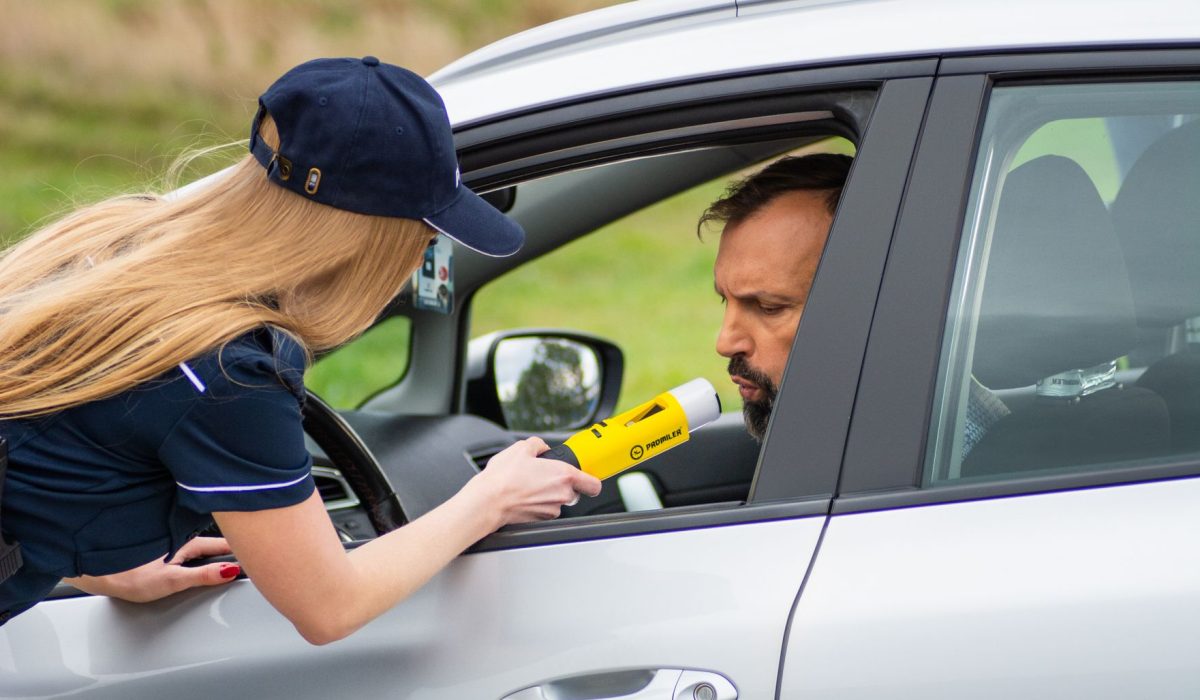
Facing a DUI charge can be stressful, especially when the case appears to rely on breath tests, blood tests, field sobriety exercises, or an officer’s observations. An experienced DUI defense attorney can examine how each piece of evidence was collected and determine whether it is accurate, reliable, and legally admissible. A DUI charge does not automatically mean that every piece of evidence presented by the prosecution is accurate or that it can be used without question.
Understanding the Evidence in a DUI Case
DUI cases can involve several types of evidence. The prosecution may rely on the officer’s report, statements made during the traffic stop, field sobriety tests, breath test results, blood or urine testing, dash camera footage, and other records.
Each type of evidence has its own limitations. The circumstances surrounding the traffic stop, the testing process, and the handling of evidence can affect how much weight that evidence deserves.
The National Highway Traffic Safety Administration explains that law enforcement uses different types of alcohol measurement devices, including preliminary breath testing devices and evidential breath testing equipment. These devices serve different purposes, and the type of test used can affect how the result is treated. NHTSA’s information on alcohol measurement devices provides an overview of these testing methods.
Questioning the Traffic Stop
The first issue may be how the investigation began. Officers generally need a lawful reason to stop a vehicle. If the stop was not properly supported by the facts known to the officer at the time, the defense may challenge evidence collected afterward.
An attorney may review the officer’s stated reason for the stop, traffic camera footage, dash camera recordings, witness statements, and other available information.
For example, an officer may report that a vehicle was moving unusually or that the driver committed a traffic violation. Video footage could provide additional context about what actually happened. A complete review of the events before the arrest can reveal differences between the written report and other available evidence.
Challenging Field Sobriety Tests
Field sobriety tests are commonly used during DUI investigations. They can include the horizontal gaze nystagmus test, walk-and-turn test, and one-leg-stand test.
The National Highway Traffic Safety Administration identifies these three tests as the standardized field sobriety test battery.
However, performance on these exercises can be affected by factors other than alcohol impairment. Weather, footwear, road conditions, poor lighting, uneven surfaces, injuries, physical limitations, nervousness, and instructions from the officer may all be relevant.
A defense attorney may review whether the tests were properly administered and whether the officer followed the required procedures. The attorney may also examine whether the officer accurately described the person’s performance.
A person who has trouble balancing does not necessarily have an alcohol-related impairment. That is why the circumstances surrounding the test matter.
Examining Breath Test Results
Breath testing can be important evidence in a DUI prosecution, but the number shown on a breath test is not necessarily the end of the inquiry.
The defense may examine the device used, its maintenance history, calibration records, testing procedures, and the circumstances surrounding the test. The timing of the test can also matter.
NHTSA distinguishes between preliminary breath testing devices and evidential breath testing devices. Preliminary devices are generally used during an investigation, while evidential devices may produce results intended for use in court.
Other questions may include whether the officer followed the required testing procedure, whether the device was functioning properly, and whether the person had consumed anything shortly before the test that could affect the reading.
These questions do not automatically make a breath test unreliable. They show why the test should be examined in context rather than treated as unquestionable proof.
Examining Blood and Urine Testing
Blood and urine tests can also become important in DUI cases. These tests require careful collection, identification, storage, transportation, and analysis.
A defense attorney may review the chain of custody to determine whether the sample was properly handled from collection through laboratory testing. Missing records, unexplained gaps, labeling problems, or other inconsistencies may raise questions about the reliability of the result.
Laboratory procedures can also be reviewed. This may include the testing method, laboratory records, equipment maintenance, analyst qualifications, and quality control procedures.
The goal is not simply to dispute a number. It is to determine whether the testing process supports the conclusion being presented in court.
Questioning the Officer’s Observations
Officer observations often play a major role in DUI cases. Reports may describe slurred speech, bloodshot eyes, an odor of alcohol, confusion, poor coordination, or other behavior.
These observations can be relevant, but they should be considered alongside the surrounding circumstances.
For example, nervousness during a traffic stop can affect how a person speaks or behaves. Fatigue, illness, medication, stress, or other factors may also affect appearance or coordination.
A defense attorney may compare the officer’s written report with body camera footage, dash camera footage, witness statements, and other records. Differences between these sources may become important when evaluating the strength of the prosecution’s case.
Reviewing Statements Made During the Investigation
Statements made during a traffic stop or arrest can also become evidence. The circumstances under which a statement was obtained may therefore matter.
An attorney can review what questions were asked, what answers were given, when the statements were made, and whether the person’s rights were properly addressed.
Video or audio recordings can be especially useful because they may provide a direct record of the interaction rather than relying only on a later written report.
Challenging the Chain of Evidence
Evidence must be properly documented and handled. This is particularly important when physical samples or testing equipment are involved.
The defense may examine records showing who collected a sample, who transported it, where it was stored, and who tested it. The purpose is to determine whether the evidence presented in court can be reliably connected to the person charged.
A problem in the chain of custody does not automatically end a DUI case. However, depending on the circumstances and applicable law, it may provide a basis for challenging the evidence or questioning its reliability.
Why Evidence Review Matters
A DUI case is built from individual pieces of evidence. The traffic stop, field sobriety tests, chemical testing, officer observations, statements, and laboratory records all contribute to the prosecution’s argument.
A careful defense focuses on how those pieces were collected and whether they accurately support the charge.
The National Institute on Alcohol Abuse and Alcoholism explains that blood alcohol concentration can be affected by factors such as how much and how quickly a person drinks, along with alcohol absorption, distribution, and metabolism. This is one reason why the timing and circumstances surrounding alcohol testing can be important when reviewing a DUI case.
Building a Careful DUI Defense
Challenging DUI evidence is not about disputing every fact without reason. It involves examining whether the evidence was collected properly, whether testing procedures were followed, and whether the conclusions drawn from that evidence are supported by the available records.
An attorney may investigate the traffic stop, review video footage, examine testing records, evaluate field sobriety procedures, and identify inconsistencies in the prosecution’s evidence.
For anyone facing a DUI charge, understanding how the evidence was obtained can be an important part of understanding the case. A detailed review can help identify the legal and factual issues that may affect how the evidence is treated in court.



1 Comments